

Property Management Blog
8 Tips for Getting Your Property Ready to Rent
You may be asking yourself – How do I prepare my unit for new occupants? With our experience in managing properties, we know the importance of getting your property ready for new tenants after every turnover. Focus on what’s critical – making the unit attractive and habitable. In most cases, minor repairs and thorough cleaning […]
You may be asking yourself – How do I prepare my unit for new occupants?
With our experience in managing properties, we know the importance of getting your property ready for new tenants after every turnover.
Focus on what’s critical – making the unit attractive and habitable. In most cases, minor repairs and thorough cleaning are all that’s needed. Other times, you may require larger renovations.
In the following paragraphs, we’ll cover all the essential tips for getting your Grand Prairie, Alberta property ready to rent.
#1: Check the appliances
Turnovers are the perfect time to check whether all the appliances work as needed.
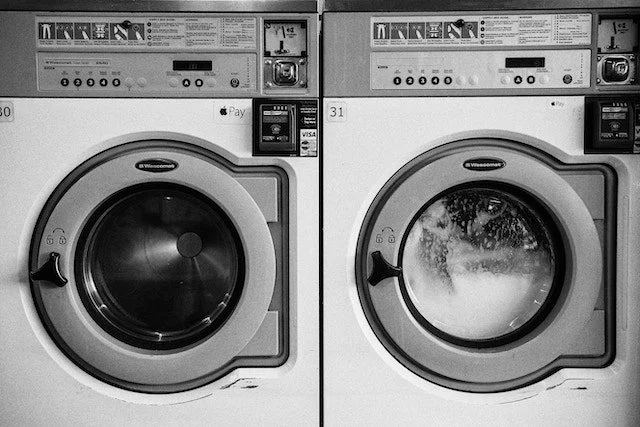
Sometimes tenants won’t tell the landlord that an insignificant appliance has stopped working and simply discontinue using it. Here’s what you could do:
See if the water heater works properly
Check all the individual kitchen appliances; test different modes and settings
Remove dust from the air vents and ensure they aren’t blocked
Ask the previous tenants whether they faced any minor issues with an appliance
Put a load of garments in the washing machine and place them in the dryer afterward
Determine if all the remote controls in the home have enough battery power to work well
When you notice appliance damage, you should repair or replace accordingly.
#2: Inspect the property for mold
Mildew isn’t only an aesthetic issue; it can harm your health. Any mold growth can discourage many prospective tenants. Check the suspect places such as:
Fixtures and tiles in the bathroom
Laundry room surfaces
Closets
Any other places that are poorly ventilated and accumulate dust or moisture
Did you find any mold?
Hire a mold remediator company in serious cases to lower the risk of regrowth.
#3: Raise the curb appeal
First impressions matter. That’s why it’s vital to improve the property’s curb appeal. Take a look at how you can create a wonderful impression.
Wash all the dust, dirt, and mildew off the outside of your property. You can do it by yourself or use professional cleaning services. The latter is more expensive, but they will complete the work much faster.
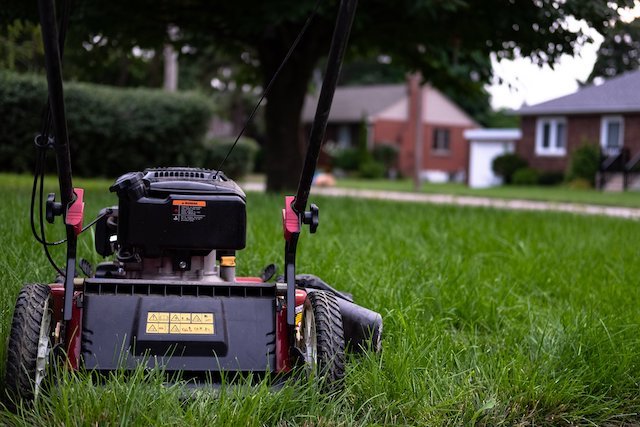
Take care of the basics like cleaning the gutters, mowing the lawn, and trimming any trees and shrubs.
Check the condition of the roof and replace any curled or missing shingles. Also, you could get a roof cleaning service. This removes the algae, lichens, and moss built up over the years.
Inspect everything that wears out over time and make the necessary repairs. For example, reseal the fractured asphalt, replace cracked windows, and reattach sagging gutters.
#4: Ensure the HVAC system works properly
Inspect the HVAC system to make sure it’s running properly. Check for damage, accumulated dust, and sluggishness. Furthermore, get the HVAC system examined on a regular basis.
Solve all HVAC issues before signing a new rental agreement. In case of a sudden heatwave or blizzard, a working HVAC system is a key portion of meeting habitability standards.
#5: Buff the floors
Clean floors raise the appeal of your rental property. Regardless of having a laminate, hardwood, or tile flooring, you’ll benefit from getting it buffed. Instantly, the interior looks more attractive when the floors are extra shiny.
#6: Clean, deodorize, and disinfect the unit
You should clean the entire unit after every turnover. Focus on typically problematic areas, such as bathrooms and kitchens. Your new tenants want a sparkling clean space without surprises left by the former occupants.
Disinfect all the bathroom and kitchen surfaces
Vacuum or steam clean the carpets

Use detergent against hardened grease in the kitchen
Deodorize the unit to give it a fresh aroma
Fumigate the rental space if there have been issues with pests
Remove cob and spider webs, both inside and outdoors
#7: Assess the lighting situation
Confirm there are no issues with lighting. People get easily annoyed if lamps or other lighting fixtures stop working.
Are there any broken light bulbs? Replace these without delay
Wipe the light covers to remove dirt and debris
Opt for sustainable bulbs that reduce electricity costs and need infrequent replacement
Repair or replace all damaged and broken lighting fixtures
#8: Inspect and clean the windows
Natural light is similarly essential. Thoroughly clean the windows to let more light enter the unit. All the accrued dirt and grime darkens the glass or plastic window surface significantly.
If the window screens are unsuitable, replace them before scheduling any showings. While you’re already working the windows, try taking the blinds or curtains down. Scrub the blinds or machine wash the curtains otherwise, have them cleaned by professionals.
When people come to view your property, make sure there’s enough light in the rooms. Open all the curtains and turn on every light in the unit. During the darker season of the year, you could light some candles to make this space look brighter and cozier.
The bottom line: getting your property ready to rent
The period between having renters is ideally as close to the minimum as possible. There are many things you can do to reduce the amount of time your Grand Prairie rental property is vacant.
The most important is to make the unit attractive and habitable. In addition to essentials like cleaning and mold inspection, you could buff the floors, boost the curb appeal and check all the appliances. Following the listed tips raises the likelihood of quickly leasing your unoccupied units.
If any of this seems daunting to you, consider hiring a professional property management company in Alberta.
15 Top Questions to Ask Your Property Manager
As a real estate investor in Grand Prairie, you want to find the best property manager to manage your rental property. Nonetheless, this process demands a lot of attention to detail, research, experience, and intuition. Finding the most suitable property manager involves having a screening process that is thorough and asks all the right questions. […]
As a real estate investor in Grand Prairie, you want to find the best property manager to manage your rental property. Nonetheless, this process demands a lot of attention to detail, research, experience, and intuition.
Finding the most suitable property manager involves having a screening process that is thorough and asks all the right questions.
With our experience in property management, we were able to come up with a list of 15 questions to ask prospective Alberta property managers before hiring them:
1. Are you insured?
An insurance cover is always crucial because it means that you can get reparation in case something happens to your investment.
2. What happens if I pull out of our contract?
Before getting into any kind of contract, it’s always recommended to fully understand your options. Make sure you agree and are comfortable with the terms of the contract.
That way, in case you aren’t satisfied with the property manager, you’ll know what you have to do to get yourself out of the contract without incurring extra expenses.
3. How do you determine the rent prices?
Lower rent prices lead to losses while high prices lead to vacancies. That’s why the rent price has to be just right.

What decisive factors does the company use to determine the best price for your rentals?
An experienced property manager knows how and what to do in order to come up with an adequate and profitable rent amount.
4. How do you collect rent from renters and how much?
One of the biggest conveniences that come with hiring a property manager is rent collection. That’s because collecting rent from tenants can sometimes be time-consuming and frustrating.
For this reason, knowing how the property manager collects rent will help you determine how efficient, safe, and convenient their method is for you and the tenants.
5. What price points does your company offer?
Do they charge a flat fee or just a percentage of the rental income?
Knowing that each option has its own set of advantages and disadvantages under different circumstances, it would be good to know which option they charge. This way you can choose a company that has a favorable pricing option that works for you.
6. Are there any miscellaneous fees?
To properly and efficiently manage a rental property, there are a lot of necessities that have to be met. That’s why, in some cases, property managers may charge fees for extra services. These extra services may include evictions, vacant units, maintenance, tenant placement, and so on.
Consequently, you should go through the contract to understand and learn about these fees and to make sure that they’re fair and acceptable to you.
7. How does your lease renewal rate compare to turnovers?
A clear indicator that the company is competent is a low turnover or high lease renewal rate. This demonstrates that the tenants are happy with the services they are receiving and are generally pleased with living in the property.
8. How many of your rentals are often vacant and how long do your rental units stay vacant? What’s the average tenancy period?
The vacancy rate needs to be low.
Any amount of time shorter than two weeks may signify that the company is charging a smaller rent amount. This means that you won’t be getting the most out of your investment.
On the other hand, if the vacancy period exceeds for more than a month, it could mean that the property manager is charging too high of a rental fee. It could also mean that they are having trouble marketing your property or the state of your property is turning off prospective tenants.
9. If you fail to collect rent for my property in a month, or if it is vacant, do I still pay you a management fee?
Be wary of companies who collect a fee from you even when they were unsuccessful in collecting your rent.

There are other options of companies that don’t charge a fee when rent is not collected. They should only get paid if you get paid.
10. How do you market vacant rental units?
Today, there are a lot of ways to market your Grand Prairie rental unit. The method, efficiency, and relevance of each marketing strategy greatly determine how many potential tenants it will reach.
Look to hire property managers who have the experience and skills in running successful marketing campaigns.
11. How thorough is your tenant screening process?
Finding great quality tenants can be tricky. Growing your investment starts with having high-quality tenants, which involves having a thorough screening process.
How does the company vet potential tenants?
What do they look for in a tenant?
How thorough is their background check?
Knowing how the company screens its tenants is one of the most important things to know about them.
12. How familiar are you with the Federal Fair Housing Laws?
When it comes to housing laws, discrimination is a serious offense.

It’s important to ensure that your prospective property manager is knowledgeable about these laws.
13. How long do evictions take?
Generally, if an eviction takes place there are several procedures that you need to follow before it can actually happen.
Look for property managers who try to settle the situation in the most professional and quick way possible.
14. How frequently do you evict tenants?
A property manager’s ability to find good tenants is signified by a low number of evictions. However, the opposite is also true. A high eviction rate signifies that the manager likely doesn’t know how to properly screen tenants.
15. How will you keep me updated?
Keeping tabs on your property’s growth or progress is vital. For that reason, you have to make sure that the manager has an efficient and reliable way of updating you with your investment’s status when you need them.
These are just a few of the most important questions to ask a Grand Prairie rental property manager before hiring them. Look at what your needs are as a landlord. This will help you to narrow down your search in order to find the best and most suitable property manager for you and your rental property.
5 Step Guide to Effective Tenant Screening in Grande Prairie, Alberta
It is every landlord’s dream to select tenants who are responsible, respectful, understanding, and pay their rent on time. To have the highest chance of selecting these renters, a thorough tenant screening should be done. This is one of the most important things that you can do to preserve and protect your investment. Many […]
It is every landlord’s dream to select tenants who are responsible, respectful, understanding, and pay their rent on time.
To have the highest chance of selecting these renters, a thorough tenant screening should be done. This is one of the most important things that you can do to preserve and protect your investment. Many landlords choose to rely on tenant screening services to access detailed tenant background information and credit history.
To avoid problems down the line, it’s essential to screen tenants carefully before signing any lease agreements. Using professional services or working with experienced property managers can help you efficiently screen tenants and identify potential red flags early in the process. By taking the time to screen tenants properly, you increase your chances of securing reliable, responsible renters.
Finding good occupants is never easy. In the following article, you will learn about ways to effectively conduct tenant screening to increase your chances of landing great tenants in Grand Prairie.
What is tenant screening?
An application form can only tell you so much. It can also be easily falsified. That’s why it’s important that proper tenant screening is conducted.
Tenant screening goes more in-depth into the tenants’ background and verifies the information that they have given you. This means going through their credit and employment history, as well as any criminal background to choose the best applicant for your property.
Below is a comprehensive five-step guide on how to find the best tenants for your rental units:
Step 1: Planning and Marketing
Planning is the first step. You need to consider the kind of tenant that you want and incorporate these qualities into your rental listing and advertisements.
You will have to be specific to attract the right kind of applicants. Do note that these qualifications must meet the Fair Housing Laws.
There are a few factors that you can look out for to eliminate applicants. Pay attention to the following:
Criminal record

Rental and payment history
Employment and job stability
Lifestyle
After you have identified what you want in a tenant, you will need to plan for your marketing. Whatever type of platform you are using, this will help you pre-screen your applicants.
Your ad should be clear and directly to the point. You may want to consider putting in the general location, the price, your pet policies, and other policies as well as any other details.
This will help you in screening-out those are who not qualified to rent your property.
Step 2: The Interview and Viewing
The next step would be to interview the potential tenants.
The first form of communication would be a phone call. Most would call to ask if it is still available and for more details. Take advantage of this opportunity by asking them a list of prepared questions. Remember to provide objective information about the unit, your general rental guidelines, and encourage them to visit the property.
These are some questions you may want to ask:
Are you currently renting, and if so, where?
Why do you want to move?
Will you be living alone or with other people? (If with other people, how many?)
Do you have a pet?
Have you been evicted before?
Would you agree to a credit and full background check?
Do you have references from your employer or former landlord?
Do you have any questions? What questions do you have for me?
An over-the-phone interview is vital but a decision shouldn’t be made from it. The next steps would be to invite the potential client to a face-to-face interview, following a rental viewing.
Take advantage of this by asking a new set of questions like:
What do you do for a living?
How long was your last tenancy?
When would you like to move in?
Do you – or someone you live with (if any) – smoke?
Is there anything I should know about before running a deep background check on you?
Have you ever been bankrupt?

What can you say about the rental unit?
Are you comfortable paying a $[amount] security deposit and the application fee?
Do you have any questions?
If you feel that you are satisfied with their responses and are sure that they were honest, polite and cooperative, the next step would be to have them fill out a rental application.
Step 3: Provide a tenancy application form.
When taking on a new tenant, you should always use a comprehensive tenancy application form. Each adult in the property should have a completed application form for your records.
The best way to collect the most important information about your prospects is through a rental application form. This form is a very important starting point for any property leasing. The application has information about a potential tenant and provides sufficient information to do detailed screening checks, including a brief interview, reference checks, and reviewing a credit report.
One of the most critical parts of this process is obtaining a credit report to evaluate the applicant’s financial responsibility and history of paying bills on time.
In the form, you can ask for details such as:
Employment information
Residential history
General details such as criminal records, past financial issues like bankruptcy, conflicts with former landlords and the reason behind them, and pet information.
Lifestyle description, for example, do they smoke?
Step 4: Background Check and Tenants’ References
To confirm the information the prospective tenant has declared, a background check is essential—typically summarized in a tenant screening reports.
This process is important and has many benefits, as it helps you verify, validate, and even uncover what the applicant may have failed to mention in interviews and in the application form. A thorough tenant screening reports can reveal crucial details such as a credit report, eviction records, and criminal background.
You should contact the tenant’s employer to learn more about their character and employment history. Ask questions to determine whether or not the renter is responsible, hardworking, clean, honest, and trustworthy. This also validates whether the information the renter provided about their employment was true.
Next, you should also contact former landlords to determine whether or not they speak highly of the tenant. This also makes it easy for you to understand what kind of tenant-landlord relationship to expect from the applicant.
Now that you have run all your prospects through this screening process from Step 1, and reviewed each tenant screening reports carefully, you’ll have cut down to an even shorter list of good quality renters. All that remains is to choose the best one from the final list.
Step 5: Final Decision and Lease Signing
This is the final step where you get to decide on who you will accept as your renter. Rightfully so, the one you should choose should be the one with the most merits. However, as you accept or reject tenants, you need to do so with the Fair Housing Laws in mind.

This means that you shouldn’t discriminate tenants by rejecting their applications due to their nationality, handicap, familial status, sexual orientation, gender, religion, age, political ideology, or race. Doing so may land you in a serious lawsuit.
Bottom Line
In summary, having a thorough tenant screening that includes a detailed review of the tenant background isn’t all that complicated. By carefully checking the tenant background through references and reports, you can make informed decisions. All you need is time, patience, and knowledge on how to effectively run the process for your Grand Prairie, Alberta properties, ensuring each tenant’s background is properly vetted.
Tips for Buying an Investment Property in Grande Prairie, Alberta
Thanks to increased activity in the local oil and gas industry, the housing market in Grand Prairie was strong for 2018. According to the Canadian Mortgage and Housing Corporation (CMHC), resales were up 19% for Grand Prairie from the month of January to November 2018. Meanwhile, resales were down 6.4% for the rest of Alberta. […]
Thanks to increased activity in the local oil and gas industry, the housing market in Grand Prairie was strong for 2018.
According to the Canadian Mortgage and Housing Corporation (CMHC), resales were up 19% for Grand Prairie from the month of January to November 2018. Meanwhile, resales were down 6.4% for the rest of Alberta.
“Economy-wise, the increasing growth in the housing market is as a direct result of the natural gas industry,” said CMHC’s regional economist – Lai Sing Louie.
The price of the average house increased by 4.2% for Grand Prairie while reducing by 2.7% for the province through the most part of 2018.
“Home prices have firmed up and are much stronger than even those of stronger centers,” Louie said. Calgary, for instance, is down by about 5% and Edmonton is down by about 1.4%.
The vacancy rates in Grand Prairie also continue to drop. While the vacancy rate was 4.9% in 2017, it reduced to 3.6% in 2018. This trend is expected to continue even in 2019.
Rents are on an upward trajectory. Louie noted that the average price of rent increased by 10.9 % in 2018. So, supposing the price of rent for a two-bedroom apartment was $1,012 in 2017. It, therefore, means that landlords pocketed about $1,122 in rent in 2018 for the same apartment.
The data points to one thing: the real estate market in Grand Prairie, Alberta is hot right now. This is one of the many reasons investing in Grand Prairie is a great idea.
4 Tips for Buying an Investment Property in Grand Prairie, AB
There is no denying the fact that real estate has produced some of the world’s wealthiest people. As such, it makes sense as to why so many people are attracted to the world of real estate investing.

That said, real estate investing isn’t a guaranteed windfall and this is something that beginners often forget.
To be successful as a real estate investor due diligence is key. Due diligence essentially means doing your homework for the property prior to actually making the purchase. The following are some tips to help you in this regard:
Tip #1: Find the right location.
Any successful real estate investor will tell you this is vital. Location is everything when it comes to real estate investing. It can make all the difference between purchasing a money making machine and a money pit.
What makes a location “right”? When picking a rental property location, look for the following things:
A neighborhood that has low crime rates. Safety is one of the topmost priorities for quality tenants.
A neighborhood with a decent school district. If your target renter is a parent with school-going kids, make this a priority.
An area with low property taxes. Property taxes are an expense. And the higher the property tax, the less income there will be left for you.
An area with a growing job market. Jobs attract people. And the more the people there are, the bigger the tenant pool.
A neighborhood with lots of amenities. Good examples of amenities include movie theatres, restaurants, malls and parks.
Tip #2: Calculate your operating expenses.
Operating expenses are part and parcel of running any business and the rental business in Grand Prairie isn’t an exception.
When running a rental business, common operating expenses include mortgage payments, property taxes, repair and maintenance, and property management costs.

Generally speaking, the operating expenses on your new property will likely fall between 35% and 80% of your gross rental income.
Suppose you charge $1,500 for rent in a month and it takes $600 to run the business. Your operating expenses add up to 40%. As a general rule of thumb, expect to pay 50% in total operational expenses.
Tip #3: Buy a turn-key property.
Are you skilled at large-scale home improvements? Or, do you have a contractor who does quality work on the cheap? If so, then it’d probably be a wise choice to choose a fixer-upper.
If you answered ‘no’ to any of the above, it may be in your best interest to just buy a turn-key property.
While it may cost more, a turn-key or a move-in ready home requires little, if any work. It means you can begin advertising your property to prospective tenants right away and if you’re lucky, start collecting rent from the very first month.
Tip #4: Calculate your rate of return.
At the end of the day, if you are like most investors, your goal is to make money from your investment. It’s no wonder many investors find themselves asking – what is a good return on investment for rental properties?
There are various formulas for calculating the rate of return of a rental property. In this example, we are just going to stick with the capitalization rate or cap rate:
Suppose you purchased an investment property and paid $100,000 in cash. You also paid $10,000 in closing and remodeling costs. This now brings the total investment in the property $110,000 ($100,000 + $10,000).
Assume you charge $800 in rent every month. This means that assuming the tenant doesn’t vacate, you’ll earn $9,600 ($800 x 12 months) in rental income that year. Let’s also suppose that operational costs for that year cost you $2,000.
In such a case, it would mean that your net annual return would be $7,600 ($9,600 – $2,000).
To calculate your investment’s rate of return using the cap rate, you would need to divide your annual return by the total cost of the investment and then multiply the result by one hundred. ($7,600/$110,000) x 100% = 6.9%.
The result, 6.9%, would then be your property’s rate of return.
These are the four main tips for buying an investment property in Grand Prairie. Always do due diligence before diving in with hundreds of thousands of dollars. Luckily, this article will help you get started in this regard.
Key Items You Should Include in Your Alberta Lease Agreement
As every successful landlord in Grande Prairie, Alberta will tell you, having an iron-clad lease or rental agreement is key to your rental business. A lease agreement, also known as a rental contract, sets out the rules that both you and your tenant must follow. Now, there are certain terms that your lease should include […]
As every successful landlord in Grande Prairie, Alberta will tell you, having an iron-clad lease or rental agreement is key to your rental business. A lease agreement, also known as a rental contract, sets out the rules that both you and your tenant must follow.
Now, there are certain terms that your lease should include in order to serve its purpose effectively. For example, in terms of rent rules, your lease should be clear on details like the rent amount, and where and when it’s due.
Your agreement should also be clear on things like pet rules, the lease term, names of tenants, occupancy limits, and on repairs and maintenance.
The benefit of having such a lease is that it’ll help you minimize the chance of any misunderstanding during a lease term.
So, in this article, we’ll take a look at some of the key items you should include in your Alberta lease agreement.
Item #1: Lease Term
A lease term, usually expressed in terms of months or years, is the period of time in which the terms of the lease are legally enforceable.
There are two types of leases: a periodic tenancy, and a fixed-term tenancy. A periodic tenancy does not specify an actual end date. The tenant is free to continue living in the property until either the landlord or tenant provides a written notice to end it.
There are different kinds of periodic tenancies: the weekly periodic tenancy and the monthly periodic tenancy. In a weekly periodic tenancy, a lessee agrees to rent week-to-week and pay rent on a weekly basis. Similarly, in a monthly periodic tenancy, a lessee agrees to rent month-to-month and pay rent on a monthly basis.
A fixed-term lease, on the other hand, means that the tenant agrees to rent the premises for a fixed time period. A tenant, for instance, may agree to rent the unit for a period of 6 months or one year. Once this term ends, it’ll then be assumed that the tenant will move out or renew the lease.
Whichever option you decide, your Alberta agreement must clearly state what type of lease you are offering.
Item #2: Names of Tenants
While it may sound rather obvious, some landlords fail to include the names of all adult renters residing in their property.
Including the names of all tenants (minus children) in the Alberta lease makes each one of them legally responsible for all terms of the lease. This means that you can ask rent from any of them should one tenant skip paying rent. It also means they are all responsible for following the rental rules.

Item #3: Occupancy Limits
Your lease must specify that only rental applicants that have been screened, approved and signed the lease are allowed to reside on your property. By including this clause, you will have full control over who is staying in your unit.
Do you allow subletting in your Grande Prairie Alberta rental property? If you do, then you need to mention this. Make sure the renter knows that in order for them to sublet the rental they must ask for your permission first.
This ensures that all the people living in your property are qualified to live there. That is, they have passed the entire screening process.
It also means that you can evict anyone who lives in your property without your permission.
Item #4: Security Deposits
If you are an experienced property investor, then you know that security deposits are often a source of conflict between a landlord and a tenant.
Generally, landlords require renters to return the property in the same condition as they found it. If they don’t, the landlord may have a right to deduct the appropriate costs from their security deposit.
In some cases, though, the renter and landlord may not agree on the costs. If all other conflict resolution methods fail, the issue may eventually end up in a small claims court.

So, how do you avoid any confusion? Well, by being clear on several things:
The security deposit amount. When setting this amount, make sure that you stay compliant to the Alberta security deposit limit law.
How the security deposit is going to be stored and returned.
Any non-refundable fees you may have. For example, for pets or for cleaning.
The conditions that a tenant must meet for it to be returned.
Item #5: Rent Rules
Don’t assume it, make sure your Alberta lease agreement also mentions the dollar amount of rent. It goes without saying that the amount you set for rent should coincide with the value of your property.
Make sure your rental contract states:
The amount of rent. The right amount is key to running a successful rental business in Grand Prairie, Alberta. It will attract the right tenant to your rental property and help you earn maximum profits.
Forms of payments accepted. Providing a variety of payment methods makes rent payment easy for tenants. Good examples include online payments, direct deposit, credit cards, and money order.
The due date. Usually, the rent due date is the first day of the month. You should also indicate if you offer a grace period, and how long it runs.
You should also state what happens when a tenant fails to pay on time. Will there be a late rent fee. If so, how much will the fee be?
Item #6: Utilities
Be clear on who is responsible for what in terms of utilities. Common utilities in rental properties include electric, water, gas, sewer, and garbage. These utilities are crucial as they allow your rental property to meet Alberta habitability laws.

The following table gives a summary on how most landlords in Grand Prairie handle utilities.
Utility
Electricity (Paid by: Depends)
Security and Alarm System (Paid by: Tenant)
Internet and Cable (Paid by: Tenant)
Water and Sewer (Paid by: Landlord)
Trash Collection (Paid by: Landlord)
Natural Gas (Paid by: Depends)
Item #7: Pet Rules
There are usually two types of landlords: those that allow pets and those that don’t.
If you allow pets, then it’s important that you let your tenants know about any restrictions you may have. Note things like the type of pets you allow, the maximum size and breed. If you don’t allow pets, then make sure your Alberta agreement clearly states the “no pet” clause.
These are the key items you should include in your Alberta lease agreement. These should help set you out on the right path to generating maximum return on your investment.