

Property Management Blog
Things To Do in Grande Prairie
With an estimated population of 63,166 people, Grande Prairie is the 7th most populated city in Alberta. The city is located 460 kilometers Northwest of Edmonton. Established in 1951, Grande Prairie was Alberta’s first County. There are various ways to reach to Grande Prairie. If driving, you can take Highway 43. This highway is fully […]
With an estimated population of 63,166 people, Grande Prairie is the 7th most populated city in Alberta. The city is located 460 kilometers Northwest of Edmonton. Established in 1951, Grande Prairie was Alberta’s first County.
There are various ways to reach to Grande Prairie. If driving, you can take Highway 43. This highway is fully paved and is almost completely four-laned. Alternatively, you can also take the Alaska Highway.
If you’re looking to fly, there’s an airport right in the city, the Grande Prairie Regional Airport. The airport receives flights from Fort St. John, Calgary, and Edmonton and has connections to the rest of Canada and the U.S.
Grande Prairie is undoubtedly a great place to buy investment property, visit or live.
This city has a lot to offer. Whether you love nature, art, festivals, shopping or wildlife, you’ll find something to do in Grande Prairie.
With that in mind, here are the 6 best things to do in Grande Prairie, Alberta.
1. Annual Festivals
Grande Prairie hosts a number of festivals every year. Perhaps the most notable one is the Annual Fiddlers’ Jamboree. The festival was first held in 1987 in the kitchen of the Grand Prairie Museum. The festival provides fiddlers and fiddling enthusiasts an opportunity to come together and celebrate music and diversity.
Another festival to look forward to is the Bear Creek Folk Festival. Hosted annually on Borstad Hill in Muskoseepi Park, the Bear creek Festival features 4 stages with over 30 provincial, national, and international touring artists. Whether you like rock, gospel, blues, country, contemporary or traditional folk, the festival has got you covered.
You also don’t want to miss out on the Maple Sugar Festival. Enjoy delicious maple taffy, door prizes, horse drawn wagon rides, and plenty of entertainment and activities.

2. Amusement Parks
Are you looking to have a fun and entertaining day with your friends and family? Grande Prairie’s amusement parks are the perfect way to enjoy a fun day out.
The first option is the Grande Prairie Regional College Climbing Gym. Known as the GPRC, this amusement facility features over 3,500 sq. ft. of climbable space. The diverse terrain ensures that there are challenges for people of all ages and abilities.
Another option you have is the Jump Yard. The Jump Yard is a 20,000 sq. ft. indoor trampoline park featuring super hoops, a trampoline dodge ball, a massive foam pit, and wall-to-wall trampolines.
You can also enjoy one of the best, immersive, interactive escape games at the Trapped Escape Room. Participants have 45 minutes to escape a room by solving codes, riddles, clues and more. Whether young or old, there are a variety of rooms suitable for all ages.
3. Museums
Grande Prairie is home to many museums and galleries. One such museum is the Grant Berg Gallery. It is the region’s premier commercial art gallery, representing roughly 35 artists. Collections include photography, jewelry, carvings and paintings.
Grande Prairie Museum is another museum you can consider. It’s set in the picturesque Muskoseepi Park in Grande Prairie and depicts the region’s history. It was originally opened to the public in 1971 and is open year-round.
Other options to consider include Philip J. Currie Dinosaur Museum, Center 2000, Center for Creative Arts, Heritage Discovery Center, and Art Gallery of Grand Prairie.

4. Nature & Outdoors
Whether you prefer mountain biking and summer hiking or snowshoeing and cross-country skiing, Grande Prairie is the right place for you.
You can begin your adventure at the Muskoseepi Park. Muskoseepi Park is a hidden gem near the downtown of Grande Prairie. The 100-acre park features 6 distinct areas offering different options for patrons of Muskoseepi Park.
Here, you can enjoy more than a dozen kilometers of paved trails perfect for hiking and biking. The park is also home to several events, including the Bear Creek Folk Festival.
Besides Muskoseepi Park, there is also the Saskatoon Island Provincial Park. Located just 15 minutes west of Grand Prairie, Saskatoon Island Provincial Park is an island of forests and wetlands in a sea of farmland.
The 100-hectare provincial park is surrounded by water – bordered by Little Lake on the south shore and Saskatoon Lake on the north shore. You can enjoy bird watching, picnics, and summer camping.
Other outdoor places to visit include Nitehawk Recreation Area, O’Brien Provincial Park, The Historic Heritage Village, and Grande Prairie Skateboard Park.
5. Shopping
Grande Prairie is a shopper’s paradise. It’s often referred to as the “Shopping Capital of the North.”
The downtown area is home to more than 400 retailers, large and small. Some of the top retailers include Forbes & Friends Flair Boutique, Four Corners Tea, the Farmers’ Market, Walmart, Best Buy, Staples, Future Shop and Costco.
You can also find Grande Prairie Premium Outlets in the city.
6. Camping & Accommodations
Grande Prairie offers many options when it comes to camping and accommodations. There are plenty of full-service bed and breakfasts, hotels and motels and more than fifty camping grounds available for visitors.

From the very basic to full-service facilities, you can be sure to find something to suit your needs. Basic amenities include water taps, electricity, coin laundry, phone, heated showers, and indoor washrooms.
Generally, camping fees are paid by self-registration (cheque or cash). You may also be able to make your reservation online for Historic Dunvegan Provincial parks, Young’s Point, and Saskatoon Island.
Bottom Line
Clearly, Grande Prairie is a hidden gem! There is no shortage of things to do and see in this city. So, whether you’re planning on buying investment property, planning a vacation or living in Grande Prairie, you will have no trouble staying entertained by all the city has to offer.
For further inquiries, contact Sutton Property Management.
Should I Allow Tenants to Paint my Rental Property?
No two tenants are alike. While some may be very particular, others may not really care about property aesthetics at all. If you spend a while renting out your property, you’re sure to eventually wind up with tenants who want to have their say in the appearance of their unit. Every tenant deserves a unit […]
No two tenants are alike. While some may be very particular, others may not really care about property aesthetics at all. If you spend a while renting out your property, you’re sure to eventually wind up with tenants who want to have their say in the appearance of their unit.
Every tenant deserves a unit that is clean and well-maintained, but there’s a difference between maintenance and decorating. Tenants may request quite a bit of freedom to make changes and redecorate the rental unit, which may include repainting the space.
So what should you do? Should you permit this or not?
When you’re trying to retain long-term tenants, how you handle a situation like this will be significant. You’ll likely want to contribute to the joy and happiness of your tenant by saying yes. On the other hand, you’ll likely feel hesitant about the unintentional damage that could result. There are no shortage of issues that can emerge from an improper paint job.
Of course, it depends on your own preferences and taste as well. Are you very particular about the design and look of your units? This could make the decision to surrender a bit of control harder for you.
There are plenty of pros and cons of allowing or not allowing a tenant to paint your rental property. It all depends on your flexibility as a landlord. This article will present possible positive and the negative outcomes of this decision.
Pros of Allowing a Tenant to Paint the Unit
1. The Tenant Will Be Happy
It’s important in the rental property business to strive to keep tenants happy. Landlords put a lot of effort into finding good tenants, but an equally important task is to hold onto good tenants once you have them.
While your main objective may be to keep your property vacancies at a minimum, it’s the renters themselves who can ensure that by sticking around. If you give a tenant flexibility in redecorating the unit and repainting it, you’ll provide feelings of freedom and happiness.
2. The Tenant May Be More Likely to Renew
If you allow the renter to redecorate or repaint the unit, they may be inspired to stay longer. They will likely feel an extension of ownership over the space, and will be happy to come home to the rental unit everyday.

It’s important for all of us to leave a mark of our individuality on their world. Making an impact on surroundings may make us more likely to want to stay where we are.
3. Encouraging a Sense of Home
With an opportunity to affect the aesthetics of their surroundings, renters may feel a sense of ease and comfort afterwards. After personalizing their home, renters will likely stay longer. After all, looking for other rental units takes considerable effort. It’s not every day that renters are permitted to make personal changes to reflect their own sensibilities.
Cons in Allowing a Tenant to Paint the Unit
Huge Time and Labor Allocation
If your tenants come and go, repainting your rental unit back to its original shade can be tiresome. Painting the interior of a unit can take up a huge amount of time, and it’s especially difficult to have maintenance done during a global pandemic.
For example, say you have a new prospect who wants to move in right away. They wouldn’t be able to do so if you needed to allot time for a repainting session to be done. If this new prospect was reliant on a speedy move-in, you could miss out on a reliable renter.
2. Maintenance Can Be Costly
Giving permission for tenants to paint the unit can have a great financial impact. If you want a professional job to be done, you’ll need to hire a professional painter. If the tenant plans to shoulder the expenses, it can be difficult to have control over the quality of the paint finish.

Your tenant might decide to perform the work on their own. The prospect of a poorly done job introduces a world of other potential stresses.
3. Possibility of a Huge Mess
Painting professionals exist for a reason. Painting properly is tough, and the mess of a bad paint job can affect the look of your rental property. There’s no shortage of potential problems that can arise after a substandard paint job. For just one example, a sub-par job could damage your flooring and furnishings.
Designing Detailed Conditions in the Agreement
Now that you’re aware of the pros and cons of permitting a tenant to repaint, are you still keen on giving the go-ahead signal? Or are you hesitant to acquiesce to the request? You can always choose a third option if you don’t want to respond with a definite yes or no.
Your third option would be to design detailed conditions in the lease. You can permit the tenant to change the colour of the rental property with provisions. This would limit the tenant’s control in redecorating the rental space, while also providing a sense of freedom at the same time.

Here are some questions to address in the leasing agreement:
Should the tenant or landlord pay for the painting materials and labor?
Should the tenant repaint the unit back to the original shade upon moving out?
What’s the required length of stay for the tenant to be permitted to alter the unit by repainting?
Are there limits to a painting palette, or can the tenant choose any colour they desire?
Being clear on your expectations will greatly reduce any misunderstandings. The tenant’s task is to meet the conditions. As long as the tenant follows the agreement, there shouldn’t be any problems.
Making an Inventory
Since there will be changes to the appearance of your unit, it’s advisable to make an inventory. This way, you can easily compare the past and present property conditions.
When you ask the tenant to revert the painting colour back to the original upon the lease’s end, it will be quicker. Not having an inventory may result in stressful arguments. As much as possible, we aim for peace of mind as landlords.
Bottom Line
So, should you allow your tenants to paint your rental property? There’s no hard and fast rule to this. You can opt to make the renters happy, but then you’ll have to be ready for the drawbacks. After all, maybe you’ve had to have your unit painted already as one of the steps to get your unit ready for the rental market.
If you want to be more flexible but protect yourself at the same time, a good compromise solution is to give a conditional permission.
If you need professional property management to handle your property, contact Sutton Property Management at (780) 532-4900 or visit the website at https://suttonpm.com.
How to Attract Long-Term Tenants
As a landlord, consistent cash flow is key to running a successful rental investment. One that’s successful is only possible if you can rent to long-term tenants. However, attracting long-term tenants is perhaps the most difficult part of that equation. That said, it isn’t exactly rocket science. In this blog post, we share 8 tips […]
As a landlord, consistent cash flow is key to running a successful rental investment. One that’s successful is only possible if you can rent to long-term tenants. However, attracting long-term tenants is perhaps the most difficult part of that equation.
That said, it isn’t exactly rocket science. In this blog post, we share 8 tips with you on how you can land such tenants and enjoy a good, consistent income for many years to come.
Tip #1: Know what kind of tenant you want.
Before beginning the marketing process, make sure you know what kind of tenant you want. The goal of doing this is to help you create a rental ad that narrows the decision down to a particular group of prospective tenants.
This thought process will not only help improve your chances of landing the perfect tenant but will also help save time on tenants that don’t meet your qualifying standards.
Tip #2: Write a compelling listing.
Today, an increasing number of tenants are searching for their next apartment online. Rental listing sites provide tenants with a smorgasbord of options based on their search criteria. Therefore, to stand out from the competition, you need to write a compelling listing.
The following are a couple of things to keep in mind when doing so:
Make it short and sweet. You’re not writing a novel.
Include as many pictures of the property as possible.
Make sure to highlight the best features of the property.
Make it clear that your screening process includes checking their credit and criminal histories.
If you’re flexible towards tenants painting or decorating the unit, it can be good to mention this, because it can be a major selling point for some.
You also want to make sure that your ad is free from any kind of discriminatory statements. Examples of such statements include:
Men preferred
No wheelchairs or service dogs allowed
Heavily Jewish area
No children allowed
Hispanic area
No blacks allowed

As a general rule of thumb, avoid statements that touch on the 7 federally protected classes. The protected classes are sex, familial status, race, national origin, disability, religion and color.
Tip #3: Screen all prospective tenants.
If you want to up your chances of landing a long-term tenant, you need to have a thorough tenant screening process in place. The goal of screening tenants is to help filter out the bad ones from the good.
When screening tenants, the following are a couple of things to be in the lookout for:
Their income. Only consider renting to tenants that earn a sufficient income that will enable them to pay rent without any issues.
Rental history. Only rent to tenants that have clean rental backgrounds. In other words, avoid tenants that have prior evictions.
Credit Rating. Only rent to financially responsible tenants. Consider those that have a credit rating of at least 700.
Additionally, just like the rental ad, you want to make sure that your screening process is free from any form of discrimination.
Tip #4: Offer them a warm welcome.
Tenants are usually anxious to live in a new place. As such, make yourself friendly and try to establish yourself as the go-to contact in regards to any questions your tenant may have about the neighborhood.
To start on the right foot, consider giving them a welcome gift of sorts. It doesn’t have to cost you an arm and a leg, but offering them a gift can go a long way in showing them that you do indeed care.

Examples of some inexpensive things to give your tenants include a map of the area, cleaning supplies, baked goods, coffee beans and a gift card or a coupon towards a local favorite.
Tip #5: Stay on top of maintenance issues.
If you want to attract and retain a long-term tenant, then you need to have an attractive property that is well-maintained. You can ensure this by doing the following:
Inspect the unit for problems regularly. Ideally, you want to do it when the tenant is first moving in, when seasons change, when driving by and when they eventually move out.
espond to maintenance requests promptly. Nothing frustrates a tenant more than a landlord who ignores their maintenance requests. It’s not only a surefire way to lose a good tenant, but that can also potentially land you in legal hot water.
Tip #6: Work on your communication skills.
Landlording is a service industry. Your tenants are your customers, and solid communication skills are critical in retaining them.
As such, make sure you have open lines of communication to make sure tenants can easily get a hold of you whenever they want help.
To make it easy and convenient for your tenants, make sure to ask them what their preferred mode of communication is. According to a study done in 2017, millennials prefer communicating through text messaging and through online apps, while baby boomers prefer it in person or via telephone.
Tip #7: Include friends and family in your marketing efforts.
When starting, your close friends and family can make a difference. Word-of-mouth marketing is known to be an effective marketing strategy. A study found that up to 84% of consumers believe word-of-mouth recommendations from friends and family than any other form of marketing.

Besides using friends and family, you may also consider using existing tenants. Of course, you’ll need to have maintained a good relationship with them for this to work.
Offering some incentives can also go a long way in boosting its effectiveness.
Tip #8: Respect your tenant’s right to privacy.
This is a big one!
Even as the landlord, you cannot barge in on your tenant without them knowing. Regardless of the reason, you are required to provide your tenants with a notice before entering their units, even when just saying ‘hi’.
If you must access their rented unit for whatever purpose other than to respond to an emergency, always inform them beforehand. Agree on a date that is convenient for both of you, and try your best to follow through with it.
There you have it–8 tips on how to attract and retain long-term tenants. If you find this work daunting, consider hiring a professional property management company. Sutton Group has more than 4 years of property management experience in the Grand Prairie, Alberta area.
How to Convert Your Home Into a Rental Property
Are you considering converting your home into a rental? Rental property ownership comes with many financial perks. You may positively impact your financial stability and personal wealth for years to come. But here’s the thing: you don’t have to necessarily buy a rental property. When you already have a home, you can convert […]
Are you considering converting your home into a rental?
Rental property ownership comes with many financial perks. You may positively impact your financial stability and personal wealth for years to come. But here’s the thing: you don’t have to necessarily buy a rental property.
When you already have a home, you can convert a part of your home into a rental unit. If you have a second residence, you can convert your entire living arrangement into a rental property.
However, as with any other life change that involves personal finance and real estate, you should do plenty of homework beforehand. Now, we are going to list the top tips for creating a rental property out of your current residence.
Are you ready to become a landlord?
An important question to consider is this: are you ready for the landlord duties? At first glance, being a landlord may not seem to amount to more than rent collection and answering a phone call now and then.
In reality, things are different. You need to be prepared for a variety of duties. These include tenant screening, advertising, solving legal matters and conducting regular maintenance.
The way things turn out depends on your tenants as well. It’s no secret that some renters demand more time than others. You may have a solid tenant screening process, but that doesn’t mean you will find perfect tenants every time.
While becoming a landlord will positively affect your financial side of things, there are inherent risks as well. For instance, you may have to deal with sudden emergency repairs or upkeep needs. This brings us to the next point.
Would you consider professional property management?
Professional property management companies have entire teams who will take care of your every management need. For a fixed fee, you can forget about any landlord’s responsibilities that you’d otherwise have.

Consider this option, as reputable companies will care for your rental property as if it were their own. They will nurture and grow your rental investment. Even if you didn’t buy the property while keeping a rental in mind, converting your home into one can still be considered an investment.
What is the mortgage situation?
Do you currently hold a mortgage for a primary residence? The lower down payments and interest rates are satisfactory. However, the lenders do expect you to reside in that property full-time.
You need to check the terms of your mortgage agreement. There can be considerable differences between lenders. In most cases, lenders require you to use your property as a primary residence for at least 1-2 years.
It’s crucial not to violate these rules. While it’s true that it may be hard to find out, if and when the bank does learn about an occupancy clause violation, serious trouble will follow. In the worst case, you could be charged with mortgage fraud.
Do you have the right insurance?
Standard home insurance won’t be valid once you have renters coming into your home. Before you have new tenants entering the property, you should have already obtained landlord insurance.
Getting landlord insurance is vital. Without this, your home won’t have any coverage. Standard landlord insurance should cover your property’s structures, upkeep equipment and most outbuildings.
Check that your insurance covers at least minimum personal injury and accidents on your property. Also, check for what the various add-ons are for your insurance plan. When your rental is located in a storm-prone area, it pays to get that covered too.

When you are shopping for your landlord insurance, check with multiple providers. Get as many quotes as you can. You might find an especially good deal that has the same terms compared to the more expensive providers.
Have you thought about the rent charge yet?
Rental income is likely to be the number one motivator in most conversions from a home into a full-blown rental property. This, however, comes with the challenge of determining the right rent amount.
When you are trying to find the right price, it’s important to factor in all of your costs. In addition to mortgage payments, you should budget for repairs and maintenance. There is always something to fix, which is why you need to budget accordingly.
It’s possible to have a healthy profit on top of your regular expenses. Finding the sweet spot between overcharging and undercharging may not always be that easy. You need to conduct some market research to learn more about what rent amount would work in your favor.
What are the ground rules?
You need to start thinking about your rental rules as well. Since the property has been your primary residence, you may have some unwritten rules in place. However, this is the time to establish these rules as actual clauses in your lease agreement.
All the rules that truly matter to you should be incorporated into the lease document. The lease permits officially enforcing these principles. There could be real consequences to your tenants breaking the rules.
Weekly maintenance tasks and garbage removal are some of the top things to spell out in your agreement. Make sure to outline who is exactly responsible for what. For instance, you have to decide whether simple landscaping is the responsibility of the tenant or the landlord.

Another important point to consider is pets. So many households in the U.S. have pets, which means that there are financial benefits to allowing pets in your rental property. You must decide whether you ban certain dog breeds or exotic animals.
In a Nutshell: Converting Your Home into a Rental
Starting a rental business in your home could be a great idea. However, as with any other venture involving financial investments, you should take care to learn as much about rental management as you can. Research and knowledge will help you create a rental property success story.
Essential Tips for First-Time Landlords
Are you planning to acquire your first rental property? Investing in rental properties can become a lucrative venture. However, as with any other investment, purchasing a rental property comes with a set of risks and challenges. You need to be aware of these potential obstacles and threats to have any chance of deterring them. Every […]
Are you planning to acquire your first rental property?
Investing in rental properties can become a lucrative venture. However, as with any other investment, purchasing a rental property comes with a set of risks and challenges. You need to be aware of these potential obstacles and threats to have any chance of deterring them.
Every landlord has to deal with numerous tasks. Before you buy a rental property, you need to understand how big of a commitment self-managing can be. Setting realistic expectations is essential in this regard.
The following is a list of tips that will help you become a better landlord. Taking the first steps is always hard, but the potential rewards are well worth the initial difficulties.
#1: Focus on Lease Agreements
The lease agreement you draft is going to play a major role in governing the legal relationship with your tenants. Put time and effort into making your lease agreements strong in terms of protecting your interests as a landlord.
Every lease agreement should cover as much ground as possible. Don’t be afraid of putting too many details. This is only going to help you in case there are any issues or disputes.
Here are some of the aspects that every lease agreement should cover:
What is the monthly rent due? When should the payments be finalized?
What are the rent payment methods?
Do you have a pet-friendly rental? Are there any special rules regarding cats and dogs?
What is the smoking policy?
Do you exercise late payment fees?
What are your responsibilities?
What are your tenants’ responsibilities?

You can also use the lease agreement to add any clauses regarding evictions. However, you need to be certain that these eviction rules are legal.
#2: Find the Right Rental Price
You need to determine the correct monthly rent amount for your property. Both overcharging and undercharging are serious issues. When you overcharge your tenants, you’ll face a higher tenant turnover rate, making it harder for you to find new renters.
When you undercharge your renters, you’ll leave money on the table that could otherwise be a part of your monthly income stream. As you can see, neither situation is ideal. Finding that balance between the two extremes is a real challenge.
The right price isn’t found intuitively. You have to conduct actual research and crunch the numbers a bit to find the correct price. It’s necessary to compare similar rental properties in the same area to help determine the approximate price that the market is ready to pay for your rental.
#3: Familiarize Yourself with the Laws & Regulations
Rental property ownership means that you are subject to laws and regulations on many different levels. The key here is to have a basic understanding of all the crucial legal principles related to the role of a landlord.
These are the main topics that you should learn about:
Landlord’s rights and responsibilities
Tenant’s rights and responsibilities
Rent payments and late fees
Security deposits
Landlord’s entry
Move-in, move-out, drive-by, and other inspections
When you feel that some of these situations or concepts are beyond your understanding, it’s important to consult with a legal expert. These are not matters that should be taken lightly.
#4: Get Tenants in Your Rental
Tenant placement is a major task that every first-time landlord needs to deal with. When your rental units are empty, you still have to pay for all the running expenses. That’s why it’s important to fill your property at the earliest opportunity.
Nevertheless, acquiring tenants shouldn’t come at the expense of their quality. You still need to have renters who pay on time, respect the rules and won’t damage your rental property.
The key is proper tenant screening. This is the only way you can minimize the risk of having problem tenants in your rental units.
Check the applicants’ criminal histories, credit situation and employment status. Ask for references whenever possible.
If you want to make your screening easier, ask your applicants to fill out questionnaires. Collecting these applications allows you to get a good overview of the people who are interested in tenancy.
Organizing property showings is a way for you to get to know potential tenants as well. Make sure to have all the paperwork ready for the interested applicants. For instance, they might want to take a look at past utility bills or remodeling projects.
#5: Consider Professional Property Management
Self-managing landlords feel a lot of pressure. Some tasks and duties demand a lot of time. When you aren’t sure if you have enough time and energy to manage your rental property, it’s wise to consider professional property management services.
Hiring a reputable company leads to less stress and fewer worries. You can stop thinking about upkeep needs, legal issues, tenant screening, rental marketing and all the other aspects of rental management.

Experienced property managers will take the best care of your property. They will use their skills and knowledge to grow your investment. Moreover, these professionals will keep your best interest in mind at all times.
The Bottom Line: Tips for First-Time Landlords
Becoming a landlord unlocks the potential of boosting your monthly income. While many people dream of passive income, it’s clear that first-time landlords need to put in the extra hours to learn and gain experience.
Start by doing plenty of research regarding rental property management. Learn about the legal aspects, efficient marketing techniques and the key principles of correct rental pricing.
Evicting a Tenant in Alberta
When a tenant in Alberta signs a lease, they become bound by its terms for an allotted period of time. Among other key aspects of the lease agreement, the tenant pledges to: Pay rent when it’s due. Not cause excessive property damage. Take care of the property by ensuring it’s clean and sanitary. Not do […]
When a tenant in Alberta signs a lease, they become bound by its terms for an allotted period of time. Among other key aspects of the lease agreement, the tenant pledges to:
Pay rent when it’s due.
Not cause excessive property damage.
Take care of the property by ensuring it’s clean and sanitary.
Not do any illegal activities within the premises.
Not interfere with the rights of the landlord and any fellow tenants.
If a tenant fails to do any of these things, as a landlord, you have a right to end their tenancy. It’s difficult, especially if you’re a first-time landlord, but sometimes necessary. The Alberta landlord-tenant law is clear on the process that must be followed when evicting tenants.
The Eviction Process in Alberta
To evict a tenant in Alberta, you’ll first need to have a legal cause such as those aforementioned. You cannot evict a tenant just because you dislike them, for instance. Next, you must notify the tenant in writing.
Serving Your Alberta Tenant a Notice to Vacate
The 14-Days’ Eviction Notice
You can send this notice to a tenant that causes repeated lease violations. For example, disturbing the peace and quiet of other tenants by hosting large, noisy parties.
The 14-days’ eviction notice essentially gives the tenant 14 days to move out of the property. The tenant, unlike in the case of nonpayment of rent, has no other option but to move out during that period of time.
The tenant has 14 days to leave the property. For example, if you serve it to your tenant on the 5th of August, then the notice will become effective on 20th August and they must have moved out by then. The first day doesn’t count as that is the date that you are notifying your tenant.

The following are the conditions that the notice must meet. It must:
Be in writing.
Indicate the property’s address.
Have the landlord’s signature.
Indicate the reason for the lease termination.
State when the lease will come to an end.
Show the rent amount owed, if any.
Indicate how much rent the tenant will owe for the notice period.
If you are terminating the lease for non-payment of rent, then you must also state that the lease will not be terminated if the tenant pays the rent owed within the notice period.
Tenant’s Objection to the 14-Days’ Eviction Notice
Your tenant has the right to object to a 14-days eviction notice. They must write an objection notice and state in the notice their reasons for doing so. They must then send it to you as their landlord before the fourteen days of the eviction notice are over.
If they fail to do so within the fourteen days, they forfeit their right to an objection and will have to move out.
Your tenant must send the objection notice through either of two options. One, by sending it through certified or registered mail. Or two, by taking it to you or your agent in person. If, however, either of those two options doesn’t work, then your tenant has an option to send the notice electronically.
Among the various lease violations tenants can object to, they cannot object to eviction due to non-payment of rent. The only option they have in the case of unpaid rent is to pay the rent owed.

The fourteen days’ eviction notice becomes null and void once a landlord receives the objection notice. Upon receiving the objection notice, you can do two things as a landlord.
One, you may choose to do nothing and let your tenant continue living in their property. Or two, you may continue with the eviction process by applying to either the Provincial Civil Court or the Residential Tenancy Dispute Resolution Service.
If you choose to fight your tenant’s objection, you will then have to send new documents to the tenant.
The 24-Hours’ Notice to Terminate a Lease
You can serve your tenant this type of notice for three reasons. These reasons are if the tenant has caused significant damage to the property, if they have assaulted you, or if they have threatened to assault you or another tenant.
Just like the 14-days’ notice, the 24 hours’ notice to terminate a lease must meet certain conditions. It must:
Be in writing.
Have the property’s address on it.
Contain your signature.
State the reason for the termination.
State when the lease will come to an end.
Unlike the 14-days’ notice, a tenant cannot object to 24 hours’ notice. If a tenant doesn’t leave within 24 hours, then you will need to seek the court’s help to have them removed within 10 days.
If you do not apply for the court order within the 10 days, they forfeit their right to remove your tenant from the property.
Preparation & Documentation during the Eviction Process
Whether you choose to go to court or the Residential Tenancy Dispute Resolution Service, it’s important to be prepared. Gather as much evidence as possible to help back up your claims. That should include:

A copy of the lease agreement
Copies of any correspondence between you and your tenant
Copies of the eviction notices and/or written notices
Failure to have the proper preparation and documentation is where most landlords stumble and see their evictions delayed or even rejected. You should begin collecting your documentation should before you even consider evicting your tenant.
Keep all records, whether they are emails, texts, exchanges on social media, registered mails, or even letters you may have slipped under their door. Where you spoke with your tenant on the phone, try as much as possible to recap the details and have the conversation in writing.
Doing this helps you create a clear record that you did everything possible to resolve the situation with your tenant.
In the instance of excessive property damage from a tenant, make sure you have pictures of both before and after the repairs. In addition, keep all records of any costs you incurred repairing the damages.
What You Shouldn’t Do When Evicting a Tenant in Alberta
If you want the eviction to succeed, then the following are some of the things to avoid.
Entering the unit illegally or without reasonable cause.
Failing to uphold your obligations as a landlord to your tenant.
Cutting power or heating to your tenant’s unit.
Removing any of your tenant’s belongings from the property.
Threatening your tenant in any way.
Blocking your tenant from accessing the property by changing the locks or other.
If you have specific questions, you should hire the services of a qualified Alberta attorney. Alternatively, seek help from a professional property management company like Sutton Property Management. For the tribunal side of the process, see our 2026 guide to filing an RTDRS application in Alberta.

Disclaimer: This blog shouldn’t be used as a substitute for legal advice from a licensed attorney in Alberta. Laws change frequently, and this blog might not be up-to-date by the time of your reading. Do contact us for any questions you might have in regards to this content.
How to Handle Maintenance During COVID-19
Are you curious on how to respond to maintenance requests during the COVID-19 crisis? Rental property owners and managers have also been affected by the current pandemic. As a landlord, you may be wondering how to handle maintenance tasks and requests in the current times. What used to be regular duties could now raise justified […]t
Are you curious on how to respond to maintenance requests during the COVID-19 crisis?
Rental property owners and managers have also been affected by the current pandemic. As a landlord, you may be wondering how to handle maintenance tasks and requests in the current times. What used to be regular duties could now raise justified concerns.
Regardless of the responsibilities you are facing, proper safety measures need to be taken at all times. You have to make sure that you protect yourself and the tenants from the coronavirus.
A major concern for many landlords is dealing with maintenance requests in the middle of a pandemic. There are many questions that must be addressed during this time:
What kind of supplies do you need?
How do you communicate with your tenants?
What are the safety precautions for conducting maintenance?
Is self-managing a good option right now?
Which other aspects need your attention during these critical times?
Now we are going to list practical suggestions for maintaining your rental properties during the COVID-19 pandemic. For the latest information on guidelines and important updates, refer to this prevalent website section by the Government of Canada.
The Starting Point: Quality Communication
Quality communication is a pillar of great property management. Be transparent, responsive and supportive at all times. During the COVID-19 pandemic, it’s especially important to reach out to your tenants. They want to know that essential services will still be provided and that you are ready to help in case of any issues.
Let your tenants know that you will adhere to all the safety rules. Make sure to focus on the fact that you’ll minimize the risks that come from entering their homes during the pandemic. Their health and well-being is your number one priority.
Sharing useful information with your renters is a good thing. However, always guarantee that the articles you find come from reputable sources. Unofficial websites may contain false information.

Focus only on these sources:
Practical information and guidelines from your province or city authorities.
Latest updates and directions from the Government of Canada and Public Health Authorities.
Your tenants may be worried about what to do in case of emergencies. Tell them that you will always respond to emergency repair and maintenance requests. The definition of a rental property emergency varies, but everyone should agree that incidents involving flooding and fires constitute an emergency.
This is also a good moment to assure your tenants that you are reachable and ready to address their concerns. Inform your renters that you will answer their emails and phone calls at your earliest convenience. They will appreciate your commitment to delivering quality communication during uncertain times.
Important Precautions for Safe Maintenance Procedures
Both routine and emergency maintenance efforts call for the use of enhanced precautions. Taking adequate measures and following the official guidelines is essential for stopping the increase in coronavirus infections.
Personal protective equipment forms the basis of you and your tenants’ safety. The principle of wearing necessary equipment should extend to anyone in your property management team. No exceptions can be made here.
Each new task and rental property demands a fresh pair of gloves. Study the procedure of donning and doffing your personal protective equipment (PPE).
Ensure that all staff are familiar with these protective principles. Noncompliance with this approach to changing your gloves may lead to cross-contamination.

Clean and disinfect your work areas. There is always a risk of missing some crucial components. Mitigate these risks by paying extra attention when sanitizing surfaces and professional appliances.
Washing hands is an essential safety measure. Use soap and warm water. Wash your hands for a minimum of 20 seconds. While it’s a simple protocol to follow, washing your hands properly makes a big difference. Remember that hand sanitizer should never be used in place of hand washing.
Supply Needs for Rental Property Maintenance
The demand for certain sanitary and safety products may outweigh the production capacity right now. Order your supplies before you discover that you have run out of any essential items. At the same time, order reasonably because everyone should have access to basic supplies, such as gloves and sanitizer gels.
Always have an extra box of gloves at your disposal. Gloves are critical for performing your maintenance duties.
You don’t need a mask unless you are infected, hold a justified concern about being infected or you are a caregiver. According to the governmental guidelines, you don’t need to have a mask as a non-infected person visiting your tenants to carry out maintenance.
Some maintenance requests could be accompanied by the lack of running water. That’s why you should have enough hand sanitizer supplies to stay safe when conducting maintenance.
Other Considerations During the COVID-19 Pandemic
Solving the current crisis rests on everyone making smart and considerate decisions. Weigh the risks of entering your tenant’s home before doing routine upkeep. Take all the basic precautions when responding to an emergency repair or maintenance request.
Consider the suspension of repairs that are not essential. Drawing the line between key repairs and fixes that can wait is up to you as a landlord and what you decided in the lease.
There are going to be times when you won’t need to do more than talk your tenant through the necessary steps. This is a great alternative to physically entering the property. Explain to a tenant in need how this approach reduces the spread of COVID-19 and potentially saves lives.

More people are working from home now. Be considerate about not making too much noise because the renter you are visiting may be working remotely. Let your entire team know that they should conduct fixes without disturbing the tenants.
Daytime service requests during this pandemic are likely to involve children in the premises because many of them stay at home. That means being especially careful with power tools and supplies that should be kept out of reach and sight of children.
People want to be kept reassured that you have their health and best interests in mind. Communicate the safety protocols that you have established in order to tackle the challenges unique to this pandemic.
Is Self-Managing Safe & Sustainable Right Now?
On a final note, consider hiring services from a reputable property management company. Self-managing involves a lot of responsibilities regardless, so the COVID-19 pandemic could become a breaking point for many landlords doing everything on their own.
Professionals are equipped with experience, skills, contacts and practical knowledge that make it easier to ensure safety and high service standards during the crisis. This option benefits both you and your tenants.
Consider an option that could provide safety for everyone involved while making your life easier as well. Working together with an established property management firm preserves the value of your rental investment and your tenants’ quality of life.
Breaking a Lease in Alberta
Each province has different laws when it comes to lease-breaking. This article tackles breaking a lease in Alberta, Canada, and more specifically, in Grande Prairie. While both landlords and tenants want to avoid exiting a lease early, certain situations occur that make this impossible. Sutton Group has gathered some important information for both tenants and […]
Each province has different laws when it comes to lease-breaking. This article tackles breaking a lease in Alberta, Canada, and more specifically, in Grande Prairie.
While both landlords and tenants want to avoid exiting a lease early, certain situations occur that make this impossible. Sutton Group has gathered some important information for both tenants and landlords alike.
It’s important to have a grasp on the landlord-tenant laws regarding leases if you have (or plan to purchase) a rental property investment in Grand Prairie.
Key Info on Breaking a Lease in Alberta
Grounds for Lease Termination
A tenant or landlord might find that they can’t hold their end of the leasing bargain.
You may find yourself asking: Can a tenant end a lease early? Or, if you’re a landlord, can an owner break a lease? The answer to both is yes.
Tenants may be wondering how to break a lease legally. Luckily for landlords, there are only very specific legal grounds for breaking a lease in Alberta:
Breached agreement: When either the landlord or tenant does not honour a lease, this can be a legal cause to terminate.
Tenant is moving: Some provinces don’t classify finding a new place to live as a justifiable cause for terminating a lease. But in Alberta, Canada, this is an acceptable reason for ending a tenancy.
Landlord terminates the lease: A landlord can decide to end the tenancy for a specific reason, so long as proper notice is given.

Fixed-Term Lease Termination
This one is easy, as the end of tenancy date is specifically agreed upon in the lease. There’s no need to provide a notice of termination of tenancy in this case. However, it’s courteous to provide a reminder to your tenant before the agreement expires.
Periodic-Term Lease Termination
Landlords retain the right to end a periodic tenancy. This can happen when a landlord or his relative wishes to live in the property.
Another reason would be if the landlord plans to sell the rental property, and the new owner will be moving in. In this case, the tenant cannot continue living in the rental unit. The new owner must also request the landlord to provide a written notice to the tenant for the end of tenancy.
In another situation, the renter would have to leave if the landlord wanted to convert the rental home into a non-residential unit.
If major renovations are in order and the rental unit needs to be vacated (for example, if the landlord is converting the property into a condo unit), then the tenant needs to be informed first.
A notice of ending a lease, in this case, should be given about a year in advance.
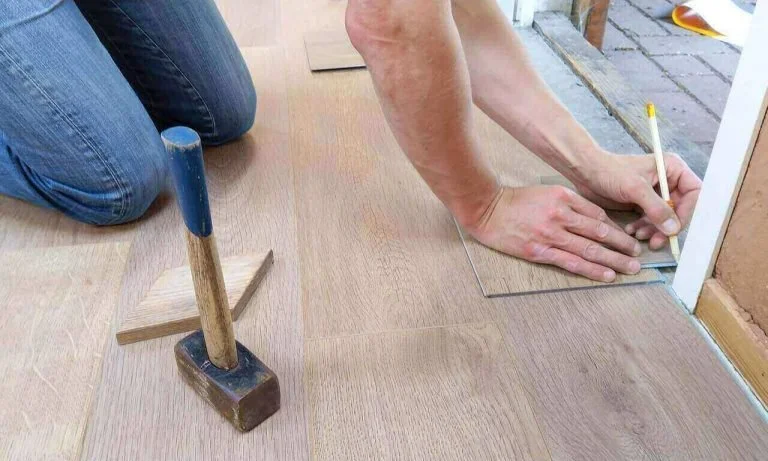
If the property job only entails repainting, changing the floor coverings or going through routine maintenance, this doesn’t fall in the ‘major renovations’ category. This is not considered a valid reason for breaking a lease in Alberta.
How to Break a Lease in Alberta
Fixed-Term Tenancy
As previously mentioned, there’s no required notice for a fixed-term tenancy, since the end date is already specified in the rental agreement. Continuing the lease after the end of the term is up to both the landlord and the tenant.
Periodic Tenancy
In contrast to a fixed-term tenancy, there must be a written notice provided by the landlord to the tenant (or vice-versa) if they wish to end the leasing agreement.
Here are details that must be included in the written notice to end tenancy:
The rental unit address must be stated.
The end of tenancy date must be clearly specified.
The notice must include the signature of either the landlord or tenant who provided the notice.
If you’re the landlord, you are required to outline the reasons why you wish to end the periodic lease.
Serving Period of a Notice to End Tenancy
What notice is required for terminating tenancy in Alberta? It depends on the party providing the notice. It also depends on the type of tenancy. Here are the periods to watch out for:
Week-to-week Tenancy
A notice of one week is considered adequate for both the tenant and the landlord.
Month-to-month Tenancy
If you’re the landlord, you’re required to provide 3 months’ notice to the tenant. A tenant only needs to provide a one month notice to end tenancy.

When to Serve a Notice
Notice for Ending a Week-to-week Tenancy
It’s required to give the notice on or before the first day of the weekly tenancy. The lease will then end on the last day of the week.
Notice for Ending a Month-to-month Tenancy
Tenants must give the notice on or before the first day of the monthly tenancy. After this, the lease will end on the last day of the month.
Landlords are required to give notice on or before the first day of the 3-month notice period.
On legal holidays, the due date will be moved to the following business day. For example, if the notice date occurs on September 7, that’s Labour Day. The due date is thus moved to September 8.
What Happens When A Rental Termination Notice Is Served Late?
You want to avoid serving a late rental termination notice when breaking a lease in Alberta.
If this happens, the effective date will also be moved. So, if you plan to sell your property or have your relatives use it, this will only happen at a later date.
Week-to-week Tenancy
If you serve the rental termination notice late to your tenant, then the lease end date will instead be on the last day of the following week.
Month-to-month Tenancy
This type of arrangement follows the same procedure as a week-to-week tenancy. If you serve the notice late to a tenant, then the end of tenancy date will be on the last day of the next month.

Serving the Move Out Notice
There are 2 ways to properly serve notice to end tenancy when breaking a lease in Alberta:
In person.
By registered mail. Tenants must use the mailing address given in the ‘notice of landlord’. As for landlords, they should use the mailing address of the rental property when sending an end of tenancy letter.
If the tenant cannot be found in the rental unit or if they’re displaying evasive behaviour, the landlord can opt to give the notice to another adult living with the tenant.
The landlord can also post the notice in a visible area of the rental premises to ensure that the tenant will not miss the information.
When giving a tenant notice to vacate cannot be done via the two methods above, it is possible to send the notice electronically. The recipient of the notice must be able to print a copy.
Tips to Prevent Tenant Damages to Your Rental Property
As a property owner, it makes sense that you always want your property to be in perfect condition, but that’s realistically impossible. When someone lives in a space, it’s inevitable that a reasonable wear and tear will occur. That said, at Sutton Property Management, we believe that there are smart methods that you can implement […]
As a property owner, it makes sense that you always want your property to be in perfect condition, but that’s realistically impossible. When someone lives in a space, it’s inevitable that a reasonable wear and tear will occur.
That said, at Sutton Property Management, we believe that there are smart methods that you can implement to prevent tenant-caused damages to your property.
Here are simple ways to better maintain your rental units:
1. Make sure your property is in topnotch condition.
If a tenant moves into a property that is in good condition, the tenant will be forced to adhere to that same standard, and to take good care of it. If your property looks disheveled, the tenant will not feel the need, or the motivation, to keep it in good condition. In their perspective, why should they care to maintain a property that they don’t own?

2. Conduct regular inspections.
As a property owner, if you exercise regular inspections, it shows the tenant that you are serious about prioritizing the maintenance and upkeep of your property. Also, consistently inspecting the property leads to positive outcomes. For instance, you can foresee any potential tenant damages to your rental unit. Then, you can take required action to ensure that it doesn’t further progress.
3. Ask for a security deposit.
Another way to help maintain your property is to charge a high security deposit. Security deposits enforce two things:
It reminds the tenants to maintain the property and keep it in good condition.
It serves as incentive. In order to secure the refund at the end of the tenancy, the tenant must keep the property in good condition. So, the tenant will be more cautious of treating the property well as he will want his deposit back.
4. Outline clear pet policies.
Although being a pet friendly rental widens your pool of prospective tenants, pets can cause damages. In order to prevent these damages, provide the tenant with a clear pet policy. In this policy, you can state which pets are acceptable, and which are not. Be specific by including pet sizes, breeds and amount of training required. Always ensure that the tenant is adhering to the pet policy. Agreements are useless if the tenant fails to follow the conditions.
5. Be thorough during tenant screening.
Tenant screening is a critical step that should not be overlooked. Be sure to screen the tenant thoroughly when assessing his background. During a tenant screening, you can look for the following:
Prior references from previous landlords
Any history of violence
Eviction records
Questionable behaviors that could potentially cause you undesired stress
By doing this step, you will get a better understanding of the tenant’s past. Oftentimes, a tenant’s past behavior can predict his future actions. This can help you prevent accepting tenant’s who will be more likely to cause damage to your property.

6. Check-in on long-term tenants.
Sometimes, when a tenant continues to renew the lease, property owners believe that they shouldn’t worry about inspections. However, the longer a tenant lives in your property, the more cautious you should be. The damage risk is higher in long-term tenants because they begin to become negligent. So, it is strongly recommended to continue exercising proper care and paying attention to the condition of your rental property.
7. Be selective with plants.
A well-maintained garden makes a property more attractive. However, when it comes to landscaping, you must be cautious of the type of plants you choose to have. For instance, some plants attract pests, which is not ideal. Also, certain plants require careful monitoring. For example, trees can absorb extra moisture and can create foundation problems. They can also cause major damage to roofs, gutters and windows. It is important to do your research before selecting the plants you decide to grow.
8. Engage professional cleaning services.
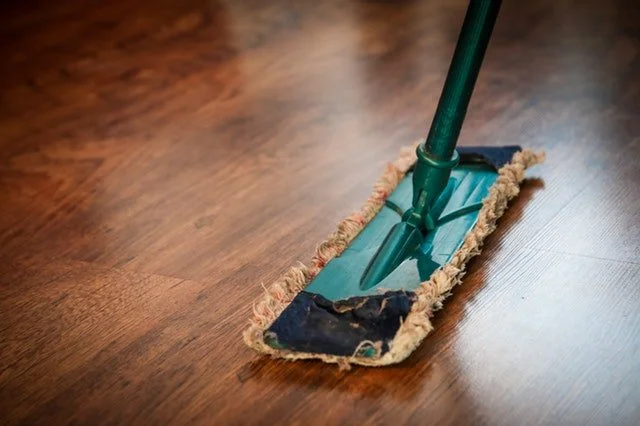
Hiring professional cleaners once or twice a year is a great idea. It will help keep your property maintained. Although cleaning costs can be pricey, they are worth it because they will thoroughly clean your property and protect it from damages and the usual wear and tear.
9. Encourage a strong landlord-tenant relationship.
Having a respectful relationship with the tenant is very important. This will allow you to feel comfortable communicating your expectations with the tenant in a clear and respectful manner. In return, the tenants should understand their duties and take good care of your property. Also, if there are any maintenance requests, they will have no worries communicating those with you. Addressing the requests early on results in lower expenses and prevents damages from escalating.
Conclusion
In the end, it’s important to communicate your standards with the tenant and set the example for them to follow. Consistent inspections also help track problems and ensure that you’re on top of any potential damages.
Choosing a quality tenants is also another option that can help you prevent property damages. Therefore, screen extensively. This will help you save money in the long run and keep you from having to go through an eviction process.
Lastly, to make your property more attractive and enhance its curb appeal, have great maintenance systems in place. You can never be too vigilant as your financial growth depends on how well you maintain your property.
Tips to Successfully Rent to Tenants with Pets
“Pets or no pets?” This is a question that many landlords in Alberta who are just starting out ask themselves. In Canada, a very large number of tenants own at least one pet. Additionally, the number keeps on rising year after year. In this article, Sutton Group will provide you with tips to make renting […]
“Pets or no pets?”
This is a question that many landlords in Alberta who are just starting out ask themselves. In Canada, a very large number of tenants own at least one pet. Additionally, the number keeps on rising year after year.
In this article, Sutton Group will provide you with tips to make renting to tenants with pets successful.
Benefits of Allowing Pets into Your Rental Property
Allowing pets into your property can provide you a number of benefits. First and foremost, it can help increase the demand for your rental. This is because of the sheer number of properties that allow pets.
Secondly, tenants with pets usually rent long-term. This is due to the fact that only a few properties allow pets. As such, tenants will likely stay longer as there aren’t as many options out there for them.
Thirdly, you may be able to attract responsible tenants. If someone is mature enough to care for their animal, there is a good chance they will accord the same respect to your property.
Things to Do If You Do Decide to Accept Pets
There are four important things that you should do if you want to be successful in renting to tenants with pets. You should:
Understand the different types of pets tenants may bring into your property. Common domesticated animals include cats, dogs, rabbits, guinea pigs, fish, birds, gerbils, hamsters, and small reptiles.
Decide which pets you will accept and mention that in your lease agreement.

Have clear rules in regard to which areas pets are allowed.
Remind the pet owners that they are responsible for caring for their pets and ensuring all their needs are taken care of.
Tips for Accepting Pets
Now that you are ready to accept pets into your property, the following are some things you should consider doing to make it a success:
Tip #1: Charge a higher rent.
Landlords can charge more rent if they allow pets. In fact, landlords who allowed tenants to keep pets earned an extra $222 a month on average as compared to landlords that didn’t allow them.
Landlords who didn’t mind large-breed dogs earned an extra $100 a month on average over those that had enforcement on weight restrictions.
Of course, the extra income will vary depending on an area’s demand and supply.
Tip #2: Consider charging a pet fee.
Many landlords that allow pets usually impose an extra fee on top of the usual security deposit. Such landlords reason that pets will usually add wear and tear to the unit. Before implementing such a policy, it’s important to understand a few important things first.
To begin with, landlords in Alberta are permitted to charge a non-refundable pet fee on top of the security deposit.

Secondly, the pet fee must be reasonable. That is, between the range of $200 and $300 per year.
Tip #3: Require proper vaccinations, licenses, and identification.
Ensure that your tenants know that their pets must wear proper identification tags, which should include proof of vaccinations.
Tip #4: Only allow pets that you have approved.
This is a mistake that many landlords usually tend to make. They allow pets but forget to screen them.
Before approving a certain type of pet, the following are some questions you could ask:
What type do you have?
How long have you had them?
Who will care for your pet when you go away on business or vacation?
May I contact your current landlord to discuss your pet further?
Did your pet cause damage at your current address? If so, how were the damages handled?
How do the animals get along with other people or animals?
Has the pet undergone any obedience training?
Has the animal been neutered or spayed?
Finally, tell your tenant that your approval is conditioned upon their continued compliance with the terms of the pet policy.
Tip #5: Provide a pet-friendly space.
There are some practical steps you can take to make your property as pet-friendly as possible. Here are some of them:
Opt for aluminum fittings instead of wooden ones
Ensure any water features are safe for pets
Remove carpeting and replace it with tiles

Add feeding stations and other pet-friendly amenities
Add pet-friendly finishing in your unit
Install pet-friendly floors
Tip #6: Inspect the property regularly.
Regular property inspections are key to running a successful rental property in Grande Prairie, especially if your tenant owns a pet.
Tip #7: Make common areas and units allergy-friendly.
The following are some tips to help you in this regard:
Always clean your air systems when a tenant vacates the unit.
Check and clean HVAC systems in areas that have high humidity to prevent mold growth.
Install ceramic, linoleum, or other flooring option that’s sealed and easy to clean.
Consider using acrylic paints or washable oil on the walls. Avoid absorbent materials like cork or wallpaper.
Make sure all holes in walls are sealed immediately behind the faceplate to prevent air leaking out.
The Bottom Line
Allowing pets in your Grande Prairie, Alberta rental property is a great way to minimize vacancies, as a lot of tenants own pets. Just ensure to protect your investment by having a great pet policy.