

Property Management Blog
The Benefits of Renting to Tenants with Pets
Considering the recent rise in pet ownership, deciding to accept pets on your property can significantly impact your income and expand the pool of potential tenants. Despite the widespread acceptance of pet ownership, many rental properties still forbid pets. Pet-owning tenants can bring benefits and risks to renting out your house. You need to consider […]
Considering the recent rise in pet ownership, deciding to accept pets on your property can significantly impact your income and expand the pool of potential tenants.
Despite the widespread acceptance of pet ownership, many rental properties still forbid pets. Pet-owning tenants can bring benefits and risks to renting out your house. You need to consider these and decide if having a pet-friendly rental is right for you.
If you, as a landlord, do allow renters with pets, you need to include a pet policy in your rental agreement. This blog offers points to consider when determining whether to allow tenants with pets in your rental property.
What Are the Benefits of Allowing Pets in Your Apartments?
1. Pet-Friendliness Results in Higher Rent
The cost of installing the facilities required for making your apartment pet-friendly will be higher, but you can make the difference by charging a slightly higher rent.
Renters are prepared to pay the fees because they want to keep their family intact; thus, landlords can also impose non-refundable pet fees.
Landlords may request a damage deposit to guarantee that the property is protected in the event of damage. They may also demand payment for pet damages.

Before making any modifications to your rental costs, it’s crucial to confirm that you abide by all applicable local and state legislation.
2. Loyalty of Tenants
Finding a property can be difficult for tenants with pets because not all places permit animals. The likelihood that a tenant will stay longer increases when they finally find a pet-friendly rental and move in.
They’re likely to renew their agreements unless there’s a strong reason not to. Because of this, if a renter appreciates your rental property and receives fair treatment, they’ll likely remain as a tenant for a very long time.
3. Enhanced Prospect Pool
Given the prevalence of pet ownership, it becomes sensible to predict that the number of animal owners looking for pet-friendly rentals will increase. You increase your prospects if you allow pet-owning tenants to rent from you. You can select more eligible renters when you have more options.
4. Apartments That Allow Pets Are Reliable
A complete pet restriction gives the impression that the landlord doesn’t trust the tenant or thinks they’ll damage the rental.
On the other hand, permitting pets shows that you have faith in your tenants and are confident in their ability to care for their animals. Renters will undoubtedly be pleased with a landlord who supports their way of life rather than one that places restrictions on it.
5. Responsible Tenants
Adopting a pet entails additional commitments. A well-organized tenant will schedule their pets’ veterinary appointments, feeding times, and outside activities. It takes a lot of responsibility and maturity to care for a pet. A mature and responsible tenant is the best kind of tenant for you.

You may be confident that a tenant will take good care of your rental property if they’re responsible enough to care for a pet. These tenants are most likely to abide by the regulations to avoid the possibility of being evicted, because they’re aware of how challenging it can be to find a rental home that allows pets.
6. Content Tenants
Pets can reduce stress and help with a person’s emotional wellbeing. By allowing tenants to have pets, you improve their quality of life on a personal level.
Additionally, happy tenants frequently stay a long time. Therefore, fostering a happy environment for a tenant will also make you happy as a landlord!
7. Fewer Vacant Rentals
Empty rental properties are a hassle. Without a source of income to cover the bills, you’ll need to estimate and plan for monthly maintenance needs. However, the likelihood of unoccupied rental space is reduced when renting to tenants with pets.
You won’t require using marketing tactics as frequently if your rental vacancy rate is lower. Allowing tenants’ pets to reside on the rental property makes it much simpler to find new tenants once a previous tenant vacates. You end up saving more money and time as a result of this.
Risks of Having a Pet-Friendly Rental
1. Experiencing Pet Odors
Pets can leave odors behind. Other tenants can object to the smell pets leave behind if your rentals have shared areas.

2. Risk of Causing Property Damage
Animals, particularly playful puppies and kittens, are most likely to cause damage. Scratches, damaged wires, and ruined furniture or flooring are all property damages that can occur if a tenant owns a pet.
3. Possible Noise Complaints
Animals can make noise and stir up a commotion. For example, you may experience complaints from your neighbors regarding a dog’s barking. If you own a complex of apartments, a tenant who resides below a unit might complain about animals roaming freely in the unit upstairs.
When housing pets, barking, shrieking, and meowing are expected. Conflict with neighbors and other tenants may occur as a result of this. It’s advisable to conduct pet screening and confirm with a prospective tenant if the pet tends to cause a lot of noise.
Conclusion
Examining all potential outcomes is necessary to become a pet-friendly rental. While there are risks involved with renting to tenants who have pets, excluding all pet-friendly options might also cost you in terms of optimizing your income.
Even though adding pet-friendly amenities may require more expenses, it’ll be worthwhile in the long run. Most tenants favor renting where they believe their landlords respect their demands and allow them the flexibility they require.
Additionally, landlords that allow pets in their rentals are more likely to raise the rent without facing resistance from the tenants. Property owners should provide the resources for making rental units pet-friendly, given the many advantages of doing so. By doing this, you can ensure that all your rentals are occupied throughout the year.
Have more questions about the pros and cons of pet-friendly rental properties? Contact the team at Sutton Property Management! We’ll sort out all your property management needs.
End of Tenancy Cleaning
An end-of-tenancy cleaning should be performed when your renters leave the rental property. The goal is to make sure the rental unit’s condition must be left exactly as it was when the tenant moved in. At Sutton Property Management, we believe an effective end-of-tenancy clean is imperative. This is why we have put together this […]
An end-of-tenancy cleaning should be performed when your renters leave the rental property. The goal is to make sure the rental unit’s condition must be left exactly as it was when the tenant moved in.
At Sutton Property Management, we believe an effective end-of-tenancy clean is imperative. This is why we have put together this guide to assist landlords and property owners to understand their rights and obligations regarding an end-of-tenancy clean.
Why Carry Out An End-of-Tenancy Clean?
The legislation governing end-of-tenancy cleaning and inspection is something that property owners should be aware of as some provinces permit it while others forbid it. But it is crucial that the landlord makes it clear in the lease agreement and discuss with the tenants whether it is permitted in their neighborhood.
Whether cleaning or replacing stained carpets or broken home accessories like taps, they must indicate what has to be cleaned and how. Tenants risk losing a portion of their deposit if a property is not returned in the same condition as it was found.
What Does an End-Of-Tenancy Clean Consist Of?
All surfaces must be properly cleaned, especially areas at ceiling level, and remove any cobwebs. Cleaning windows, doors, and handles in the kitchen and bathroom, as well as other flat surfaces and furniture like sideboards and tables, requires dusting and polishing.

Focus is needed when cleaning and disinfecting taps and fixtures. It’s also possible that mold and built-up lime scale will also need to be removed from showers, baths, and toilets.
Keep in mind other tasks like emptying and cleaning the trash cans, and making sure the outdoor areas are swept and tidy. Then determine whether you need to hire professional cleaners to do things like clean the windows, the entire carpet, or even the oven.
Can You Charge for End of Tenancy Cleaning?
Normally, a landlord has the right to charge their former renter for any cleaning required to restore the property to its original state before the tenant moves in. But the landlord is not permitted to add extra fees or deduct money from the security deposit to cover ordinary wear and tear.
Landlords should be able to differentiate between normal wear and tear and things like stains, unnatural rips, and burns so they may remove what is fair and reasonable from the tenant’s deposit.
The same is true of malicious damage, which is any intentional harm done by unruly tenants. But depending on the state of the home and the facilities inside, property owners may charge tenants for an end-of-tenancy cleaning.
Should I Hire a Professional Cleaner?
Some leases have a provision requesting professional cleaning at the end of the tenancy. Before you begin a thorough cleaning, you should review the leasing agreement to determine what you are legally required to provide.
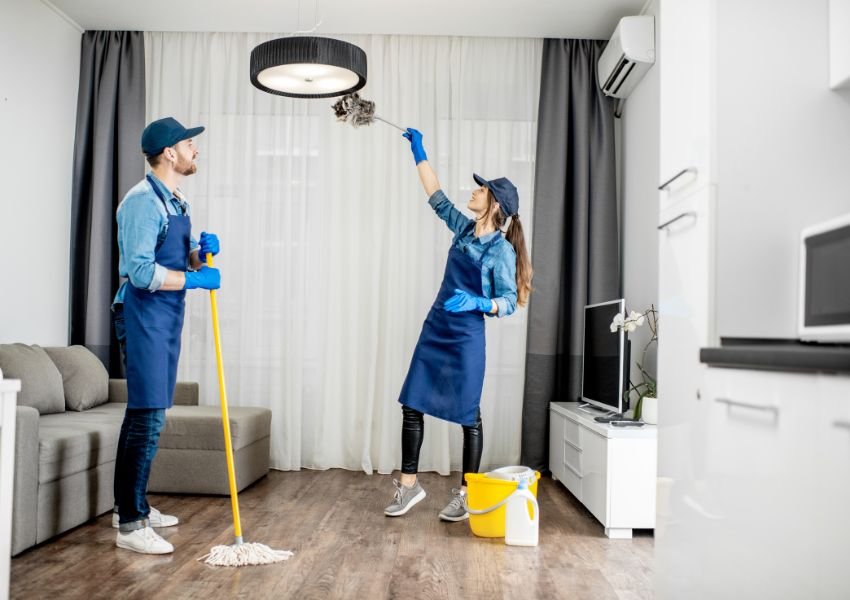
In some circumstances, professional cleaning of your carpets, furniture, or even curtains is required at the conclusion of your lease. In some cases, your landlord or estate agent may also require a cleaning receipt from a reputable cleaning company to confirm that your requirements are met.
Selecting a reputable cleaning service ensures a stress-free move. If the home is professionally cleaned, you’re less likely to have deposit deductions for cleaning as you’ve worked with a knowledgeable professional that should ensure the house is spotless.
Create a Checklist
To ensure they don’t forget anything, tenants should use a comprehensive end-of-tenancy cleaning checklist. To confirm that the renter has met their obligation, landlords might use this cleaning checklist while checking the property compared to their initial report.
Rooms should be thoroughly cleaned from top to bottom. In restrooms, dirt and mildew are the most obvious and least tolerable and much of the work is cleaning the kitchen. Another delicate area you should pay attention to is carpeting. Be careful to inspect all of the house’s appliances, windows, drawers, cabinets, and shelves.
Set a High Standard
The most common reason for deposit disputes between yourself and your tenants is a property’s cleanliness. But these can be easily avoided. The check-in and check-out process is crucial as it gives you a chance to clarify expectations rather than depend on a subjective idea of cleanliness.

Additionally, using check-in inventories and cleaning schedules gives tenants, landlords, and agents precise information to evaluate. All can easily see any differences in cleaning standards with the addition of images to any written remarks.
This reduces the likelihood of disagreements, keeps renters happy, makes it simple to remove funds from the deposit for cleaning if there is a valid reason, and prevents the need for third-party arbitration, saving time and money.
Bottom Line
A pre-move-out clean is necessary to get your property ready for the next set of tenants, but it’s also a chance to ensure it’s in the same condition it was when your renters moved in.
Comprehensive property management services are what we strive to offer at Sutton Property Management. Our clients can relax knowing their rental property is in good hands thanks to our exceptional services and solutions.
Get in touch with us today and receive a quote for our property management services.
What Maintenance Issues Are Emergencies and What Can Wait For Regular Business Hours?
Many people believe that investing in a rental property is a great way to earn passive income – which is true. But owning a rental property can never be just a side hustle. With the many responsibilities that landlords need to take care of, sometimes, they need to spend more time managing their rental business […]
Many people believe that investing in a rental property is a great way to earn passive income – which is true. But owning a rental property can never be just a side hustle. With the many responsibilities that landlords need to take care of, sometimes, they need to spend more time managing their rental business than they do on a regular 9 to 5 job.
One of the responsibilities that keep DIY landlords busy is handling tenants’ maintenance requests. Landlords should be responsible for providing a safe and habitable place for their tenants, they are also expected to handle any repair issues that may need immediate attention.
As a matter of fact, there are times when landlords have to handle emergency repair requests even after business hours. But what instances can really be considered an emergency?
This can be a complicated question, which is why we at Sutton Group have put together this guide, so you can understand what an emergency is, and what is not.
What Can Be Considered As Emergency Maintenance Issues?
In general, any maintenance issue that could potentially cause harm, injury, or cause serious property damage is considered an emergency.
A few examples of emergency maintenance issues are the following:

Flooding
If the rental home is flooded due to heavy rains or an issue with a neighboring home, landlords should be responsible for addressing the repairs immediately. Flooding can cause damage to your tenants’ belongings, as well as damage to your property.
Broken Water Lines or Frozen Pipes
With broken water lines or frozen pipes, tenants won’t be able to access the continuous flow of water. Also, if left for too long, these pipes can burst, which can cause major structural damage to your property.
Broken Door or Lock You Cannot Secure
Broken doors or locks are a major security hazard that must be attended to as soon as possible. Your tenants will be vulnerable to potential intruders and burglars if the doors and locks are not repaired.
Gas Leak or Broken Gas Line
A broken gas line or gas leak is a fire hazard and is an emergency issue.
No Heat in Winter or No Air Conditioning During Extreme Heat
If the heater and/or air conditioner are not functioning well, it can cause major health and safety issues, especially during extreme weather conditions. Make sure to attend to this maintenance issue as soon as you receive a report from your tenant.
Other issues that may also be considered an emergency are:
Electrical Issues
Intruder Break-in
Leaking Roof
Water Emergencies
Carbon Monoxide Detection
Extended Power Outage
Sewer Back-up and Flood

Maintenance Issues That Are Not an Emergency
While emergency maintenance issues need to be addressed right away, many repair requests are not. If you are not sure how to classify an issue as emergency or non-emergency, you can ask the following questions:
Would it cause major damage to the property if left untreated for a week or two?
Is it a health and safety hazard that can adversely affect your tenants?
Do es it threaten the security of your property and its occupants?
If the answer to all these questions is no, then the issue is not an emergency, and your tenants should not be calling you after business hours to request for immediate repair. But, any maintenance issues, even if they are not considered an emergency, should be reported to you during normal business hours.
Here are a few examples of non-emergency maintenance issues:
No Hot Water
Burnt Out Lightbulbs or Fixture
Minor Cracks on the Floor
Kitchen Appliance Malfunction
Air Conditioning Malfunction (if the outside temperature is below 90 degrees)
Heat Malfunction (if the outside temperature is below 50 degrees)
Noise/Neighbor Complaints
Parking Disputes
How to Handle Emergency Maintenance for Your Rental Property
When handling emergency repair requests from your tenants, make sure to keep these tips in mind:

Write a Clear Lease Agreement
Your rental agreement should cover all the responsibilities you expect from your tenants, as well as your responsibilities as a landlord. In addition, it’s best to include all possible circumstances that you consider an emergency, so tenants will know when they are allowed to reach out to you beyond regular hours.
Document Every Maintenance Request
It’s crucial to keep a record of all requests, especially the emergency ones, to prevent any dispute later on. Keep a record of the conversations you had with your tenants, the actions that you have taken and when, the repairs made, and whatever steps you have agreed upon. Additionally, you should take note of any necessary follow-up you need to complete.
Make Yourself Accessible
We have learned that not all maintenance issues are urgent. But it’s important to make yourself easily accessible in the event of an emergency. Inform your tenants of the best ways to reach you in case they need to. Keeping your communication lines open for your tenants is a great way to build a healthy relationship with them.
Hire a Property Manager
Working with a professional property manager can help minimize, or even totally remove the stress of having to handle these maintenance issues. Property managers typically offer a 24/7 emergency hotline that tenants can contact for urgent repair requests.
In addition, reliable property management companies employ expert technicians and contractors who can handle repair requests skillfully.
Bottom Line
Hopefully, this article has answered any questions you may have regarding when property maintenance is considered an emergency or not. But if you do have any further questions, Sutton Property Management has the answers you’re looking for!
Get in touch with us today by calling (780) 532-4900 and we will be happy to serve you.
How to Advertise Your Alberta Rental Property Successfully
Keeping your property occupied is important in becoming a successful landlord. If you want to be a successful rental property owner, you should set a budget and spend time on your marketing. After all, what is the use of having a perfect rental property if it doesn’t get as much exposure as it deserves? Proper […]
Keeping your property occupied is important in becoming a successful landlord. If you want to be a successful rental property owner, you should set a budget and spend time on your marketing.
After all, what is the use of having a perfect rental property if it doesn’t get as much exposure as it deserves?
Proper advertising is a term all landlords should be familiar with as it can attract a wider range of potential tenants. When you advertise your rental home correctly, you can target the right tenants and likely receive applications from quality residents.
With a larger pool of potential renters, you’ll be able to choose from a variety of highly qualified tenants and easily eliminate the problematic ones. This can help minimize financial losses, protect the condition of your rental unit, and avoid unnecessary tenant-related problems.
In short, landlords can get peace of mind when they hire only quality tenants. It would be easier to find those quality renters if you know how to market your property efficiently with exceptional advertising strategies among their property management services.
Here are the top advertising tips for your Alabama rental property:
Take Professional Photos

One of the most important things that you should do to help ensure that your marketing will be effective is to invest in professional photography. After all, a rental property listing with good photos typically receives 95% more views and responses than those without pictures.
When taking photos, you need to consider the following:
Staging and Preparation
Staging refers to how you will present your property in your advertising materials. Make sure that every room on the property is well-prepared and picture ready. The property should be free from any trash and debris, and the rooms should be staged beautifully to attract tenants.
Lighting
Natural lights bring the best out of every subject. If you want your rental home to look appealing, take your marketing photos during the day when there is sufficient natural light.
Angles
The best thing about hiring a professional photographer is that they know how to find the right angles depending on what you want to highlight. Of course, you want to bring attention to the best aspects of your property. You can do this more with proper lighting and taking photos at the right angles.
Write Engaging Property Descriptions
Your photos won’t be complete without interesting and engaging property descriptions. After you have taken all the photos that you need, make sure to match them with accurate and enticing descriptions to attract quality tenants.
Writing a good copy will help with searchability using well-curated SEO. This will ensure that your listings are exposed to a targeted audience. To write a good copy, you need to have two separate and engaging sections:

Headline
The headline is the first thing that a prospective renter will see when looking at a listing. It should be as engaging and interesting as possible, as the headline will usually be the deciding factor as to whether or not potential tenants will continue reading the property description.
When writing a headline for a rental property ad, the following format is typically used:
Rent Price + Number of Bedrooms + Number of Bathrooms + Property Type + Location + Selling Point
This format includes the most relevant and crucial information, giving rental property seekers a reason to continue reading the description.
For example:
$2,050 2-bedroom 1-bathroom apartment in Grande Prairie with scenic views.
By following the standard headline formula, prospective tenants will immediately know whether the rental unit is within their budget range, preferred size, and desired location.
Summary Description
After writing the headline, the next step is to compose a summary description of your property. This section is also essential as it will tell the reader more about the rental home. This will go a long way to ensuring they are happy tenants.
Make sure to highlight the available amenities and give emphasis on the unique features of your property. Also, you should describe what the neighborhood is like, including the nearby businesses that you think will be important to the tenants. You may also include a map to help the readers know where the property is located exactly.
Include important restrictions so you can naturally screen tenants according to the terms that you prefer. For instance, if you have a pet policy or restrictions on the number of residents, make sure you indicate them clearly in your advertising material.
Post Your Ad on Effective Platforms

Once your advertising material is ready, make sure to have it distributed efficiently to target your preferred audience. Nowadays, most rental property owners use a variety of online platforms to market their properties. This is the easiest way to reach a wide range of prospects without printing your ad materials.
If you prefer the traditional way of advertising, you may also distribute your marketing materials to real estate agents or have them posted in a local newspaper’s classifieds. Or you can use both digital and printed advertising strategies so you can get as much exposure for your property as possible.
Bottom Line
If you don’t want to do this on your own, you can also opt to work with a professional property management company to make this easier for you. If you need help with your property marketing in Alberta, contact Sutton Property Management at (780) 532-4900.
Not only are we experts in property marketing, but we can help screen your prospects, write a solid lease, and provide excellent maintenance services. Contact us today for more information!
Why Successful Real Estate Investors Partner with Property Management Companies
Whether you’ve been managing your property alone for some time or you’ve recently started, you’re likely faced with the choice of whether to continue alone or engage the services of a third party. Both options have benefits and drawbacks and may lead to different situations. When you’re taking on the task of a direct manager […]
Whether you’ve been managing your property alone for some time or you’ve recently started, you’re likely faced with the choice of whether to continue alone or engage the services of a third party.
Both options have benefits and drawbacks and may lead to different situations. When you’re taking on the task of a direct manager in your rental operation, you can save on the management fee but this also means exchanging your time and energy for it.
Having a property manager supporting your business may cost a fee but escaping the rigors of daily management and property maintenance tasks is also worth it.
At Sutton Group, we believe that a partnership between an investor and a property management company is highly beneficial for both. Below are some of the reasons why.
Defining Property Management
Before going into the benefits of partnering with a property management company, we need to understand what a property management company is.
When talking about rental property management, it refers to having a third party take care of a rental home and its residents. Property managers are paid by rental property owners to handle its daily operation. They’re also the people renters will approach should they have concerns and issues.

Property Management Tasks
Hiring a property manager means spending a management fee, but this could be considered an investment cost. In return, property managers. Sometimes the fee becomes negligible since your income can be optimized and steady due to the skills of the property manager.
Here are some tasks that property management companies perform:
Handling the rent collection from tenants
Addressing concerns and catering to maintenance requests
Communicating with delinquent tenants
Marketing vacant rental units
Organizing business records such as leasing agreements, receipts, and invoice
Cost of Property Management
What makes some property owners hesitate about turning over property management to another party is the cost. Management fees can differ but normally 10% is acceptable in the industry. It can range from 8 to 12% in reality. It just depends on the kind of services offered by the company.
Though it can sound a lot for some, the benefits that come along with it can’t be discounted. Property owners can pursue more investment opportunities instead of being swamped with the tedious tasks of property management.
Having a Property Management Company’s Support
A lot of property owners who have since taken the plunge to hire a property manager, never look back. For one thing, some property investors prefer a hands-off management style when dealing with rental operations.
Some also find the property management tasks time-consuming, and they may even need to learn new skills. Others are more focused on looking for more investment ventures and don’t want their time and energy to be taken.
Property managers offer this value by performing tasks and sharing these responsibilities with the property owners:
Marketing expertise: Compared with a first-time property owner, a property manager has greater professional marketing skills and is much more adept at attracting high-quality tenants.
Local market knowledge: Exposed to the property management industry, property managers are able to set the right rental rate that’s optimal to the property owners and reasonable to the tenants.
Property showings: Property managers have the free time to work out a schedule with prospective renters to view the rental unit. Long-distance landlords can enjoy this special service as they don’t have to travel far and spend a lot of money to meet the prospects and give a property tour.
Dealing with tenants: Even if you have exemplary tenants, it still requires effort to build your communication skills and tend to them.
Attending emergency maintenance and repairs: A large part of a property manager’s responsibility falls on property maintenance and addressing repairs. They have a team of contractors that help them achieve the goal of keeping a habitable rental for the tenants.

Benefits of Hiring a Property Management Firm
Simply stated, having professionals manage your rental investment makes a ton of difference. As your professional representative, they have more experience and skills in handling potential renters and tenants. You reduce your stress since they’ll be using effective management practices that have worked for years.
Property managers are well-versed in property laws and can apply their industry knowledge and experience to make your rental business a success. They’re also responsible for assigning the right rent price, keeping up with the maintenance work, advertising vacancies, customer service, and scouting for new prospects.
As a property investor, having a property management company working for you presents numerous advantages. This becomes even more apparent when you own several properties and have a lot of responsibilities on your hands.
In return for the monthly fee, working with property managers provides you with:
High-quality tenants
Shorter vacancies
More efficient processes
Reduction in legal conflicts
Fewer responsibilities and stress

The Necessity of Having a Property Management Company
While the decision to hire a property manager may rest with you, here are scenarios that may make it necessary to hire one:
Growing your rental units as part of an investment strategy.
Being a long-distance landlord affords you little time to oversee your investment property. It’s best to have a local manager supervise your rental home.
Actively managing your property is not your preferred way to spend your time. Treating your rental unit as a passive income means engaging the services of an external party to run the business operation for you.
Bottom Line
Reputable property management companies provide a significant value that can end up maximizing your returns. You’re also able to access professional expertise at a small fee in the grand scheme of things.
If you have any questions or would like to take up a property management agreement with us at Sutton Property Management, contact us today!
Tax Season Tips for Landlords
Do you own an investment property in Canada? If you are, this article is for you! Renting out a property is a lucrative venture if done well. You earn a passive rental income at the end of every month, among other benefits. Being a landlord, however, isn’t without responsibilities, and a key one is being […]
Do you own an investment property in Canada? If you are, this article is for you!
Renting out a property is a lucrative venture if done well. You earn a passive rental income at the end of every month, among other benefits. Being a landlord, however, isn’t without responsibilities, and a key one is being taxed compliant.
The Canada Revenue Agency expects landlords to declare all rental income when filing their tax returns come tax time. T means the question remains:
Do you know what exactly counts as rental income?
Do you know what deductions you qualify for?
Do you know the tax implications of things like capital expenditures, capital expenses, mortgage interest and insurance, house insurance, and other deductible expenses like repairs to adhere to safety standards?
In this article, we’ll help you answer all these questions and more.
What is the Difference Between a Current Expense and a Capital Expense?

Broadly speaking, a current expense is one that reoccurs every so often. A good example of a current expense is the cost of repainting your rental unit. Other costs include those you may incur to maintain or repair your rental unit.
On the other hand, a capital expenditure is one that doesn’t reoccur often. According to the Canada Revenue Agency (CRA), these are ones that help improve the fair market value of a property. They are upgrades or renovations that help extend a property’s useful life or replace faulty features or equipment.
An example of capital expenditure is installing vinyl siding on the outside of your wooden rental property.
In order to determine whether an expenditure is a current or capital expense, the CRA uses the following questions.
Does the upgrade or renovation offer the investment property a lasting advantage in regards to its selling price or market value?
Is the upgrade meant to maintain the property or improve its fair market value?
Is the expense meant for a separate asset or is part of the investment property?
Is the expense meant to repair the property or for the purpose of improving its desirability?
Is the repair expense meant to boost the property’s value or selling price and then sell it?
How much is the expense incurred?
You can learn more about the two categories of expenses from the Canada Revenue Agency’s platform.
Why Does the Type of Expense Matter?
As a landlord, knowing which category an expense falls into is crucial when it comes to taking advantage of deductible expenses. For current expenses, they only apply for the current year in which they occur.
On the other hand, a capital expense requires that it be divided in a specific way and be applied over a couple of years’ taxes. The outcome of this would be unique to you, so for further information, it’s best to contact an accountant, property management company, or financial professional.

What Type of Expenses is Tax Deductible in Canada?
The following is a list of deductible expenses that landlords in Canada can claim. You must do this on a special form (Form T776) when filling out your personal tax returns.
Office Expenses. Examples of these expenses include the cost of purchasing pencils, paper, pens, stationery, stamps, and so on. You can only apply these expenses if you made the purchases for business use only.
Motor Vehicle Expenses. You can make deductions on motor vehicle expenses based on the number of rentals you own.
Management fees. This applies to property owners who have hired professionals to manage their investments on their behalf. Payments that also fall under this category include expenses incurred in regard to real estate agents.
Repairs, Maintenance & Improvements. These include costs incurred in repainting or fixing a broken door. As these are current expenses, you can make the deductions for the year in which you incur them.
Professional Fees. The CRA also allows landlords to make deductions on any professional fees incurred. Examples of these include legal fees, property management fees, and consultancy fees.
Any improvements you make cannot be deducted for the year in which you incur them. You must spread the cost over a couple of years’ tax. Examples of capital expenditures include new lighting, electrical wiring, or plumbing.
You cannot, however, make deductions for legal expenses incurred when buying a rental property from the gross rental income. Rather, you must split them up between land and building, then sum them up to the specific expenses they belong to.
You can claim a variety of costs under interest. Chief on the list is mortgage interest. You can also deduct all other costs you incur when obtaining the mortgage, such as appraisal, mortgage application, legal fees, and so on. Mortgage principal isn’t deductible, however.
Do you pay any insurance premiums towards covering your investment property? If you do, you may be able to qualify for deductions on expenses you’ve incurred on building insurance during the year.
Have you advertised your property on websites, newspapers, magazines, and other similar places? If you have, you may be able to claim a tax deduction for all the payments made for it.
Property Taxes. Each province determines how much tax landlords must pay. The CRA allows you to then go ahead and minus the property taxes levied by your province in the current financial year.
Other expenses that qualify for tax deduction under the CRA include travel costs, prepared expenses, utility costs, as well as other rental expenses such as condominium fees, landscaping costs, lease cancellation payments, and vacant land.
It’s always a good idea to run any expenses you’re unsure about past an accountant or property management company to avoid any landlord mistakes.

Bottom Line
Tax season requires all landlords to abide by the requirements made by the Canada Revenue Agency. If you are just starting out, enlisting the help of an expert can be a great idea. Sutton Group is a trusted property management company in Grande Prairie, Alberta.
How to Be a Long-Distance Landlord
The reasons that may have led one such as yourself to be a long-distance landlord are varied. For example, you could be investing because: Of a work relocation. You’ve retired and moved to a sunnier locale. You found a great investment in another state that was too good to pass up. In this blog, we […]
The reasons that may have led one such as yourself to be a long-distance landlord are varied. For example, you could be investing because:
Of a work relocation.
You’ve retired and moved to a sunnier locale.
You found a great investment in another state that was too good to pass up.
In this blog, we at Sutton Property Management will share with you 6 tips on how to become a successful remote landlord.
Rent to Great Tenants
Finding great tenants and keeping them happy should be the primary goal of every landlord. Great tenants are great for any landlord’s bottom line. They pay rent on time, care for their rented premises, and renew their lease multiple times.
But if you manage the property remotely, you may not have the same chances as a local landlord. Unlike a landlord who is always available, you won’t be able to stop by for a quick drive-by inspection. But without great tenants, things could go wrong.
To defend against any potential risks, having a solid screening process is important. Among other things, your screening process should be able to qualify a tenant based on things like their:
Credit rating
Income level
Rental history
Employment background
Criminal background

Encourage Open Communication
As you may not be around as often, ensure that you establish clear and consistent communication.
You’ll want your tenant to notify you of any issues you find as soon as possible for a swift resolution. Doing so will benefit you in multiple ways. For one, you’ll be able to prevent small maintenance issues from becoming big. Secondly, taking corrective action quickly will prevent potential issues like rent withholding hassles.
Ensure your lease agreement has updated contact info, which should include your phone number. In addition, you may also want to call the tenant every now and then to check in.
Visit the Property When You Can
Did you know that travel expenses can be fully tax-deductible? The Internal Revenue Service (IRS) allows landlords to deduct all expenses related to their rental properties.
Basically, this means that you can deduct the costs of hotel stays, mileage, plane tickets, and even meals when you inspect the property.
So, you should make a point of visiting your rental property at least once every year. These visits should help you ensure your property is in great shape and that your tenant is happy and satisfied.

Stay Up to Date With The Community
If you live far from your property, it can be easy to get disconnected from the community there and that can be risky for your business. It isn’t uncommon for the business environment, government policy, and demographic to change every once in a while. Causing your property’s bottom line to change.
As a remote landlord, it’ll be in your best interest to keep up with local news and keep tabs on the rental market industry. This way, you’ll keep up to date with any changes that may impact your investment.
Build Relationships with Local Vendors
As you won’t be around when you’re needed, finding available local resources will be key. These are the people that you’ll want to have quickly available whenever you require their skills.
When a repair request pops up, for instance, these will be the people you’ll turn to for prompt action.
Understand the Local Rental Laws
As you won’t be around when you’re needed, finding available local resources will be key. These are the people that you’ll want to have quickly available whenever you require their skills.
When a repair request pops up, for instance, these will be the people you’ll turn to for prompt action.
Understand the Local Rental Laws
This cannot be overemphasized!
As a landlord, you have a responsibility of abiding by all local laws that affect your tenant. Some of the laws are as follows.
Security Deposits
In Alberta, your security deposit charge must not exceed the rent for one month.
Alberta Warranty of Habitability
As a landlord, you have a responsibility of keeping your rental property reasonably safe and in good repair at all times.
Eviction rules
You can only evict a tenant only in accordance with the Residential Tenancies Act (RTA). You cannot do things like lock the tenant out, remove their belongings, or shut down their amenities.
Landlord Entry
As a landlord, you have a right to enter your tenant’s rented premises. But you must only do so after serving your tenant advance notice of 24 hours. The only exceptions allowed are during emergency situations or in case of property abandonment by the tenant.

Fair Housing Rules
The Alberta Human Rights Act prohibits landlords from discriminating against their tenants on the basis of certain protected classes. The classes include race, color, ancestry, religion, nationality, disability, marital status, familial status, gender expression, gender identity, and sexual orientation.
If you fail to understand such laws before renting out your property, you may constantly find yourself in legal tussles with your tenant.
Bottom Line
As you can see, being a long-distance landlord is possible. But at the same time, it does come with its fair share of challenges. That’s why savvy rental property owners choose professional help.
Sutton Property Management can help manage your Grande Prairie rental property reliably and professionally. We can handle any property management issue on your behalf, from property showings to property marketing to rent collection. Get in touch with us today.
How to Boost Your Rental Property’s Curb Appeal
Adding curb appeal is an important part of improving the overall rental experience you offer. After all, prospective tenants’ first impressions are based on how your property looks from the outside. Improving your curb appeal often doesn’t require a lot of investment too. With simple and stylish add-ons, you can create a striking and attractive […]
Adding curb appeal is an important part of improving the overall rental experience you offer. After all, prospective tenants’ first impressions are based on how your property looks from the outside.
Improving your curb appeal often doesn’t require a lot of investment too. With simple and stylish add-ons, you can create a striking and attractive curb appeal. Even tiny efforts can lead to beautiful and eye-catching results. Generating more interest from passersby who could become prospects.
Sutton Group has put together these ways to improve your curb appeal for seasoned and new investors, giving you a competitive edge over other rentals in your area:
Use Bold Colors

Adding a bright color can be a great idea to make your rental’s curb appeal stand out. If your property is located in a place with similar rental homes painted in the same drab neutral shades, adding bright colors helps you stand out.
Repainting is not as expensive as other rental updates yet it’s just as effective in attracting new prospects. But you should avoid using a rainbow of shades. You should refrain from making your exteriors look tacky.
You don’t have to paint a bright shade to the entire exterior, you can apply it on your mailbox, door, or lamp post. You can also install several planters with colorful flowers for a cheerier look resulting in an attractive curb appeal.
Add Greenery
The more greenery around your rental home, the more inviting the environment is. Plants can transform your rental home into a comfortable and relaxing space.
A cost-effective idea is to hire a gardener or at least get their advice. So, you can pick plants that don’t require much effort to look after. Otherwise, your renters may end up neglecting them due to the amount of effort required in maintenance.
Install Attractive Lighting
Using lighting as a tool to attract more renters, can be a successful tactic. With plenty of affordable stylish lighting accessories to pick from, you need not worry about spending a lot to make your property look great.
A clever idea is to install a series of lighting on the pathway to your door’s rental. It naturally directs the eye, keeps everyone happy, and increases the security of your property.
Improve Your Front Door
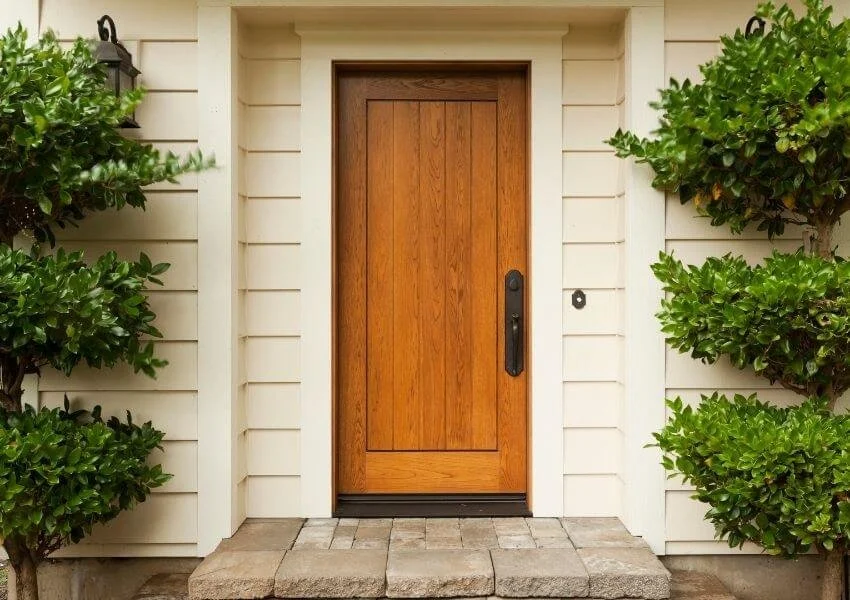
If the door looks dull, chances are it won’t grab much attention. As a property owner, take time to examine your main door that faces the street to see where it could be improved upon.
Even if you’ve planted new grass or added interesting outdoor furnishings, a dreary front door can reduce your curb appeal. So, try adding a fresh coat of paint and replacing the hardware.
Clean Regularly
Keeping your property looking immaculate is important when attracting new renters as the basis of their opinions starts with your curb appeal. To achieve this, follow a consistent cleaning schedule.
If there are any needed repairs, act on them right away. Distorted gutters or broken fences can become an eyesore. Ensure you elicit a good impression by paying attention to your rental’s exterior. The cleaner it is, the more interest it attracts.
Landscape the Property
If you’ve added more greenery, you shouldn’t leave it looking unkempt. You should keep you’re your lawns mowed, and bushes, trees, and shrubs trimmed. If you have superb landscaping, it can really lift your curb appeal. Healthy plants are nice to look at.
Paint the Property
Landlords paint the property every 2 to 4 years depending on the laws in the city. This is part of making the rental home habitable. If you want to create more interesting paintings your exteriors are advisable.
‘Normal wear and tear’ does occur as time goes on, which can affect your rental’s exterior since they’re more exposed to the weather.
Choose high-quality paint and hire a professional painter to ensure that the results are excellent. Going the DIY route can be costly if more mistakes are made. In fact, to boost your curb appeal, it’s even more critical to highlight a properly painted rental home exterior.

Bottom Line
As a landlord, your task is to keep up with the maintenance of your property while continuing to build its value. Updating your curb appeal is part of your responsibility. It also motivates your current renters to renew their leases.
If you’re marketing a new property, focusing on your curb appeal can be a strategic way of attracting new tenants.
Do you need a trusted property management company to assist you in maintaining your rental property? Call Sutton Property Management today! We provide a wide range of property management services that will help you maximize your rental earnings.
Pros and Cons of Living in Grande Prairie
Are you interested in making Grande Prairie your next home? Make your move to Grande Prairie the easiest one yet by being 100% prepared. This article, prepared by us at Sutton Group, aims at showing you what makes Grande Prairie such a wonderful place to live and where it can improve. The Pros of Grand […]
Are you interested in making Grande Prairie your next home?
Make your move to Grande Prairie the easiest one yet by being 100% prepared. This article, prepared by us at Sutton Group, aims at showing you what makes Grande Prairie such a wonderful place to live and where it can improve.
The Pros of Grand Prairie
Part of being a great landlord is understanding what makes your area great. So, Grand Prairie has many great elements that would attract residents:
Great Outdoor Entertainment Areas
The landscape of Grande Prairie makes the city a scenic beauty. The great lakes and the Rocky Mountains attract many tourists, so Grand Prairie is ideal for outdoor entertainment and adventure.
The Muskoseepi Park offers multiple entertainment facilities, especially for families. Residents come to the venue to make memories with their kids and pets on the play area, biking tracks, or various sports facilities.

Fantastic Healthcare
Before you can relocate, you should consider the state of healthcare in the new area. You ought to be sure that you and your loved ones have easy access to the best healthcare options.
Fortunately, Grande Prairie has some of the best healthcare available in Canada. Should there be an accident or emergency, help is only a few minutes away.
There are several highly rated hospitals in Grand Prairie for your health needs. Their treatment utilizes modern medical technology operated by the best medical experts in the area. The local government has also invested in the city’s healthcare.
Various Real Estate Options
A question that investors ask before sinking their resources into a neighborhood is “Does the area offer great options for renting?”
Grand Prairie answers this by having a ton of rental options with any house sizing. If you are looking for studios, duplexes, apartments, or single-family homes, with a variety of amenities, you will find them in Grand Prairie.
Reliable Public Transport
Access to public transport is vital to consider before relocating to a new place. Unfortunately, not everyone owns a car or has the financial capability to acquire one.
So, is there good access to public transport in Grand Prairie? Luckily, yes.
Public transport is popular among Grande Prairie residents and there are two primary options, the regular buses, or the transit service. The former travel through the city while the latter operates from early in the morning to late at night.
Quality Education
The quality of the area’s school and education system is a major influence on a parent’s ultimate decision to relocate or not.
Education has been a focal point for the Alberta government. The provincial cities can boast a robust and comprehensive education system with numerous public schools. There are also local universities in the area.
High Rate of Income
Compared to other neighborhoods in Alberta, the locals of Grande Prairie earn significantly more than average.
Professionals and potential employees tend to move to the area looking for more attractive options. This should bode well for investors looking to buy investment properties in Grande Prairie and rent them out.

The Cons of Grande Prairie
Even though Grande Prairie has a variety of great neighborhoods, it has areas in which it can improve. Such as the following:
High-Income Tax
The stringent tax laws of Alberta apply to Grande Prairie residents. The income taxes applicable in Alberta are higher than in other regions in Canada. These tax laws are inclined positively toward the rich and middle-class fraction of the population.
No Nightlife
Those who enjoy vibrant nightlife will be disappointed with Grand Prairie. The city lacks the vibrancy and excitement found in surrounding cities. So, you may need to travel outside town to enjoy a night out.
A Higher Cost of Living
An area’s average cost of living is important to understand before you move there. You want to know if you can afford to live there. Unfortunately, the cost of living in Grande Prairie is high.
Grande Prairie: An Excellent Place to Live

Although wintry weather and high-income taxes may turn you off to living in Grand Prairie, think about all that you will be missing by being far. The scenic beauty, good education, reliable public transport, and tourist attractions are just a few of what the residents enjoy daily.
These factors and many more make Grande Prairie an excellent place to live or spend your vacation months.
Bottom Line
By knowing the needs and expectations of owners, investors, and tenants, Sutton Property Management has provided stability and growth for our partners.
We are a family-owned and operated property management firm in Grande Prairie, Alberta and there is no situation we have not seen. We have delivered first-class service to property owners by combining current technology with personal attention.
As a result, we at Sutton Property Management are happy to provide the area’s most comprehensive property management services.
Becoming a DIY Landlord? Six Mistakes to Avoid
Investing in a rental property or converting your home into a rental can be an exciting challenge. But new landlords tend to prefer running the property themselves, which can cause problems. New landlords can be caught unaware of the demands of running a rental property. Inexperienced landlords may also not be aware of the variety […]
Investing in a rental property or converting your home into a rental can be an exciting challenge. But new landlords tend to prefer running the property themselves, which can cause problems.
New landlords can be caught unaware of the demands of running a rental property. Inexperienced landlords may also not be aware of the variety of tasks involved in keeping up the condition of their rental unit.
So, we at Sutton Group have put together this article to help all landlords avoid common mistakes when running a rental property:
Write A Lease Agreement
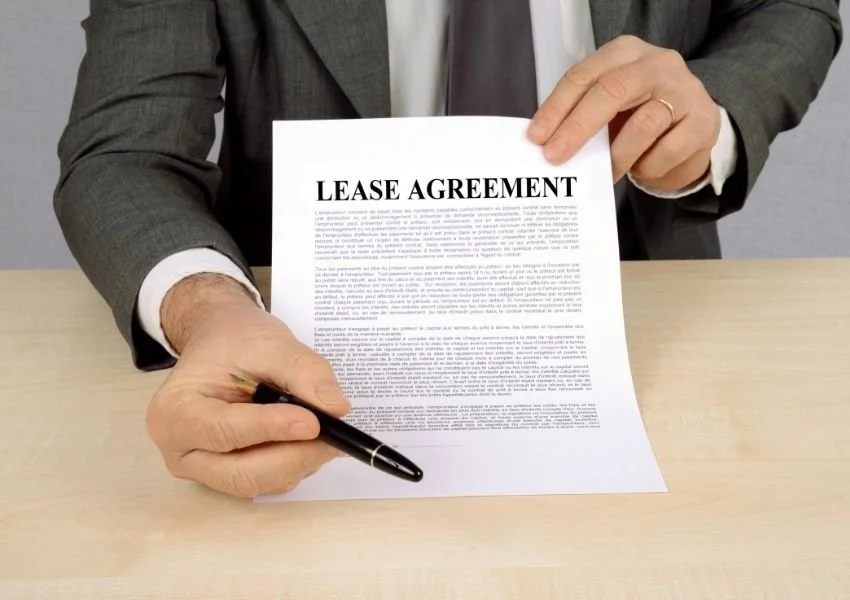
Having a signed rental agreement with your tenants can offer you protection in case a lawsuit is filed against you. Written contracts are binding given that both the landlord and tenants signed the document.
These leasing agreements outline the terms and conditions of the tenancy and they can offer guidance to renters. Without one, asking a tenant to comply with property policies can be tough. Leasing agreements must be made with care and must be legally compliant with State and local laws.
Inspect the Property Thoroughly
Renters are bound to stay for the long-term if the rental property is well-looked after. Although the bulk of the landlord’s responsibility falls on maintaining the unit and adhering to habitability laws, tenants also share in the duty of keeping the rental in reasonable condition.
As a landlord, you should perform regular property inspections. Some landlords even conduct preventive maintenance to catch minor issues early and save on repair costs.
The best thing about being vigilant of your rental’s upkeep is that tenants end up happy. Helping you avoid frequent tenant complaints. Property owners are expected to ensure that their rental homes are secure and meet safety standards.
Fill Any Vacancies
Vacancies are bound to happen when tenants move out and it can take a while to find new renters. So, landlords should have a contingency plan for when this occurs.
Getting your property to rent-ready requires maintenance costs as you tackle repairs and market your vacant unit.
So, it is advisable for property owners to have at least a three-month budget for property maintenance expenses. Setting up these funds will give you peace of mind when you are between tenants.
Screen Your Prospects

In a rush to land tenants, DIY landlords can often miss screening prospects thoroughly. This is a bad practice as it is essential to perform detailed background checking so you know if you have a quality tenant or not.
You can call up previous landlords to find out if their rental homes were treated well. As property damage can be costly, you want to safeguard against abusive and neglectful renters. It is best to minimize the risks by adopting a comprehensive tenant screening procedure right from the start.
Manage Your Time
Being a DIY landlord is a job in of itself. You need to schedule regular inspections and contact the right contractors for property repairs. If time is limited and you have multiple units to manage or working a demanding career, you might need the support of a property management company.
While being a self-managing landlord allows you to learn by doing, it can also hamper your effectiveness if you do not manage your time properly.
You may fail to address tenant complaints right away or respond late to important maintenance issues. As a landlord, your main responsibility is to weigh if you are allocating sufficient time to running your rental home.
Hire a Property Management Company
Running a rental requires the firm enforcement of policies, especially adherence to rent payment schedules. So, outsourcing to a third party for rent collection can be effective.
Property management companies do well as professional representatives of property owners. They have organized systems set up and can be strict in following the leasing agreements. They can also manage things like curb appeal, marketing, emergency maintenance, and eviction proceedings should a renter become abusive and refuse to pay the rent accordingly.
A Property Management company can also help you to process any and all of your taxes. Making tax season fair easier.

Bottom Line
DIY landlords often fail to account for the huge costs of mistakes due to a lack of time and management experience. So, to avoid this and help build your property business, consider hiring a trustworthy property management company to oversee your rental operations and streamline systems.
Remember that your property investment should offer you consistent returns and time freedom. If not, then you may benefit from some help from an expert property manager like Sutton Property Management.
Call today at (780) 532 4900 to find out the different property management services they are offering. You can also send them a message at solutions@suttonpm.com.