

Property Management Blog
How to Convert Your Home Into a Rental Property
Are you considering converting your home into a rental? Rental property ownership comes with many financial perks. You may positively impact your financial stability and personal wealth for years to come. But here’s the thing: you don’t have to necessarily buy a rental property. When you already have a home, you can convert […]
Are you considering converting your home into a rental?
Rental property ownership comes with many financial perks. You may positively impact your financial stability and personal wealth for years to come. But here’s the thing: you don’t have to necessarily buy a rental property.
When you already have a home, you can convert a part of your home into a rental unit. If you have a second residence, you can convert your entire living arrangement into a rental property.
However, as with any other life change that involves personal finance and real estate, you should do plenty of homework beforehand. Now, we are going to list the top tips for creating a rental property out of your current residence.
Are you ready to become a landlord?
An important question to consider is this: are you ready for the landlord duties? At first glance, being a landlord may not seem to amount to more than rent collection and answering a phone call now and then.
In reality, things are different. You need to be prepared for a variety of duties. These include tenant screening, advertising, solving legal matters and conducting regular maintenance.
The way things turn out depends on your tenants as well. It’s no secret that some renters demand more time than others. You may have a solid tenant screening process, but that doesn’t mean you will find perfect tenants every time.
While becoming a landlord will positively affect your financial side of things, there are inherent risks as well. For instance, you may have to deal with sudden emergency repairs or upkeep needs. This brings us to the next point.
Would you consider professional property management?
Professional property management companies have entire teams who will take care of your every management need. For a fixed fee, you can forget about any landlord’s responsibilities that you’d otherwise have.

Consider this option, as reputable companies will care for your rental property as if it were their own. They will nurture and grow your rental investment. Even if you didn’t buy the property while keeping a rental in mind, converting your home into one can still be considered an investment.
What is the mortgage situation?
Do you currently hold a mortgage for a primary residence? The lower down payments and interest rates are satisfactory. However, the lenders do expect you to reside in that property full-time.
You need to check the terms of your mortgage agreement. There can be considerable differences between lenders. In most cases, lenders require you to use your property as a primary residence for at least 1-2 years.
It’s crucial not to violate these rules. While it’s true that it may be hard to find out, if and when the bank does learn about an occupancy clause violation, serious trouble will follow. In the worst case, you could be charged with mortgage fraud.
Do you have the right insurance?
Standard home insurance won’t be valid once you have renters coming into your home. Before you have new tenants entering the property, you should have already obtained landlord insurance.
Getting landlord insurance is vital. Without this, your home won’t have any coverage. Standard landlord insurance should cover your property’s structures, upkeep equipment and most outbuildings.
Check that your insurance covers at least minimum personal injury and accidents on your property. Also, check for what the various add-ons are for your insurance plan. When your rental is located in a storm-prone area, it pays to get that covered too.

When you are shopping for your landlord insurance, check with multiple providers. Get as many quotes as you can. You might find an especially good deal that has the same terms compared to the more expensive providers.
Have you thought about the rent charge yet?
Rental income is likely to be the number one motivator in most conversions from a home into a full-blown rental property. This, however, comes with the challenge of determining the right rent amount.
When you are trying to find the right price, it’s important to factor in all of your costs. In addition to mortgage payments, you should budget for repairs and maintenance. There is always something to fix, which is why you need to budget accordingly.
It’s possible to have a healthy profit on top of your regular expenses. Finding the sweet spot between overcharging and undercharging may not always be that easy. You need to conduct some market research to learn more about what rent amount would work in your favor.
What are the ground rules?
You need to start thinking about your rental rules as well. Since the property has been your primary residence, you may have some unwritten rules in place. However, this is the time to establish these rules as actual clauses in your lease agreement.
All the rules that truly matter to you should be incorporated into the lease document. The lease permits officially enforcing these principles. There could be real consequences to your tenants breaking the rules.
Weekly maintenance tasks and garbage removal are some of the top things to spell out in your agreement. Make sure to outline who is exactly responsible for what. For instance, you have to decide whether simple landscaping is the responsibility of the tenant or the landlord.

Another important point to consider is pets. So many households in the U.S. have pets, which means that there are financial benefits to allowing pets in your rental property. You must decide whether you ban certain dog breeds or exotic animals.
In a Nutshell: Converting Your Home into a Rental
Starting a rental business in your home could be a great idea. However, as with any other venture involving financial investments, you should take care to learn as much about rental management as you can. Research and knowledge will help you create a rental property success story.
Essential Tips for First-Time Landlords
Are you planning to acquire your first rental property? Investing in rental properties can become a lucrative venture. However, as with any other investment, purchasing a rental property comes with a set of risks and challenges. You need to be aware of these potential obstacles and threats to have any chance of deterring them. Every […]
Are you planning to acquire your first rental property?
Investing in rental properties can become a lucrative venture. However, as with any other investment, purchasing a rental property comes with a set of risks and challenges. You need to be aware of these potential obstacles and threats to have any chance of deterring them.
Every landlord has to deal with numerous tasks. Before you buy a rental property, you need to understand how big of a commitment self-managing can be. Setting realistic expectations is essential in this regard.
The following is a list of tips that will help you become a better landlord. Taking the first steps is always hard, but the potential rewards are well worth the initial difficulties.
#1: Focus on Lease Agreements
The lease agreement you draft is going to play a major role in governing the legal relationship with your tenants. Put time and effort into making your lease agreements strong in terms of protecting your interests as a landlord.
Every lease agreement should cover as much ground as possible. Don’t be afraid of putting too many details. This is only going to help you in case there are any issues or disputes.
Here are some of the aspects that every lease agreement should cover:
What is the monthly rent due? When should the payments be finalized?
What are the rent payment methods?
Do you have a pet-friendly rental? Are there any special rules regarding cats and dogs?
What is the smoking policy?
Do you exercise late payment fees?
What are your responsibilities?
What are your tenants’ responsibilities?
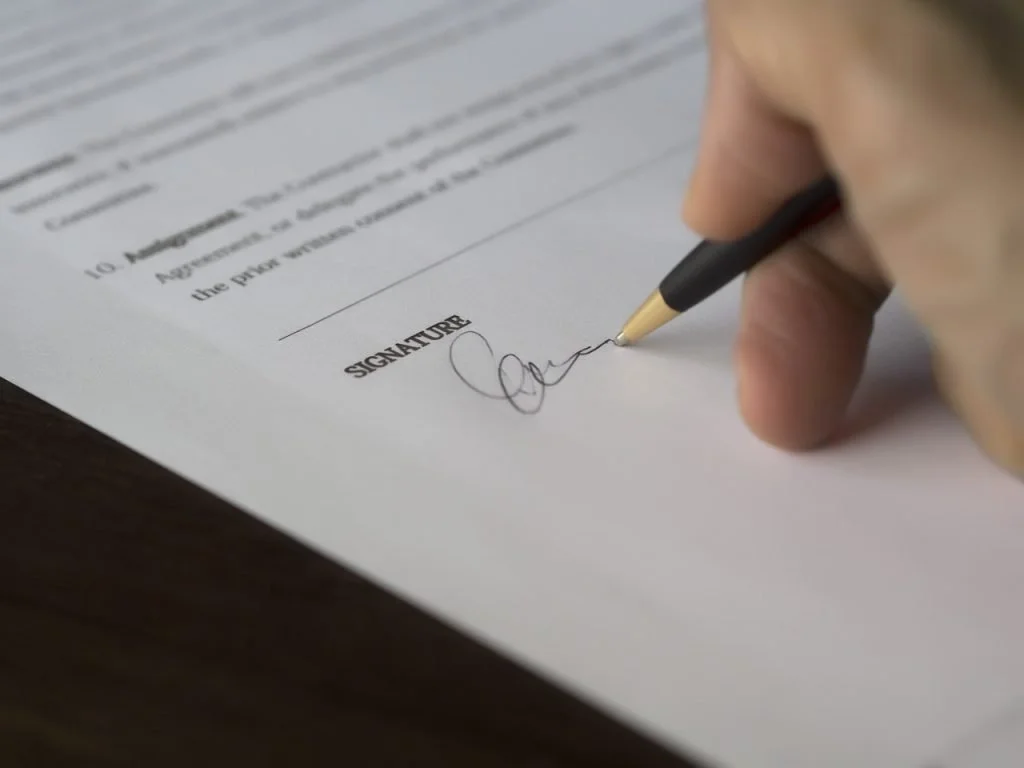
You can also use the lease agreement to add any clauses regarding evictions. However, you need to be certain that these eviction rules are legal.
#2: Find the Right Rental Price
You need to determine the correct monthly rent amount for your property. Both overcharging and undercharging are serious issues. When you overcharge your tenants, you’ll face a higher tenant turnover rate, making it harder for you to find new renters.
When you undercharge your renters, you’ll leave money on the table that could otherwise be a part of your monthly income stream. As you can see, neither situation is ideal. Finding that balance between the two extremes is a real challenge.
The right price isn’t found intuitively. You have to conduct actual research and crunch the numbers a bit to find the correct price. It’s necessary to compare similar rental properties in the same area to help determine the approximate price that the market is ready to pay for your rental.
#3: Familiarize Yourself with the Laws & Regulations
Rental property ownership means that you are subject to laws and regulations on many different levels. The key here is to have a basic understanding of all the crucial legal principles related to the role of a landlord.
These are the main topics that you should learn about:
Landlord’s rights and responsibilities
Tenant’s rights and responsibilities
Rent payments and late fees
Security deposits
Landlord’s entry
Move-in, move-out, drive-by, and other inspections
When you feel that some of these situations or concepts are beyond your understanding, it’s important to consult with a legal expert. These are not matters that should be taken lightly.
#4: Get Tenants in Your Rental
Tenant placement is a major task that every first-time landlord needs to deal with. When your rental units are empty, you still have to pay for all the running expenses. That’s why it’s important to fill your property at the earliest opportunity.
Nevertheless, acquiring tenants shouldn’t come at the expense of their quality. You still need to have renters who pay on time, respect the rules and won’t damage your rental property.
The key is proper tenant screening. This is the only way you can minimize the risk of having problem tenants in your rental units.
Check the applicants’ criminal histories, credit situation and employment status. Ask for references whenever possible.
If you want to make your screening easier, ask your applicants to fill out questionnaires. Collecting these applications allows you to get a good overview of the people who are interested in tenancy.
Organizing property showings is a way for you to get to know potential tenants as well. Make sure to have all the paperwork ready for the interested applicants. For instance, they might want to take a look at past utility bills or remodeling projects.
#5: Consider Professional Property Management
Self-managing landlords feel a lot of pressure. Some tasks and duties demand a lot of time. When you aren’t sure if you have enough time and energy to manage your rental property, it’s wise to consider professional property management services.
Hiring a reputable company leads to less stress and fewer worries. You can stop thinking about upkeep needs, legal issues, tenant screening, rental marketing and all the other aspects of rental management.

Experienced property managers will take the best care of your property. They will use their skills and knowledge to grow your investment. Moreover, these professionals will keep your best interest in mind at all times.
The Bottom Line: Tips for First-Time Landlords
Becoming a landlord unlocks the potential of boosting your monthly income. While many people dream of passive income, it’s clear that first-time landlords need to put in the extra hours to learn and gain experience.
Start by doing plenty of research regarding rental property management. Learn about the legal aspects, efficient marketing techniques and the key principles of correct rental pricing.
Evicting a Tenant in Alberta
When a tenant in Alberta signs a lease, they become bound by its terms for an allotted period of time. Among other key aspects of the lease agreement, the tenant pledges to: Pay rent when it’s due. Not cause excessive property damage. Take care of the property by ensuring it’s clean and sanitary. Not do […]
When a tenant in Alberta signs a lease, they become bound by its terms for an allotted period of time. Among other key aspects of the lease agreement, the tenant pledges to:
Pay rent when it’s due.
Not cause excessive property damage.
Take care of the property by ensuring it’s clean and sanitary.
Not do any illegal activities within the premises.
Not interfere with the rights of the landlord and any fellow tenants.
If a tenant fails to do any of these things, as a landlord, you have a right to end their tenancy. It’s difficult, especially if you’re a first-time landlord, but sometimes necessary. The Alberta landlord-tenant law is clear on the process that must be followed when evicting tenants.
The Eviction Process in Alberta
To evict a tenant in Alberta, you’ll first need to have a legal cause such as those aforementioned. You cannot evict a tenant just because you dislike them, for instance. Next, you must notify the tenant in writing.
Serving Your Alberta Tenant a Notice to Vacate
The 14-Days’ Eviction Notice
You can send this notice to a tenant that causes repeated lease violations. For example, disturbing the peace and quiet of other tenants by hosting large, noisy parties.
The 14-days’ eviction notice essentially gives the tenant 14 days to move out of the property. The tenant, unlike in the case of nonpayment of rent, has no other option but to move out during that period of time.
The tenant has 14 days to leave the property. For example, if you serve it to your tenant on the 5th of August, then the notice will become effective on 20th August and they must have moved out by then. The first day doesn’t count as that is the date that you are notifying your tenant.

The following are the conditions that the notice must meet. It must:
Be in writing.
Indicate the property’s address.
Have the landlord’s signature.
Indicate the reason for the lease termination.
State when the lease will come to an end.
Show the rent amount owed, if any.
Indicate how much rent the tenant will owe for the notice period.
If you are terminating the lease for non-payment of rent, then you must also state that the lease will not be terminated if the tenant pays the rent owed within the notice period.
Tenant’s Objection to the 14-Days’ Eviction Notice
Your tenant has the right to object to a 14-days eviction notice. They must write an objection notice and state in the notice their reasons for doing so. They must then send it to you as their landlord before the fourteen days of the eviction notice are over.
If they fail to do so within the fourteen days, they forfeit their right to an objection and will have to move out.
Your tenant must send the objection notice through either of two options. One, by sending it through certified or registered mail. Or two, by taking it to you or your agent in person. If, however, either of those two options doesn’t work, then your tenant has an option to send the notice electronically.
Among the various lease violations tenants can object to, they cannot object to eviction due to non-payment of rent. The only option they have in the case of unpaid rent is to pay the rent owed.

The fourteen days’ eviction notice becomes null and void once a landlord receives the objection notice. Upon receiving the objection notice, you can do two things as a landlord.
One, you may choose to do nothing and let your tenant continue living in their property. Or two, you may continue with the eviction process by applying to either the Provincial Civil Court or the Residential Tenancy Dispute Resolution Service.
If you choose to fight your tenant’s objection, you will then have to send new documents to the tenant.
The 24-Hours’ Notice to Terminate a Lease
You can serve your tenant this type of notice for three reasons. These reasons are if the tenant has caused significant damage to the property, if they have assaulted you, or if they have threatened to assault you or another tenant.
Just like the 14-days’ notice, the 24 hours’ notice to terminate a lease must meet certain conditions. It must:
Be in writing.
Have the property’s address on it.
Contain your signature.
State the reason for the termination.
State when the lease will come to an end.
Unlike the 14-days’ notice, a tenant cannot object to 24 hours’ notice. If a tenant doesn’t leave within 24 hours, then you will need to seek the court’s help to have them removed within 10 days.
If you do not apply for the court order within the 10 days, they forfeit their right to remove your tenant from the property.
Preparation & Documentation during the Eviction Process
Whether you choose to go to court or the Residential Tenancy Dispute Resolution Service, it’s important to be prepared. Gather as much evidence as possible to help back up your claims. That should include:

A copy of the lease agreement
Copies of any correspondence between you and your tenant
Copies of the eviction notices and/or written notices
Failure to have the proper preparation and documentation is where most landlords stumble and see their evictions delayed or even rejected. You should begin collecting your documentation should before you even consider evicting your tenant.
Keep all records, whether they are emails, texts, exchanges on social media, registered mails, or even letters you may have slipped under their door. Where you spoke with your tenant on the phone, try as much as possible to recap the details and have the conversation in writing.
Doing this helps you create a clear record that you did everything possible to resolve the situation with your tenant.
In the instance of excessive property damage from a tenant, make sure you have pictures of both before and after the repairs. In addition, keep all records of any costs you incurred repairing the damages.
What You Shouldn’t Do When Evicting a Tenant in Alberta
If you want the eviction to succeed, then the following are some of the things to avoid.
Entering the unit illegally or without reasonable cause.
Failing to uphold your obligations as a landlord to your tenant.
Cutting power or heating to your tenant’s unit.
Removing any of your tenant’s belongings from the property.
Threatening your tenant in any way.
Blocking your tenant from accessing the property by changing the locks or other.
If you have specific questions, you should hire the services of a qualified Alberta attorney. Alternatively, seek help from a professional property management company like Sutton Property Management.

Disclaimer: This blog shouldn’t be used as a substitute for legal advice from a licensed attorney in Alberta. Laws change frequently, and this blog might not be up-to-date by the time of your reading. Do contact us for any questions you might have in regards to this content.
How to Handle Maintenance During COVID-19
Are you curious on how to respond to maintenance requests during the COVID-19 crisis? Rental property owners and managers have also been affected by the current pandemic. As a landlord, you may be wondering how to handle maintenance tasks and requests in the current times. What used to be regular duties could now raise justified […]t
Are you curious on how to respond to maintenance requests during the COVID-19 crisis?
Rental property owners and managers have also been affected by the current pandemic. As a landlord, you may be wondering how to handle maintenance tasks and requests in the current times. What used to be regular duties could now raise justified concerns.
Regardless of the responsibilities you are facing, proper safety measures need to be taken at all times. You have to make sure that you protect yourself and the tenants from the coronavirus.
A major concern for many landlords is dealing with maintenance requests in the middle of a pandemic. There are many questions that must be addressed during this time:
What kind of supplies do you need?
How do you communicate with your tenants?
What are the safety precautions for conducting maintenance?
Is self-managing a good option right now?
Which other aspects need your attention during these critical times?
Now we are going to list practical suggestions for maintaining your rental properties during the COVID-19 pandemic. For the latest information on guidelines and important updates, refer to this prevalent website section by the Government of Canada.
The Starting Point: Quality Communication
Quality communication is a pillar of great property management. Be transparent, responsive and supportive at all times. During the COVID-19 pandemic, it’s especially important to reach out to your tenants. They want to know that essential services will still be provided and that you are ready to help in case of any issues.
Let your tenants know that you will adhere to all the safety rules. Make sure to focus on the fact that you’ll minimize the risks that come from entering their homes during the pandemic. Their health and well-being is your number one priority.
Sharing useful information with your renters is a good thing. However, always guarantee that the articles you find come from reputable sources. Unofficial websites may contain false information.

Focus only on these sources:
Practical information and guidelines from your province or city authorities.
Latest updates and directions from the Government of Canada and Public Health Authorities.
Your tenants may be worried about what to do in case of emergencies. Tell them that you will always respond to emergency repair and maintenance requests. The definition of a rental property emergency varies, but everyone should agree that incidents involving flooding and fires constitute an emergency.
This is also a good moment to assure your tenants that you are reachable and ready to address their concerns. Inform your renters that you will answer their emails and phone calls at your earliest convenience. They will appreciate your commitment to delivering quality communication during uncertain times.
Important Precautions for Safe Maintenance Procedures
Both routine and emergency maintenance efforts call for the use of enhanced precautions. Taking adequate measures and following the official guidelines is essential for stopping the increase in coronavirus infections.
Personal protective equipment forms the basis of you and your tenants’ safety. The principle of wearing necessary equipment should extend to anyone in your property management team. No exceptions can be made here.
Each new task and rental property demands a fresh pair of gloves. Study the procedure of donning and doffing your personal protective equipment (PPE).
Ensure that all staff are familiar with these protective principles. Noncompliance with this approach to changing your gloves may lead to cross-contamination.

Clean and disinfect your work areas. There is always a risk of missing some crucial components. Mitigate these risks by paying extra attention when sanitizing surfaces and professional appliances.
Washing hands is an essential safety measure. Use soap and warm water. Wash your hands for a minimum of 20 seconds. While it’s a simple protocol to follow, washing your hands properly makes a big difference. Remember that hand sanitizer should never be used in place of hand washing.
Supply Needs for Rental Property Maintenance
The demand for certain sanitary and safety products may outweigh the production capacity right now. Order your supplies before you discover that you have run out of any essential items. At the same time, order reasonably because everyone should have access to basic supplies, such as gloves and sanitizer gels.
Always have an extra box of gloves at your disposal. Gloves are critical for performing your maintenance duties.
You don’t need a mask unless you are infected, hold a justified concern about being infected or you are a caregiver. According to the governmental guidelines, you don’t need to have a mask as a non-infected person visiting your tenants to carry out maintenance.
Some maintenance requests could be accompanied by the lack of running water. That’s why you should have enough hand sanitizer supplies to stay safe when conducting maintenance.
Other Considerations During the COVID-19 Pandemic
Solving the current crisis rests on everyone making smart and considerate decisions. Weigh the risks of entering your tenant’s home before doing routine upkeep. Take all the basic precautions when responding to an emergency repair or maintenance request.
Consider the suspension of repairs that are not essential. Drawing the line between key repairs and fixes that can wait is up to you as a landlord and what you decided in the lease.
There are going to be times when you won’t need to do more than talk your tenant through the necessary steps. This is a great alternative to physically entering the property. Explain to a tenant in need how this approach reduces the spread of COVID-19 and potentially saves lives.

More people are working from home now. Be considerate about not making too much noise because the renter you are visiting may be working remotely. Let your entire team know that they should conduct fixes without disturbing the tenants.
Daytime service requests during this pandemic are likely to involve children in the premises because many of them stay at home. That means being especially careful with power tools and supplies that should be kept out of reach and sight of children.
People want to be kept reassured that you have their health and best interests in mind. Communicate the safety protocols that you have established in order to tackle the challenges unique to this pandemic.
Is Self-Managing Safe & Sustainable Right Now?
On a final note, consider hiring services from a reputable property management company. Self-managing involves a lot of responsibilities regardless, so the COVID-19 pandemic could become a breaking point for many landlords doing everything on their own.
Professionals are equipped with experience, skills, contacts and practical knowledge that make it easier to ensure safety and high service standards during the crisis. This option benefits both you and your tenants.
Consider an option that could provide safety for everyone involved while making your life easier as well. Working together with an established property management firm preserves the value of your rental investment and your tenants’ quality of life.
Breaking a Lease in Alberta
Each province has different laws when it comes to lease-breaking. This article tackles breaking a lease in Alberta, Canada, and more specifically, in Grande Prairie. While both landlords and tenants want to avoid exiting a lease early, certain situations occur that make this impossible. Sutton Group has gathered some important information for both tenants and […]
Each province has different laws when it comes to lease-breaking. This article tackles breaking a lease in Alberta, Canada, and more specifically, in Grande Prairie.
While both landlords and tenants want to avoid exiting a lease early, certain situations occur that make this impossible. Sutton Group has gathered some important information for both tenants and landlords alike.
It’s important to have a grasp on the landlord-tenant laws regarding leases if you have (or plan to purchase) a rental property investment in Grand Prairie.
Key Info on Breaking a Lease in Alberta
Grounds for Lease Termination
A tenant or landlord might find that they can’t hold their end of the leasing bargain.
You may find yourself asking: Can a tenant end a lease early? Or, if you’re a landlord, can an owner break a lease? The answer to both is yes.
Tenants may be wondering how to break a lease legally. Luckily for landlords, there are only very specific legal grounds for breaking a lease in Alberta:
Breached agreement: When either the landlord or tenant does not honour a lease, this can be a legal cause to terminate.
Tenant is moving: Some provinces don’t classify finding a new place to live as a justifiable cause for terminating a lease. But in Alberta, Canada, this is an acceptable reason for ending a tenancy.
Landlord terminates the lease: A landlord can decide to end the tenancy for a specific reason, so long as proper notice is given.
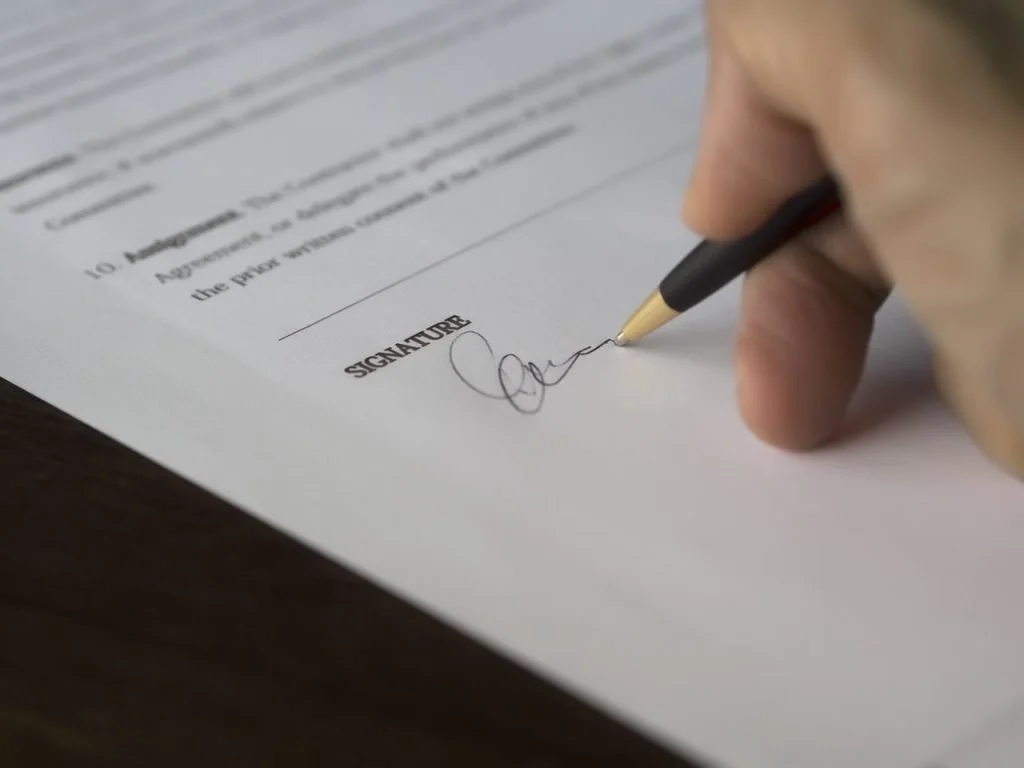
Fixed-Term Lease Termination
This one is easy, as the end of tenancy date is specifically agreed upon in the lease. There’s no need to provide a notice of termination of tenancy in this case. However, it’s courteous to provide a reminder to your tenant before the agreement expires.
Periodic-Term Lease Termination
Landlords retain the right to end a periodic tenancy. This can happen when a landlord or his relative wishes to live in the property.
Another reason would be if the landlord plans to sell the rental property, and the new owner will be moving in. In this case, the tenant cannot continue living in the rental unit. The new owner must also request the landlord to provide a written notice to the tenant for the end of tenancy.
In another situation, the renter would have to leave if the landlord wanted to convert the rental home into a non-residential unit.
If major renovations are in order and the rental unit needs to be vacated (for example, if the landlord is converting the property into a condo unit), then the tenant needs to be informed first.
A notice of ending a lease, in this case, should be given about a year in advance.
If the property job only entails repainting, changing the floor coverings or going through routine maintenance, this doesn’t fall in the ‘major renovations’ category. This is not considered a valid reason for breaking a lease in Alberta.
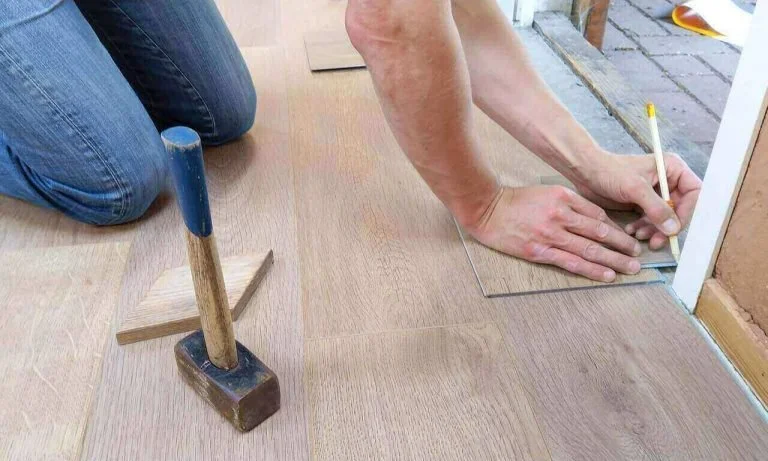
How to Break a Lease in Alberta
Fixed-Term Tenancy
As previously mentioned, there’s no required notice for a fixed-term tenancy, since the end date is already specified in the rental agreement. Continuing the lease after the end of the term is up to both the landlord and the tenant.
Periodic Tenancy
In contrast to a fixed-term tenancy, there must be a written notice provided by the landlord to the tenant (or vice-versa) if they wish to end the leasing agreement.
Here are details that must be included in the written notice to end tenancy:
The rental unit address must be stated.
The end of tenancy date must be clearly specified.
The notice must include the signature of either the landlord or tenant who provided the notice.
If you’re the landlord, you are required to outline the reasons why you wish to end the periodic lease.
Serving Period of a Notice to End Tenancy
What notice is required for terminating tenancy in Alberta? It depends on the party providing the notice. It also depends on the type of tenancy. Here are the periods to watch out for:
Week-to-week Tenancy
A notice of one week is considered adequate for both the tenant and the landlord.
Month-to-month Tenancy
If you’re the landlord, you’re required to provide 3 months’ notice to the tenant. A tenant only needs to provide a one month notice to end tenancy.

When to Serve a Notice
Notice for Ending a Week-to-week Tenancy
It’s required to give the notice on or before the first day of the weekly tenancy. The lease will then end on the last day of the week.
Notice for Ending a Month-to-month Tenancy
Tenants must give the notice on or before the first day of the monthly tenancy. After this, the lease will end on the last day of the month.
Landlords are required to give notice on or before the first day of the 3-month notice period.
On legal holidays, the due date will be moved to the following business day. For example, if the notice date occurs on September 7, that’s Labour Day. The due date is thus moved to September 8.
What Happens When A Rental Termination Notice Is Served Late?
You want to avoid serving a late rental termination notice when breaking a lease in Alberta.
If this happens, the effective date will also be moved. So, if you plan to sell your property or have your relatives use it, this will only happen at a later date.
Week-to-week Tenancy
If you serve the rental termination notice late to your tenant, then the lease end date will instead be on the last day of the following week.
Month-to-month Tenancy
This type of arrangement follows the same procedure as a week-to-week tenancy. If you serve the notice late to a tenant, then the end of tenancy date will be on the last day of the next month.

Serving the Move Out Notice
There are 2 ways to properly serve notice to end tenancy when breaking a lease in Alberta:
In person.
By registered mail. Tenants must use the mailing address given in the ‘notice of landlord’. As for landlords, they should use the mailing address of the rental property when sending an end of tenancy letter.
If the tenant cannot be found in the rental unit or if they’re displaying evasive behaviour, the landlord can opt to give the notice to another adult living with the tenant.
The landlord can also post the notice in a visible area of the rental premises to ensure that the tenant will not miss the information.
When giving a tenant notice to vacate cannot be done via the two methods above, it is possible to send the notice electronically. The recipient of the notice must be able to print a copy.
Tips to Prevent Tenant Damages to Your Rental Property
As a property owner, it makes sense that you always want your property to be in perfect condition, but that’s realistically impossible. When someone lives in a space, it’s inevitable that a reasonable wear and tear will occur. That said, at Sutton Property Management, we believe that there are smart methods that you can implement […]
As a property owner, it makes sense that you always want your property to be in perfect condition, but that’s realistically impossible. When someone lives in a space, it’s inevitable that a reasonable wear and tear will occur.
That said, at Sutton Property Management, we believe that there are smart methods that you can implement to prevent tenant-caused damages to your property.
Here are simple ways to better maintain your rental units:
1. Make sure your property is in topnotch condition.
If a tenant moves into a property that is in good condition, the tenant will be forced to adhere to that same standard, and to take good care of it. If your property looks disheveled, the tenant will not feel the need, or the motivation, to keep it in good condition. In their perspective, why should they care to maintain a property that they don’t own?

2. Conduct regular inspections.
As a property owner, if you exercise regular inspections, it shows the tenant that you are serious about prioritizing the maintenance and upkeep of your property. Also, consistently inspecting the property leads to positive outcomes. For instance, you can foresee any potential tenant damages to your rental unit. Then, you can take required action to ensure that it doesn’t further progress.
3. Ask for a security deposit.
Another way to help maintain your property is to charge a high security deposit. Security deposits enforce two things:
It reminds the tenants to maintain the property and keep it in good condition.
It serves as incentive. In order to secure the refund at the end of the tenancy, the tenant must keep the property in good condition. So, the tenant will be more cautious of treating the property well as he will want his deposit back.
4. Outline clear pet policies.
Although being a pet friendly rental widens your pool of prospective tenants, pets can cause damages. In order to prevent these damages, provide the tenant with a clear pet policy. In this policy, you can state which pets are acceptable, and which are not. Be specific by including pet sizes, breeds and amount of training required. Always ensure that the tenant is adhering to the pet policy. Agreements are useless if the tenant fails to follow the conditions.
5. Be thorough during tenant screening.
Tenant screening is a critical step that should not be overlooked. Be sure to screen the tenant thoroughly when assessing his background. During a tenant screening, you can look for the following:
Prior references from previous landlords
Any history of violence
Eviction records
Questionable behaviors that could potentially cause you undesired stress
By doing this step, you will get a better understanding of the tenant’s past. Oftentimes, a tenant’s past behavior can predict his future actions. This can help you prevent accepting tenant’s who will be more likely to cause damage to your property.

6. Check-in on long-term tenants.
Sometimes, when a tenant continues to renew the lease, property owners believe that they shouldn’t worry about inspections. However, the longer a tenant lives in your property, the more cautious you should be. The damage risk is higher in long-term tenants because they begin to become negligent. So, it is strongly recommended to continue exercising proper care and paying attention to the condition of your rental property.
7. Be selective with plants.
A well-maintained garden makes a property more attractive. However, when it comes to landscaping, you must be cautious of the type of plants you choose to have. For instance, some plants attract pests, which is not ideal. Also, certain plants require careful monitoring. For example, trees can absorb extra moisture and can create foundation problems. They can also cause major damage to roofs, gutters and windows. It is important to do your research before selecting the plants you decide to grow.
8. Engage professional cleaning services.
Hiring professional cleaners once or twice a year is a great idea. It will help keep your property maintained. Although cleaning costs can be pricey, they are worth it because they will thoroughly clean your property and protect it from damages and the usual wear and tear.
9. Encourage a strong landlord-tenant relationship.
Having a respectful relationship with the tenant is very important. This will allow you to feel comfortable communicating your expectations with the tenant in a clear and respectful manner. In return, the tenants should understand their duties and take good care of your property. Also, if there are any maintenance requests, they will have no worries communicating those with you. Addressing the requests early on results in lower expenses and prevents damages from escalating.
Conclusion
In the end, it’s important to communicate your standards with the tenant and set the example for them to follow. Consistent inspections also help track problems and ensure that you’re on top of any potential damages.
Choosing a quality tenants is also another option that can help you prevent property damages. Therefore, screen extensively. This will help you save money in the long run and keep you from having to go through an eviction process.
Lastly, to make your property more attractive and enhance its curb appeal, have great maintenance systems in place. You can never be too vigilant as your financial growth depends on how well you maintain your property.
Tips to Successfully Rent to Tenants with Pets
“Pets or no pets?” This is a question that many landlords in Alberta who are just starting out ask themselves. In Canada, a very large number of tenants own at least one pet. Additionally, the number keeps on rising year after year. In this article, Sutton Group will provide you with tips to make renting […]
“Pets or no pets?”
This is a question that many landlords in Alberta who are just starting out ask themselves. In Canada, a very large number of tenants own at least one pet. Additionally, the number keeps on rising year after year.
In this article, Sutton Group will provide you with tips to make renting to tenants with pets successful.
Benefits of Allowing Pets into Your Rental Property
Allowing pets into your property can provide you a number of benefits. First and foremost, it can help increase the demand for your rental. This is because of the sheer number of properties that allow pets.
Secondly, tenants with pets usually rent long-term. This is due to the fact that only a few properties allow pets. As such, tenants will likely stay longer as there aren’t as many options out there for them.
Thirdly, you may be able to attract responsible tenants. If someone is mature enough to care for their animal, there is a good chance they will accord the same respect to your property.
Things to Do If You Do Decide to Accept Pets
There are four important things that you should do if you want to be successful in renting to tenants with pets. You should:
Understand the different types of pets tenants may bring into your property. Common domesticated animals include cats, dogs, rabbits, guinea pigs, fish, birds, gerbils, hamsters, and small reptiles.
Decide which pets you will accept and mention that in your lease agreement.

Have clear rules in regard to which areas pets are allowed.
Remind the pet owners that they are responsible for caring for their pets and ensuring all their needs are taken care of.
Tips for Accepting Pets
Now that you are ready to accept pets into your property, the following are some things you should consider doing to make it a success:
Tip #1: Charge a higher rent.
Landlords can charge more rent if they allow pets. In fact, landlords who allowed tenants to keep pets earned an extra $222 a month on average as compared to landlords that didn’t allow them.
Landlords who didn’t mind large-breed dogs earned an extra $100 a month on average over those that had enforcement on weight restrictions.
Of course, the extra income will vary depending on an area’s demand and supply.
Tip #2: Consider charging a pet fee.
Many landlords that allow pets usually impose an extra fee on top of the usual security deposit. Such landlords reason that pets will usually add wear and tear to the unit. Before implementing such a policy, it’s important to understand a few important things first.
To begin with, landlords in Alberta are permitted to charge a non-refundable pet fee on top of the security deposit.

Secondly, the pet fee must be reasonable. That is, between the range of $200 and $300 per year.
Tip #3: Require proper vaccinations, licenses, and identification.
Ensure that your tenants know that their pets must wear proper identification tags, which should include proof of vaccinations.
Tip #4: Only allow pets that you have approved.
This is a mistake that many landlords usually tend to make. They allow pets but forget to screen them.
Before approving a certain type of pet, the following are some questions you could ask:
What type do you have?
How long have you had them?
Who will care for your pet when you go away on business or vacation?
May I contact your current landlord to discuss your pet further?
Did your pet cause damage at your current address? If so, how were the damages handled?
How do the animals get along with other people or animals?
Has the pet undergone any obedience training?
Has the animal been neutered or spayed?
Finally, tell your tenant that your approval is conditioned upon their continued compliance with the terms of the pet policy.
Tip #5: Provide a pet-friendly space.
There are some practical steps you can take to make your property as pet-friendly as possible. Here are some of them:
Opt for aluminum fittings instead of wooden ones
Ensure any water features are safe for pets
Remove carpeting and replace it with tiles
Add feeding stations and other pet-friendly amenities
Add pet-friendly finishing in your unit
Install pet-friendly floors
Tip #6: Inspect the property regularly.
Regular property inspections are key to running a successful rental property in Grande Prairie, especially if your tenant owns a pet.
Tip #7: Make common areas and units allergy-friendly.
The following are some tips to help you in this regard:
Always clean your air systems when a tenant vacates the unit.
Check and clean HVAC systems in areas that have high humidity to prevent mold growth.
Install ceramic, linoleum, or other flooring option that’s sealed and easy to clean.
Consider using acrylic paints or washable oil on the walls. Avoid absorbent materials like cork or wallpaper.
Make sure all holes in walls are sealed immediately behind the faceplate to prevent air leaking out.
The Bottom Line
Allowing pets in your Grande Prairie, Alberta rental property is a great way to minimize vacancies, as a lot of tenants own pets. Just ensure to protect your investment by having a great pet policy.
Should I Rent My House Furnished?
Landlords in Grand Prairie, Alberta must regularly decide whether or not to furnish their rental properties. Some tenants prefer a furnished unit while others prefer to shop for furnishings on their own. There is no hard and fast rule governing the provision of furnishings, and it is completely up to the owners. However, it does […]
Landlords in Grand Prairie, Alberta must regularly decide whether or not to furnish their rental properties. Some tenants prefer a furnished unit while others prefer to shop for furnishings on their own. There is no hard and fast rule governing the provision of furnishings, and it is completely up to the owners.
However, it does help to assess your target market initially by asking yourself the following questions:
Is your demographic families who intend to stay long-term?
Is it young professionals?
What type of rental unit do you own?
Is it aimed for short-term or long-term stays?
These questions will guide you in deciding if you should or shouldn’t furnish your rental property.
Furnished units
There are advantages and disadvantages to furnishing your property with furniture and appliances.
Pros:
Complete package
Tenants do not need to worry about additional spending as there are already appliances and furniture ready to be used. It is more comfortable than having to fill vacant spaces and plan additional purchases. Tenants can focus on paying for utilities and settling into their new environment instead.
Higher rent
Since everything is provided, landlords can demand higher rent to allow for maintenance and wear and tear of furnishings. It is also a way for owners to recoup their expenses from buying the furnishings.

Maintenance, cleaning, and replacement are required when you have furnishings. This is the main reason owners can set their rental price at a higher rate compared to an unfurnished unit.
Tax benefits
A landlord can list the furnishings under deductible expenses to lessen their tax payment. This can include the price of the replacement item and the costs of disposing the old item. This saves landlords money and acts as an incentive to furnish their property.
Quick occupancy
Many prospective tenants prefer the convenience of having a fully furnished home and not having to spend money and time buying furniture themselves.
When the lease ends, there is an option to keep furnishings
Once a tenant vacates your rental property, you have the option to move the furnishings to your own home, or you can let the next occupants continue to use them. If you have multiple properties, you can shuffle the furnishings around to suit the tastes or needs of the next renters.
Cons:
Damage
At times, some tenants might be negligent of the furnishings since the expenses do not come from their own pockets. Moreover, furnishings that have seen several turnovers are used more frequently, resulting in continual damage. When furnishings get damaged, you will be spending more time and money replacing or repairing them.
Storage of items
If a tenant decides not to use your furniture or appliances, you need storage to keep your furnishings (which may be an additional expense for you).

This is something to take into consideration when your property is furnished.
Short-term rentals
Most furnished units are designed for short-term stays and quick turnovers. Vacation homes in particular are furnished and marketed to tourists. This puts constant pressure on landlords to keep marketing their property.
Maintenance costs
Over time, furnishings need maintenance and cleaning, and this is another expense a landlord has to set a budget for. You also need to consider homeowners’ insurance in case furnishings are stolen or destroyed by a fire, hurricane, or other fortuitous events.
Wear and tear costs
There is always a wear and tear cost associated with furnishings, especially when they have been used over a long period of time. A landlord must budget for replacements of old items affected by continued usage.
Unfurnished units
There are advantages and disadvantages to leaving your property largely unfurnished.
Pros:
Longer stays, less tenant turnovers
If a tenant has invested time and money to furnish their rental unit, then staying will be a logical decision. Unless there are major changes, a tenant will opt to stay long-term because moving is more costly for them (as they will have to move furnishings and hire a moving truck).
Also, the furnishings purchased are selected to match the current space. Moving into another rental property may force them to leave some furnishings behind. This constitutes a hard decision for a tenant who has spent a considerable sum to curate the furnishings of the rented home.
Tenants’ sense of home
When a tenant buys their own furnishings, they feel more at home living in your rented property.

After all, they chose their own furniture and it is in the style and taste they prefer.
Insurance savings
You are not required to insure any furnishing if a tenant uses their own. You can direct your insurance savings to other investment projects.
No wear and tear concerns
Issues about normal wear and tear can be avoided. Landlords can focus on renovation projects to add market value to their property instead of worrying about wear and tear costs.
Less maintenance
You save time and money from monitoring the damage of your furnishings. You can focus on maintaining the exterior and interior of your property instead. Additionally, you do not have to continually document and inspect your furnishings. This will save a landlord from stress and possible conflict with a tenant, as there is no need to keep reminding the tenant of their responsibility to keep the furnishings in good condition.
Cons:
Cheaper rent
Unfurnished units are priced cheaper; thus, landlords will make less revenue compared to a furnished unit.
Uncertainty
When a tenant installs his or her own furnishing, a landlord will not have control over the size and material bought by the tenant. This lends uncertainty to the owner concerning whether the furnishing will cause damage to the property. For example, heavy vintage furniture might leave scuff marks on the floor.
Bottom line
Before you decide to furnish your rental property, take into account your target market/demographic.
Will it match their needs?
Families might have furnishings on-hand from frequently moving, whereas young professionals might prefer furnished units as they are starting out and do not have many furnishings. Always evaluate your situation to avoid unnecessary spending.
If you think a professional property management company can help guide you through this process, contact Sutton Group today!
Landlord-Tenant Laws in Alberta
As a property owner, it’s important to know the rules in Alberta before you rent out your property. The same goes for any tenant who rents out a property in Alberta. A landlord may want to know what your rights and responsibilities are as a landlord and tenant. You may also want to have an […]
As a property owner, it’s important to know the rules in Alberta before you rent out your property. The same goes for any tenant who rents out a property in Alberta. A landlord may want to know what your rights and responsibilities are as a landlord and tenant. You may also want to have an overview of the most important rules to abide by.
So, for all Alberta landlords and tenants, this article will provide you with information regarding just that.
Written or Verbal Agreement
Before a renter moves into an Alberta property, they need to sign a residential tenancies act. This is basically the lease or rental agreement containing all the information that each party needs to abide by. This residential tenancies act or lease can either be written or verbal, but it is always better to have everything in writing in case one of the parties breaks any of the terms in the rental agreement.
If the residential tenancies agreement is verbal, it will not go too far in court if anything were to occur. In Alberta, the lease or residential tenancies agreement can be a fixed-term or periodic, as long as both parties agree with what they are signing.
Fixed-Term Agreement
A fixed-term agreement will begin on a certain day and will end on a certain day.

As part of their rights and responsibilities, tenants in Alberta will have to move into the rental premises on the day of the contract and will have to move out on the day the contract ends. The tenancy will end when the agreement date ends. No notice will be required for this.
Periodic Tenancy Agreement
A periodic tenancy agreement has an open-end date but a firm move-in date. According to the regulations, the landlord and tenants can end this agreement by giving appropriate notice. There is no one periodic tenancy agreement, which means that this type of contract can go year-to-year, month-to-month, or week-to-week. It all depends on what each party agrees on.
Who Can & Cannot Stay on the Property?
It’s important to only allow renters who are registered on the rental agreement to stay at the Alberta property for a long period of time. The tenantscannot allow another person to live at the residential property they are paying rent for without discussing with their landlord.
It’s also for health and safety reasons. Depending on the situation and if the renter has unauthorized tenants living at the property, the landlord may have the authority to provide that person notice to leave the Alberta property.
Security Deposits
In most cases, property owners may require a security deposit (often referred to as a damage deposit) from his or her tenants. This is to ensure that if there is any damage to your Alberta property from the new tenants that this deposit will help cover the cost of repairs.

A renter should not pay more than one month’s rent as their damage or security deposit. A crucial piece of information to remember is that the property owner cannot increase the security deposit even if they increase the rent.
Property owners in Alberta must put the security or damage deposit in a trust fund within two days of collecting it.
Upon a move-out, the Alberta property owner must return the security or damage deposit in full if no rent or other costs are owed on the contract. Moreover, this is also the case if there is no damage that is done on the property, aside from normal wear and tear.
Wear and tear on a rental property is deterioration that occurs over time by renting out the property. Tenants in Alberta must make sure that the property is in good standards upon leaving and that it is also clean. For more information about the difference between normal wear and tear and property damage in your Alberta property, click here.
Responsibilities of Landlords and Tenants
Alberta landlords and tenants, you have your own unique rights and responsibilities.
We will provide you with a list of those responsibilities here:
As a tenant renting in Alberta, it is up to you to:
Pay rent on time every month or whatever you and your property owner agreed on.
Be considerate about other people living in the rental premises (especially in common areas) if applicable and of the landlord’s rules.
Not perform any illegal acts on the property.
Keep a clean rental property that’s in good standards according to the health and safety regulations.
Not use the property for business purposes unless the property owner has given you permission.
Move out on the agreed date in the lease terms.
Abide by all the rules in the agreement between the landlord and tenants.
As a property owner in Alberta, you are responsible for:
Making sure the Alberta property is ready for the move-in-date for the renter(s).
Providing the residential tenancies act before tenants moves in.
Ensuring you provide a clean rental property that is up to health standards.
Do not bother tenants and contact them with a proper notice if you need to visit the rental property.
Make sure the rental premises are livable throughout the whole period the tenant(s) are renting from you and conduct any necessary repairs.
Contact your tenants with written notice of the landlord within 7 days after they have moved in.
If necessary, conduct evictions in proper accordance with the laws.
If you’re a residential property owner in Alberta and don’t think you have the time to take on these responsibilities, we may be able to help! A professional property management company like us can do all the tasks for you.
We follow the Alberta landlord-tenant laws as well as the Alberta Human Rights Act to ensure a smooth legal process. As a professional property manager, we would be happy to provide you with peace of mind. If you have any questions about your rights and responsibilities under landlord-tenant laws, contact Sutton Property Management today!
5 Easy Ways to Get More Rent for Your Grande Prairie Home
Grande Prairie is a popular destination for visitors and a top choice for residents. It offers great shopping, entertainment, and world-class recreation facilities. There’s a wealth of activities to choose from summer to winter season. You can go hiking, biking, and even ride ATVs during sunny days. When winter arrives, the area transforms into a […]
Grande Prairie is a popular destination for visitors and a top choice for residents. It offers great shopping, entertainment, and world-class recreation facilities. There’s a wealth of activities to choose from summer to winter season. You can go hiking, biking, and even ride ATVs during sunny days. When winter arrives, the area transforms into a winter playground. People take advantage of the outdoor rinks for skating and also go on fun snowmobiling adventures.
The city is also abundant in terms of recreational hubs such as Eastlink Centre, Bear Creek Outdoor Pool, Museum, Montrose Cultural Center, and Indoor Soccer Pitch. There’s also the Grand Prairie Live Theatre where plays, concerts, and movies are held. Other facilities that serve as cultural hubs are the Grand Prairie Public Library, Art Gallery of Grand Prairie, and the Centre for Creative Arts.
Grand Prairie, Alberta has a diverse and welcoming community that makes moving an easy decision. If you have a Grand Prairie rental property, here are 5 easy ways to get more rent for it:
1. Quality Amenities
One way to attract quality tenants in your Grand Prairie home is to offer quality amenities. You can update your appliances and continually improve and renovate your space. Tenants like stainless steel and granite marble tops in the kitchens, for instance. The advantage of putting quality finishes in your property is that they are durable. No matter how many tenants have inhabited your unit, if you designed it with quality in mind, replacements will be minimal.
Granted you don’t have to frequently spend on top of the line appliances, you can always buy the middle of the line products. They’re more affordable and user-friendly. One benefit to newer appliances is they’re also energy efficient which reduces utility bills. If tenants are able to save, this is an incentive for them to stay longer in your rental property.

If there are repairs and replacements that need to be done, a landlord should take care of these right away. It creates a good impression on the tenants and it also assures them of your reliability as a landlord.
2. Paint the Interior and Exterior of the Property
A home is more attractive when it has a fresh clean look. If need be, try to repaint the interior and exterior of your Grand Prairie home. Choose a neutral palette so it will match whatever furnishings a tenant may bring. If you stick to a solid color and there’s a minor repainting that should be performed, it won’t cost you very much.
An attractive place will draw potential renters to your unit. It will also motivate the existing clients to stay. They will accept a small rent price increase because they’ll see how well maintained your space is. They won’t hesitate to renew their lease because you’re constantly enhancing the home’s value through renovations.
A fresh paint tone also makes a home appear bigger and exudes a feeling of lightness and warmth. Tenants will feel cozy at the inviting atmosphere of your property. It’s also a good idea that professionals will perform the paint job. An even and clean coating elevates the property’s attractiveness. If the paint job is poor and messy, it will affect the look of your property even if it’s well constructed. If you can afford it, make sure experienced contractors handle the painting job.
3. Professional Cleaning
Professional cleaners can perform a thorough job since they have invested in the proper equipment. They also have the cleaning tools and ingredients to resolve any dirt issues.
Their cleaning expertise will leave your property smelling great and looking spotless in no time.
When you show your Grand Prairie home to prospective renters and they see that the unit is clean and smells good, they’ll more heavily consider renting. Even if the price is a bit higher, they’ll feel like the place is worth it. Your senses will naturally opt for where you’re more comfortable and a well-cared-for unit speaks volumes.
4. Tidy the front
The exterior of your Grand Prairie home matters a lot. It’s the first thing a prospective renter will notice. For this reason, it’s proven to be one of the best ways of getting your property ready to rent.
Make it more attractive by developing a curb appeal. You have to mow the lawn and trim the edges of the overgrowth in the pathway and driveway. If there are fences, they must stand straight and be in a good condition. The driveway must be clean and the garden must be tidy. It’s also recommended to maintain some decorative plants and plant flowers to beautify the surroundings.
A good landscaper can enhance the exterior of your property. If you have some water features such as a pond, make sure they’re clean and look well maintained as well. Tenants will frequently judge on what they see first and so tidying your front yard is a good strategy.
5. Incremental Annual Increase
Raising your rent, a little each year is a good practice to avoid surprising your tenant with a large increase. Make sure to keep it below 10% and perhaps add only between 1-3%. Sudden spikes in the rental price could turn off tenants and could result in them finding a new place to live in.
Notify your tenants about your plans for property improvements in your Grand Prairie home. If tenants can see that proper maintenance is being done and worth the raise in rent then they wouldn’t question the rent increase.
As long as your Grand Prairie home has great property features, an increase in rent is comprehensible. When the market is in an upturn and demand is high, naturally, rents are higher. As long as it is priced competitively then you can optimize your profit by raising the rent a bit each year.
The Bottom Line
The aforementioned were 5 ways to get more rent for your Grand Prairie home.
If you think you need a property management company to help guide you through this process, don’t hesitate to contact us at Sutton Group.