

Property Management Blog
How to Make the Ultimate Video Walk Through Tour
There are several ways to advertise a rental property and attract prospective tenants. One of the trendy and effective ways to do so is to create a video walk through tour of the unit! These virtual tours provide a glimpse of your rental unit for prospective renters. Not to mention, these videos also make sense […]
There are several ways to advertise a rental property and attract prospective tenants. One of the trendy and effective ways to do so is to create a video walk through tour of the unit!
These virtual tours provide a glimpse of your rental unit for prospective renters. Not to mention, these videos also make sense during a pandemic because you can promote your rental home without violating social distancing guidelines.
But how do you go about making a virtual tour? In this post, we give you tips on how to make the ultimate video walk-through tour.
1. Make a Plan
A video tour should look natural, but that doesn’t mean you should start filming on the fly. Instead, take some time to plan your video walk through tour. You can break the planning stage into two phases:
1. Make a list
List every room in your rental home and take note of what you will focus on in each room. A detailed list will lower the chances of error and save precious time when you record the tour.
2. Highlight the best features
To attract tenants, you need to focus on the features that set your property apart from the competition. These features can be appliances, furnishings, views from the balcony, or a spacious backyard.
So, find the home’s best features and strategically display them in the tour to pique the prospects’ interest.
2. Give Your Home a Touch-Up
Before filming the video tour, you should clean up the rental property.
The purpose of a virtual tour is to help people imagine what it would be like to live in the property. So, you want your property to look attractive and neat. Remove clutter and unnecessary items from the rooms, such as tools, stacks of old newspapers, cardboard boxes and more.

You can also add some plants near the window or some toys in the children’s room.
In real estate jargon, this is known as staging your property. These tweaks will make your rental property appear more attractive.
You may also consider hiring a cleaning company. Professional cleaners have the tools to make your property spotless in a few hours.
3. Set Up Your Recording Equipment
Once you make a plan and stage your property, set up your camera and tripod to start filming. You can shoot with a handheld camera, but tripods keep the shots stable and prevent shaking.
Level the camera on the tripod before you start shooting and adjust the perspective to achieve the best video quality.
Film in the landscape format because the horizontal frame provides a wide, cinematic appeal. Plus, the landscape format is compatible with most video streaming platforms, such as YouTube.
4. Test Your Equipment
Once you have adjusted the settings on your camera, take a few test shots and gauge the results. Consider the following:
Lighting
The trial shots will show you how good or bad the lighting is. See how dim or bright each room looks. For the best results, shoot in natural lighting. But if you have to shoot at night, make sure you have adequate indoor lighting. Otherwise, even the best features of your home will appear blurry or dim.
Clutter
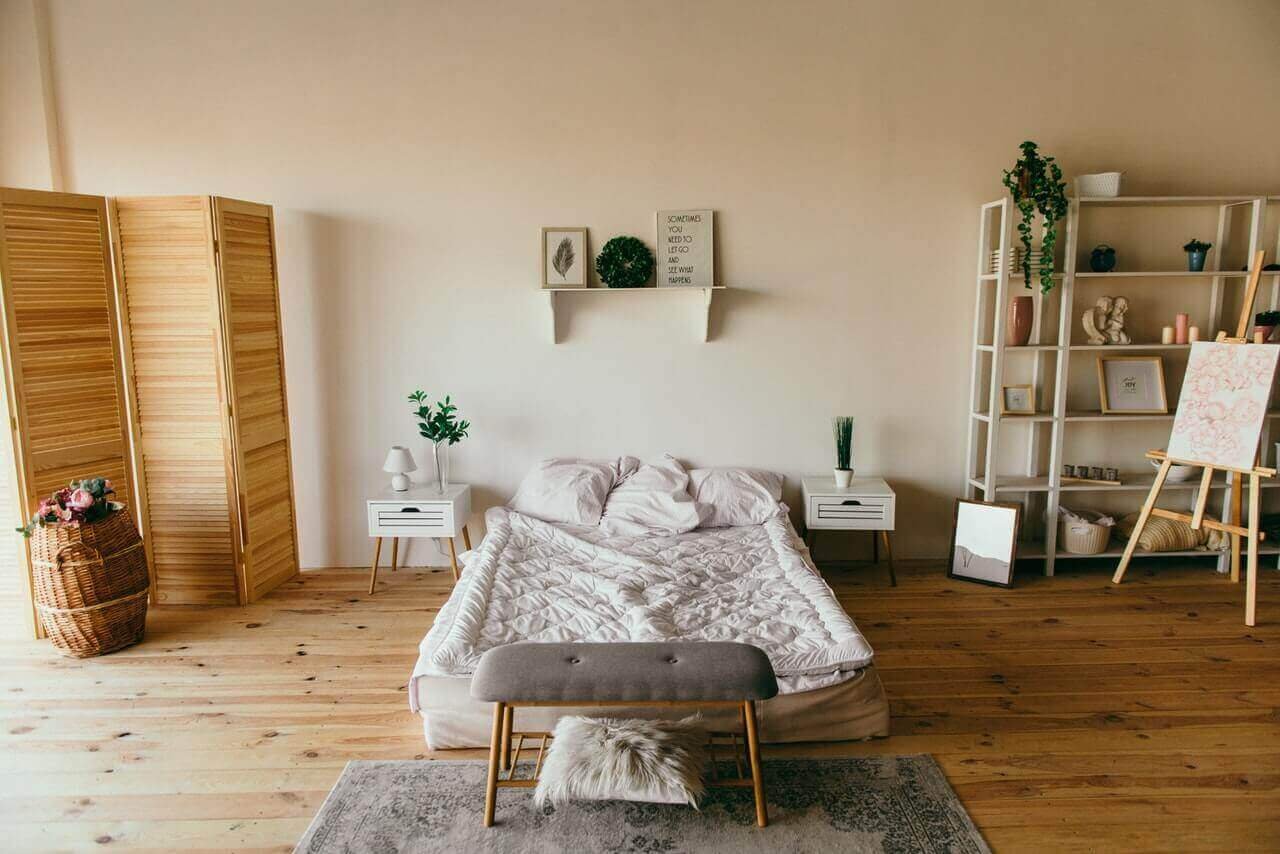
A clean and well-arranged living space will attract renters more than clutter. So, review your trial shots and see if there is any clutter or distraction that can take away from the design and amenities of the rental unit.
Reflection
Check the shots to see if there is any reflection from windows, mirrors, or other glass and metallic surfaces. Reflections can make for a poor viewing experience and makes the video appear unprofessional.
Overcoming these minor hurdles will set you up for filming in no time.
5. Start Shooting
With the preparation taken care of, you can start recording the tour. Keep your list handy, so you don’t miss anything important while filming. Also, take your time to capture each room. You can always shorten the footage during the editing process.
In terms of audio, you can record your voice while filming or do a voice-over later.
6. Edit Your Video
Once you have recorded all the video clips, it’s time to edit them together. Some of the best video editing software for real estate include:
Video Creek
iMovie
Splice
Magisto
Review the footage and edit the following:
Voice: Now is the time to use a voice-over on the video. You can also add some generic music.
Color Grading: Color grading helps to enhance the property’s features and retain the viewer’s interest.
Length: Check for the length of each clip. Try to stay consistent with the time you spend in each room. It should be long enough to cover all the details, but avoid it being too long or repetitive.
7. Post Your Video
After you edit the video, the final step is to post it! You can upload the video on your YouTube channel, website, real estate portals, and social media pages. Just make sure to leave your contact details at the end of the video or in the description.

Bottom Line
Video walk through tours are a great way to market your rental property!
In the end, remember that video tours aren’t a replacement for your traditional property marketing techniques, such as property photos and property descriptions. However, videos can enhance your overall advertising strategy.
For more information, reach out to Sutton Property Management today. We’ll be more than happy to further guide you in this regard!
Reasons to Invest in Grand Prairie Real Estate
Are you planning to invest in Grand Prairie, Alberta properties? Every single property investment carries a future potential. Under favourable circumstances, monthly rental income isn’t the only benefit. You may be able to reap the benefits of home value appreciation rates as well. Finding the right real estate market for a lucrative purchase is challenging. […]
Are you planning to invest in Grand Prairie, Alberta properties?
Every single property investment carries a future potential. Under favourable circumstances, monthly rental income isn’t the only benefit. You may be able to reap the benefits of home value appreciation rates as well.
Finding the right real estate market for a lucrative purchase is challenging. However, Grand Prairie, Alberta has a promising real estate market. The local economy and the rental demand makes this area a solid option for investors.
In the following paragraphs, we are going to list the top reasons to invest in the Grand Prairie area properties. You’ll learn about the major contributing factors to high-ROI investments in this part of the province.
1. Solid Economy
One of the top reasons to invest in Grand Prairie is its dynamic economy.
The City of Grande Prairie is the hub for a regional service centre that covers a population of close to 280,000 people. Moreover, this city is part of the CANAMEX trade route that links Canada, the U.S., and Mexico.
The strongest economic markets in Grande Prairie include forestry, oil, agriculture, and gas. Since the locals embrace innovation and entrepreneurship, new companies get established and begin hiring all the time.
A major part of the economy relies on the region’s rich natural resources. From agricultural land to natural gas, the reservoirs show no sign of depletion in the coming times. The circumstances create a favourable economic climate for real estate investors.
2. Retail Hub
The city of Grand Prairie has undergone a major retail spending boom and overall growth.
Grand Prairie has shown an outstanding boost in the retail sector. These developments provide a solid pillar for real estate investments.

3. Long-Term Potential of Continuing Rental Demand
Entering the market at the right time is important. Grande Prairie has become quite an affordable market for renters in recent times. However, combining the decreased average monthly rent with economic strength signifies long-term potential.
You may enter the market when the real estate is a bit cheaper and the rent income is satisfactory, but it’s highly likely that you’ll see considerable growth in the long run.
4. Shopping Destination
Many people appreciate living in areas that don’t require long commutes for shopping. Grand Prairie provides ideal conditions for such demographics. The local mix of shopping opportunities has it all!
The shopping experience is on such a level that people from neighbouring province’s make their way to Grand Prairie. After people have finished their purchases, they’ll want to spend more time in the city and explore its surroundings.
This is exactly why you won’t be restricted to regular long-term lease agreements. Executing a smart strategy means that you’ll be able to capitalize on the potentially lucrative approach of marketing a short-term rental property.
5. Outdoor Recreation
Grande Prairie is an attractive place to live in terms of outdoor recreation opportunities as there are many things to do. The city has a number of parks, trails, and playgrounds. There’s something for everyone, including families with children.

Here are some of things to see:
South Bear Creek Park: This park has many attractions and amenities. The off-leash dog park is perfect for your four-legged family members. Beach volleyball courts, disc golf course, and the Bear Paw Par 3 golf course provide excellent options for a sporty time off. Additionally, there is a beautiful pavilion on the premises.
Muskoseepi Park: The Muskoseepi Park is located in the heart of this city. Covering an area of over 1100 acres, the park offers a variety of things to do. For instance, you can enjoy lawn bowling, fishing, basketball, mini-golf, hiking trails, and spray park. You can also find the Grande Prairie Museum & Heritage Village.
6. Wide Variety of Areas
As an investor, there are many areas you can invest in in Grand Prairie. Here are some of the top neighbourhoods you may consider investing in:
Trumpeter Village
The community of Trumpeter Village is a stellar neighbourhood in Grand Prairie. While residents are never far from urban amenities, they can also enjoy the family-friendly lifestyle in the quieter area. Trumpeter Village has everything near-by, including theatres, shopping malls, and recreation centres.
Crystal Landing
Located on the city’s booming east side, the master-planned community of Crystal Landing has tree-lined streets and several parks. The quiet location offers a chance to walk around and enjoy the 8-acre wetland in the area. The community isn’t far away from numerous excellent public schools.
Westpointe
If you are considering Westpointe as a neighbourhood to invest in, keep in mind that townhouses and single detached homes are the main housing types in the area. Around one-third of the community’s dwellings are renter-occupied. Most of the primary and secondary schools in Westpointe can easily be reached on foot.
Bottom Line
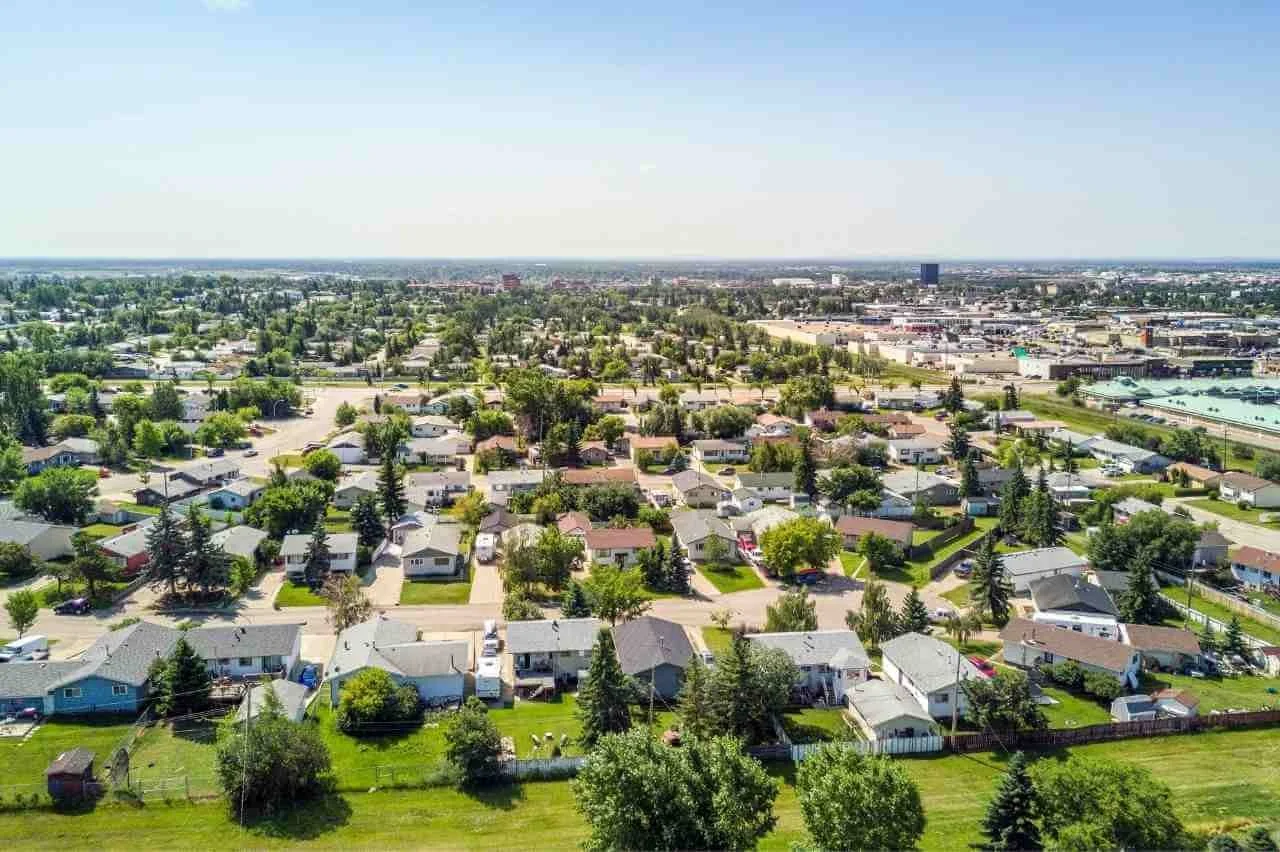
Grand Prairie has gained significant investors’ interest in recent years. The city has a successful and diversified economy. All of that financial activity creates new jobs and demand for rental properties.
You also have many communities to choose from, such as Crystal Landing, Westpointe, and Trumpeter Village. Etch out your investment plans and evaluate the potential cash flow of different Grande Prairie areas to find the right match for your financial goals.
For more information, contact Sutton Group today.
Showing a Rental Property with Tenants
As a landlord, your livelihood lies on whether your rental property is occupied. However, sometimes you may need to find new tenants with current ones still residing. It’s more challenging to handle property showings when your rental unit is being lived in. Navigating this requires great negotiation skills with the current renters. You also need […]
As a landlord, your livelihood lies on whether your rental property is occupied. However, sometimes you may need to find new tenants with current ones still residing. It’s more challenging to handle property showings when your rental unit is being lived in.
Navigating this requires great negotiation skills with the current renters. You also need to find ways to get them to cooperate with your plan. Some tenants may not be open to the intrusion on their privacy. But when your leasing agreement stipulates this condition and they signed the contract, you should have no problem showing the unit to prospects.
Positives of Property Showings with Tenants
The great things about pushing through with property showings even when tenants still occupy your property are the following:
Consistent rental payments
You’ll avoid the payment interruption and won’t subject yourself to taking the maintenance expenses from your savings.
Seamless transfer of names on the utility bills
If there’s a gap between tenants, the utility bills will be changed to your name. Afterwards, you’ll need to transfer it to the new tenants when you find suitable ones.
Homes displaying furnishing look better than empty units
Prospects don’t have to imagine how the rental space will look like when it has furniture. Thus, furnished units tend to be more attractive and rent out quicker.
Negatives of Property Showings with Tenants
The downsides to showing a rental property with tenants are the following:
The rental space can be messy
Owing to the fact that the unit is occupied, you have less control over its appearance.
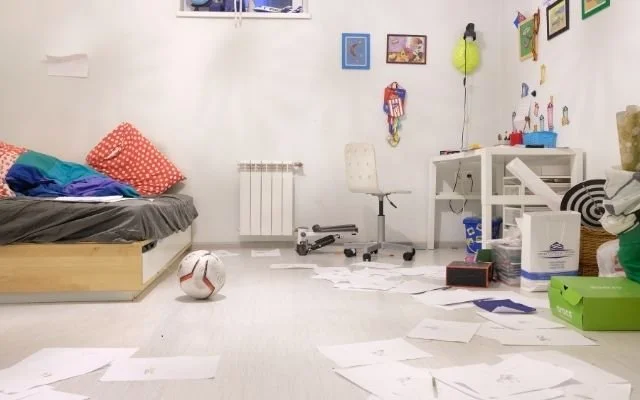
It can be in complete disarray, leaving the prospects unimpressed.
Repairs and property improvements need to be performed
Since you haven’t conducted the final walkthrough yet, damages can still be present. You’ll be showing a less-than-perfect rental home in the eyes of potential renters.
Current tenants may be uncooperative
Due to the nature of moving, the current tenants may be completely swamped with tasks. They may not have the free space to schedule the property showings. They might also not be comfortable showing their private space to strangers.
Tips for Showing a Property with Tenants
1. Set a reasonable schedule
Avoid scheduling the property showing too early. Who wants to crawl out of bed so early to let prospects look around their rental home? Remember that your tenants also need to rest, especially with their imminent move on the horizon.
At the same time, never schedule a property showing too late. The tenants may be catching up on rest or prefer not to be disturbed at late hours.
Strive for common ground. Better yet, allow your tenants to choose the appropriate time for them. It shows you respect their time and you’re working on creating the best schedule for their convenience. You can even show them different schedules so it’s easier for them to pick a designated period.
2. Send prior notice
Avoid conducting property showings without giving your tenants a notice. This shows you respect their privacy. As current renters, they have a right to quiet enjoyment. Send reminders in case the tenants forget about the showing prior to the day itself.

Some tenants will choose to be around on the property showings, while others prefer not to be there. Whatever your tenants’ preference, send a notice. It’s best to attach a list of the property showing schedules for the day or the week. It will help them manage their own schedules.
3. Communicate with tenants
Talk to your current tenants sincerely. Be open about wanting to avoid an income gap. Be upfront about needing cooperation. Find ways together that make property showings convenient for both of you.
When you’re able to articulate your perspective as a great landlord, you stand more of a chance of meeting your goal. At the same time, inform the tenants that you can achieve your purpose better with support from their side.
4. Show appreciation
Since you’ll need your tenant’s cooperation, provide them with little incentives. It shows your gratitude for their time.
Show how much you appreciate their support by giving convenient, useful gifts. It will make them feel that you value their support. Thus, they’ll likely be more cooperative.
Providing financial incentives are also welcome. You can reduce their last month’s rent or make it free. Renters will do their best to get your rental unit quickly occupied by keeping the place more organized. They’re also likely to allow interruptions to their day for the property showings.
5. Practice courtesy
Always be mindful of your tenants. Property showings can disrupt the flow of living. Therefore, be polite and create a schedule that’s amenable to both of you.
Be conscious of the time. Always ask for favorable periods for property showings. Show respect for your tenants’ time.

It’s best to not overload the week with too many property showings. If the tenant is away, showing prospects to the rental home more frequently is acceptable. Be smart and respectful when designing a schedule for property showings.
6. Request properly when asking the tenant for support
Showing the rental property is better in a clutter-free setting. Since your tenant still lives in the unit, this can be challenging. You have little control so you need to request kindly for your tenant’s cooperation. Ask them to:
Keep their pets in a cage
Having a pet can frighten off new prospects, especially when loud barking greets them at the door. It helps to keep the dog, or any pet, away during property showings. You need to enlist your tenant’s help for this.
Tidy up
A more organized home can entice prospects to apply for the rental. If your tenant is naturally drawn to cleaning, then this presents no problem. However, if this is too much to ask, you can always arrange a professional cleaning. It will unburden your tenant, especially one who’s busy packing up belongings.
Bottom Line
Initially, it might seem challenging to conduct property showings while your rental home is still occupied. However, simply being more honest with your tenants can help solve this dilemma. You just need to honor their privacy and be polite while attending to the property showings.
It might also help make it easier if your leasing agreement contains specific conditions. You can state your right to conduct property showings when the tenant opts not to renew the tenancy. If you have any inquiries regarding this post, contact Sutton Property Management today and we’ll help you from every angle of the rental investment business.
9 Ways To Be a Great Landlord
Did you know that great landlords attract great tenants? You see, landlording is a service industry. You are providing services that a tenant pays for. So, as a landlord, it’s in your best interest to treat your tenants as customers. Broadly speaking, landlords take up to forty hours to find a replacement tenant after eviction […]
Did you know that great landlords attract great tenants? You see, landlording is a service industry. You are providing services that a tenant pays for. So, as a landlord, it’s in your best interest to treat your tenants as customers.
Broadly speaking, landlords take up to forty hours to find a replacement tenant after eviction or other exit. The leasing process includes doing certain things such as property advertisement, apartment showing, tenant screening, and lease signing.
However, you’d be able to avoid all that if you rent to a good tenant. Good tenants pay rent on time, rent longer, and are generally low maintenance. In the course of a year, a good tenant can save you an enormous amount of time.
Getting and keeping a great tenant isn’t rocket science. All you have to do is be a good landlord. If you view your tenant as your customer, you’ll do everything to ensure they are satisfied with your services.
So, what exactly do you need to do to become one? Well, below are 9 tips to help you in that regard.
Tip #1: Help your tenant to adjust quickly.
Oftentimes, a new tenant will be moving in from a different town. So, to help them settle down quickly, try giving them an insider’s look of the town. You can do so, for instance, by giving them a printout of the map of the area.
Additionally, consider writing your new tenants a welcome letter. Doing this can be a great start to building a solid relationship with them. In the letter, make sure to mention how happy you are that they are your tenants.

You can also use that opportunity to let them know of any special instructions there may be. For example, contact info for utilities, or when trash pickup is usually done.
Lastly, consider stocking their bathrooms. Moving can be an extremely stressful event. As a matter of fact, some studies have ranked it up high together with other life stressors, such as divorce. Stocking their bathrooms with toilet paper, a soap dispenser, and an all-purpose cleaner can be a great gesture.
Tip #2: Look and be professional.
One of the first step to doing that is by dressing neatly. This is especially critical during the early beginnings of a tenancy. By looking clean and tidy, tenants will usually assume that you’re responsible and will take your rental business seriously.
But, of course, as the months go by and tenants get to know you, this will become less and less important.
Next, observe the terms of the lease or rental agreement keenly. When your tenant has a problem, always check what is outlined in the lease agreement. Remember, the lease is a contractual agreement. If you do anything contrary to its stipulations, there might be repercussions.
Tip #3: Handle disagreements/conflicts like the pro that you are.
Disagreements between landlords and tenants aren’t uncommon. If you ever find yourself in one, make sure to remain calm. The last thing you’d want is appearing on a YouTube video titled, Crazy Landlord.
As a general rule of thumb, never swear or yell at your tenant. Also, please note that using threats or withholding some of your tenant’s rights is illegal. Remember that your tenant is like your customer.
Tip #4: Be accessible to your tenants.
Your tenants will ultimately want to communicate with you. As such, make sure that you offer them access to all your communication channels, such as email and phone.

Ideally, make sure you state which channel should be used for urgent matters and which one is open for non-urgent matters. In the same breath, make sure to also state what problems fall under urgent matters and which ones do not.
What’s more, be sure to respond quickly when a tenant calls or emails you. Remember, quick business etiquette calls for a quick response.
Tip #5: Go through the lease with them.
This is something that you want to do even before the tenant sets foot on your property. Before the lease signing, make sure to take the tenant through each and every term. Communicate about what rights and responsibilities both parties have.
For example, when it comes to rent-related terms, make sure they understand everything. From the rent amount to when it falls due to acceptable payment methods to late fees, if any.
Doing this will help get everything out in the open right from the beginning.
Tip #6: Always notify your tenant of an intended entry beforehand.
Tenants have a right to privacy. Basically, this means that you cannot barge in on them unannounced. In Alberta, for instance, landlords are required by the Residential Tenancies Act to furnish their tenants with a 24 hours’ notice beforehand.
Also, the reason for the entry must be within reason. For example, to do repairs, property showings, or to inspect the property.
Tip #7: Treat all tenants fairly and equally.
Discriminating against tenants on the basis of a protected class is illegal.

According to the Alberta Human Rights Act, it’s illegal to discriminate a tenant on the basis of their race, color, ancestry, physical disability, gender expression, gender identity, religious beliefs, place of origin, sexual orientation, source of income, family status, and marital status.
Tip #8: Stay organized.
Good organization skills are key to running a successful investment property. That’s because you’ll be able to achieve greater freedom, increase profitability, and stay on legal grounds.
The best way to keep organized is by doing so electronically. And for good reason. It is more efficient, protects data, is secure, and is easily accessible.
Tip #9: Be mindful of online reviews.
Sites such as Yelp and ReviewMyLandlord allow tenants to leave reviews of landlords. So, be sure to keep a keen eye on any potential reviews that may be posted there by previous tenants.
If you notice a bad review, make sure to respond respectfully. And if you have great tenants, encourage them to leave a good review.
There you have it. 9 tips on how you can become a great landlord. Essentially, being a great landlord means being able to keep your tenants happy. And as the saying goes, of which you’ve probably heard before, “To be happy, make others happy.” If you’re looking for further help and support as a property owner, contact us at Sutton Group today.
Plumbing Maintenance and Repair in Your Rental Property: Who’s Responsible For What?
Plumbing maintenance and repair problems can occur anytime in a rental property. Often, these issues can become major points of contention between landlords and tenants. Here is an outline of the responsibilities of each party when it comes to handling plumbing maintenance and repair in rental properties: Before the Beginning of Tenancy Before a tenant […]
Plumbing maintenance and repair problems can occur anytime in a rental property. Often, these issues can become major points of contention between landlords and tenants.
Here is an outline of the responsibilities of each party when it comes to handling plumbing maintenance and repair in rental properties:
Before the Beginning of Tenancy
Before a tenant signs a lease agreement, it is exclusively the landlord’s responsibility to attend to plumbing maintenance and repair issues.
Property Check
The landlord should ensure that the rental property meets all health, safety, and building standards before renting it out. They should ensure that the property is habitable, which implies having proper heat, water, and electricity facilities and being free of structural issues.
Some vital checks include:
Mending any plumbing leaks
Inspecting metal pipes for corrosion
Replacing showers or bathtub seals and looking into signs of dampness
Ensuring there are no obstructions in gutters or drains
Checking radiator functioning
Lease Agreement
Most landlords are quick to attend to their rental property maintenance issues. However, some may be careless and provide only a minimum amount while charging the tenant for minor repairs.

If you are renting a property, make sure you thoroughly go through the lease agreement. Check the lease for maintenance clauses and the landlord’s responsibilities. If you feel the need to clarify anything, consult your landlord immediately.
If you are a landlord renting out your property, it is your duty to inform the tenant about what they need to do in case of emergencies. You can give them the number of an emergency plumber and provide a list of instructions that could include the following pointers:
Make sure you do not flush down large, non-biodegradable waste down the toilet, such as cotton swabs, diapers, feminine hygiene products, and other non-paper products.
Hard objects and greasy or starchy food items should not go into the garbage disposal.
Take out hair from the sink and shower drains to keep them unclogged.
Clean laundry lint filters routinely.
It is also a good idea to let the tenants know the kind of damages that may occur if they fail to follow instructions.
Plumbing Emergencies
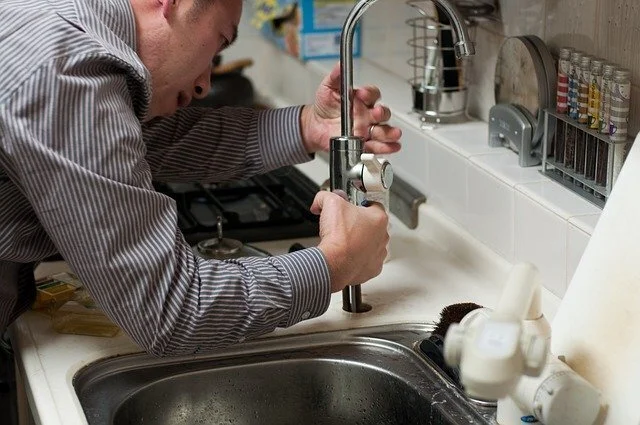
During a plumbing emergency, the tenant needs to inform the landlord right away while controlling the damage. Plumbing issues that are usually considered emergencies include:
Ruptured water pipes
Overflowing toilets and sinks
A blocked toilet
An out of order water heater
No running water in the kitchen
A major roof leak
Storm, fire, or impact damage
Flooding
It is crucial to differentiate between emergencies and minor repairs. Legally, landlords are responsible for handling emergency issues but not the problems outside this sphere.
In case of an emergency scenario, landlords should respond immediately as it can endanger their tenants’ health. Landlords are not obligated to notify the tenants before accessing the property in such situations.
If your landlord does not respond and fails to look into an emergency problem, consider other options such as contacting the local housing authority or filing a claim in a claims court. Carefully think about your actions to avoid undue conflict and expense.
Non-Emergency Repairs
Non-emergency repairs are often not serious issues and do not need to be dealt with immediately. These damages are not major threats to habitability. Here are some examples of common non-emergency plumbing problems:
Leaking Toilet
A familiar problem that can cause your water bill to spike is a leaking tap. Usually, this issue is easy to spot, but if the tenant finds out about it late, it can result in hefty expenses for both the tenant and landlord.
To determine who would pay for the damages, it is important to investigate the cause. Although it is a landlord’s responsibility to pay for a leaking or broken toilet, a tenant must report it as soon as possible to avoid a high water bill. It is important to know how the issue began and the clauses in the rental agreement to decide who pays to fix the problem.
Blocked Toilet
A flooded or blocked toilet is another common issue faced by renters. It is generally a tenant’s responsibility to fix such toilets as they are caused by flushing something down the toilet that was not meant to go down there.
Damaged toilet buttons or flush devices are also the tenant’s duty to fix. If the toilet is damaged to the extent that it requires a replacement, it can prove to be a costly venture. In this case, the landlord may agree to divide the expenses for a new toilet.

As a landlord, if you are aware that the problem did not exist before your tenant moved in, then you are not liable to pay for repairs. You can help out your tenant by arranging for a plumber to visit, but let the tenant pay the expense. However, if the issue was not the tenant’s fault, then you should cover the cost.
Non-Urgent Repairs
Non-urgent repairs are not emergencies but habitability requirements. They do not require immediate repairs, but landlords need to attend to them.
The timeframe within which you should complete such plumbing maintenance and repair depends on your local regulations. Some jurisdictions compel landlords to resolve such issues within two weeks.
If your landlord fails to respond to your concerns, you should contact local authorities. Legal avenues exist to ensure that the landlord takes responsibility.
The confusion regarding plumbing maintenance and repair in a rental property is understandable. Landlords are responsible for ensuring that a property is habitable before a tenant moves in and are legally responsible for emergency plumbing issues.
On the other hand, tenants should cover the costs of rental property maintenance and repair needs that arise due to their negligent or damaging actions. Lease agreement clauses and local laws help determine whether renters have to pay for minor plumbing repair and maintenance.
Top Tenant Complaints and How to Solve Them
With being a good landlord, one of the most useful skills is learning to manage tenant complaints. Tenants are the backbone to your success in the rental business, so you want to ensure you always respond to their concerns. In this post, we’ve listed some of the most common tenant complaints and outlined how to […]
With being a good landlord, one of the most useful skills is learning to manage tenant complaints. Tenants are the backbone to your success in the rental business, so you want to ensure you always respond to their concerns.
In this post, we’ve listed some of the most common tenant complaints and outlined how to solve them.
Let’s get into it!
Issue 1: Demand for Security Deposit Refund
While some tenants are patient, some can hound you to return their security deposit right away. Some may also complaint if deductions are made.
To resolve this, sit with your tenants during the lease signing and walk them through the entire security deposit clause. Ensure they understand what deductions can be made and the refund process.
By doing this, tenants will understand the reasons their security deposit refund was not returned right away, or the reason their refund is only partial. This will also encourage tenants to keep property damages minimal and the unit reasonably clean.
Issue 2: Property Repair Request
While it’s true that not all property maintenance requests are urgent, it’s still your duty to update a tenant. Make sure that a proper report system is established. This will help prevent the request from getting lost in the flurry of numerous daily tasks you face.
Classify urgent matters and outline them in the lease agreement in order to manage the renters’ expectations. They must know the difference between what constitutes an emergency and what doesn’t. If the matter affects the livability of the tenant greatly, then this repair request must be acted upon immediately.
Ensure that the renter knows where and how to report a maintenance issue. If the issue is non-urgent, provide the tenant with a timeframe, as well as regular status updates. Once the repair is complete, ask for feedback to know whether the issue was resolved to the satisfaction of the tenant.
If you have a non-essential request, such as repainting the unit a different color, deal with it in a firm but tactful way.

Issue 3: Noise and Disturbances
As a landlord, it’s one of your responsibilities to let a tenant experience quiet enjoyment in your premises.
Some noises are uncontrolled, such as outside traffic and neighborhood pets. However, you can take steps to find solutions for disturbances within your control. For instance, create policies that discourage tenants from being a source of disturbance, especially at nighttime.
You can also send notices to tenants creating the disturbance and remind them of the policies stated in the lease. If the disturbances continue, you can evict a particular tenant.
You can also consider setting up soundproof walls and sealing gaps so external noise is limited.
Issue 4: Lack of Landlord Response
When a tenant has a concern, they seek your help. If you are hard to reach, it can be frustrating. So, always ensure you are readily available to help your tenants through phone calls, messages or visits.
You can create a system where tenants can report their issue. Then, be sure to give a status update within a reasonable time. If you’re in the middle of something important, you can message the tenant to let them know that you’re aware of the issue and will provide feedback as soon as you can.
Provide an outstanding customer service and make your tenants feel that you’re always around to answer their concerns.
Issue 5: Lack of Privacy
Tenants have a right to their own privacy. While there’s nothing wrong in being a meticulous landlord, certain limitations need to be observed.
Always provide reasonable notice before conducting a property inspection. Don’t just drop in unannounced as renters might be occupied or have scheduled activities. You want to avoid pushing a tenant to break the lease for this reason.
Here are some things that breach a tenant’s privacy. Do not:
Read a tenant’s mail without permission
Enter the rental unit for no particular reason.
Show up unexpectedly very frequently.
Spy on the tenants’ activities to catch them committing a violation.
In general, respect your tenant’s privacy and trust that they’ll follow the policies stated in the signed lease.
Bottom Line
Even if conflicts are inevitable, avoid causing or escalating an issue by being non-responsive. It’s true that you may have many duties as a self-managing landlord, but that doesn’t give you leeway to provide low-quality service. A bad service will cause tenants to search for other rental properties to transfer to.
If you’re short on time or lacking industry knowledge, hire a property management company that offers full management services. At Sutton Property Management, we do just that! You’ll enjoy the break from responsibilities, while finding great comfort that your tenants are in good hands.
Contact us today for more information!
How to Write a Good Property Listing
There’s more to landlording than just collecting rental payments at the end of the month. To be a successful property owner, you need certain skills and experience. Among these skills is the ability to write a good property listing. As you probably know, vacancies are every Grande Prairie landlord’s worst nightmare because, at the very […]
There’s more to landlording than just collecting rental payments at the end of the month. To be a successful property owner, you need certain skills and experience. Among these skills is the ability to write a good property listing.
As you probably know, vacancies are every Grande Prairie landlord’s worst nightmare because, at the very least, they mean no rental income at the end of the month. That’s why it’s important for you to know how to draft a good listing for your property so you can fill your vacancies quickly.
In this post, we’ll share a guide to help you draft an attractive, detailed and informative rental ad.
Keep on reading!
1. Cover the Basics
Make sure your listing covers all the basic information a renter may want to know about your property.
Here are some things to consider adding in the listing:
How many bedrooms and bathrooms does your property have?
Where is it located?
What’s the monthly rental price?

2. Have an Attention-Grabbing Headline
An attractive headline will make a prospective tenant want to click on it. Remember, your listing will be competing with dozens of other listings. As such, your goal should be to make it stand out from the rest.
Let’s consider the following two headlines:
Luxurious Townhome Replete with Elegant Finishes and High-End Amenities
Gorgeous 2-Bedroom, 2-Bathroom Townhome for Rent in Grande Prairie, Alberta
Which of the two headlines do you think a prospective tenant is more likely to click? The first one? Wrong! A prospective tenant is more likely to click on the second option because it’s specific.
When writing a headline, your goal should be to be as specific as possible. Avoid any fluff and jargon. At the end of the day, potential renters are interested in two things: the location and the amount of space.
Other examples of attractive headlines include:
Spacious Condo Just a 5 Minute Walk to the Metro
Charming 2 BR on Lovely Tree-Lined Street in Beaverlodge
3. Remember the Rent Amount
The rent amount is the last thing you want to forget in your rental ad. By including the rent amount, you will ensure that you only attract renters that can afford living in your rental unit.
You also want to ensure you include the term of the lease in the rental listing. Be specific as to whether the term is a short-term or a fixed-term lease.
4. Offer as Much Detail as Possible
A good property listing is one that contains as many details as possible while still being concise. Talk about what makes your particular rental special.
Your rental description should give the prospective tenant a visual of what living in your property will be like.

In addition to details about the rental, you can also include details about the:
Location the property is situated in
Nearby highways
Schools in the area
Commute options
Weather
In doing so, your prospective renter will get a better sense of what their life would be like living in your property.
Statements to Avoid
It’s important that, when you include description in your listing, it doesn’t discriminate against certain protected characteristics. As per the Alberta Human Rights Act, protected classes are “race, colour, ancestry, place of origin, religious beliefs, physical disability, mental disability, marital status, family status, source of income, sexual orientation, gender, gender identity, and gender expression.”
Therefore, it would be illegal for you to include statements such as:
“Men Preferred”
“Must be Able to Live Independently (No Service Dogs, Wheelchairs, etc)”
“Heavily Jewish Area”
No Children Allowed”
“Hispanic Area”
All these statements infringe on the Alberta Human Rights Act as they discriminate against certain classes of people. To avoid violating the Act, focus on describing your property rather than the kind of tenant you’re looking for.
5. Add Many Quality Photos
Pictures speak a thousand words, right? Quality photos are not only attractive, but they also help to accompany the written word with visuals.
To take quality photos of your property, make sure:
Your home is properly cleaned: You may consider hiring professional cleaners.
There is adequate lighting: Open the blinds and/or turn on the lights. This will help the camera capture details.
Shoot different angles: This will highlight crucial features.
Once you’re done with the photos, consider shooting a video as well. According to real estate experts, including a video in your property’s description can boost leads by up to 95%.
Simply upload the video to any video streaming site, such as YouTube or Vimeo, and then include the link in the listing description.

Need More Assistance?
There you have it – 5 tips on how you can write a good property listing. Did you find the process daunting? If so, Sutton Group can help. With more than 4 years of property management experience, we can help you realize your investment goals in the Grand Prairie, Alberta area.
Things To Do in Grande Prairie
With an estimated population of 63,166 people, Grande Prairie is the 7th most populated city in Alberta. The city is located 460 kilometers Northwest of Edmonton. Established in 1951, Grande Prairie was Alberta’s first County. There are various ways to reach to Grande Prairie. If driving, you can take Highway 43. This highway is fully […]
With an estimated population of 63,166 people, Grande Prairie is the 7th most populated city in Alberta. The city is located 460 kilometers Northwest of Edmonton. Established in 1951, Grande Prairie was Alberta’s first County.
There are various ways to reach to Grande Prairie. If driving, you can take Highway 43. This highway is fully paved and is almost completely four-laned. Alternatively, you can also take the Alaska Highway.
If you’re looking to fly, there’s an airport right in the city, the Grande Prairie Regional Airport. The airport receives flights from Fort St. John, Calgary, and Edmonton and has connections to the rest of Canada and the U.S.
Grande Prairie is undoubtedly a great place to buy investment property, visit or live.
This city has a lot to offer. Whether you love nature, art, festivals, shopping or wildlife, you’ll find something to do in Grande Prairie.
With that in mind, here are the 6 best things to do in Grande Prairie, Alberta.
1. Annual Festivals
Grande Prairie hosts a number of festivals every year. Perhaps the most notable one is the Annual Fiddlers’ Jamboree. The festival was first held in 1987 in the kitchen of the Grand Prairie Museum. The festival provides fiddlers and fiddling enthusiasts an opportunity to come together and celebrate music and diversity.
Another festival to look forward to is the Bear Creek Folk Festival. Hosted annually on Borstad Hill in Muskoseepi Park, the Bear creek Festival features 4 stages with over 30 provincial, national, and international touring artists. Whether you like rock, gospel, blues, country, contemporary or traditional folk, the festival has got you covered.
You also don’t want to miss out on the Maple Sugar Festival. Enjoy delicious maple taffy, door prizes, horse drawn wagon rides, and plenty of entertainment and activities.

2. Amusement Parks
Are you looking to have a fun and entertaining day with your friends and family? Grande Prairie’s amusement parks are the perfect way to enjoy a fun day out.
The first option is the Grande Prairie Regional College Climbing Gym. Known as the GPRC, this amusement facility features over 3,500 sq. ft. of climbable space. The diverse terrain ensures that there are challenges for people of all ages and abilities.
Another option you have is the Jump Yard. The Jump Yard is a 20,000 sq. ft. indoor trampoline park featuring super hoops, a trampoline dodge ball, a massive foam pit, and wall-to-wall trampolines.
You can also enjoy one of the best, immersive, interactive escape games at the Trapped Escape Room. Participants have 45 minutes to escape a room by solving codes, riddles, clues and more. Whether young or old, there are a variety of rooms suitable for all ages.
3. Museums
Grande Prairie is home to many museums and galleries. One such museum is the Grant Berg Gallery. It is the region’s premier commercial art gallery, representing roughly 35 artists. Collections include photography, jewelry, carvings and paintings.
Grande Prairie Museum is another museum you can consider. It’s set in the picturesque Muskoseepi Park in Grande Prairie and depicts the region’s history. It was originally opened to the public in 1971 and is open year-round.
Other options to consider include Philip J. Currie Dinosaur Museum, Center 2000, Center for Creative Arts, Heritage Discovery Center, and Art Gallery of Grand Prairie.

4. Nature & Outdoors
Whether you prefer mountain biking and summer hiking or snowshoeing and cross-country skiing, Grande Prairie is the right place for you.
You can begin your adventure at the Muskoseepi Park. Muskoseepi Park is a hidden gem near the downtown of Grande Prairie. The 100-acre park features 6 distinct areas offering different options for patrons of Muskoseepi Park.
Here, you can enjoy more than a dozen kilometers of paved trails perfect for hiking and biking. The park is also home to several events, including the Bear Creek Folk Festival.
Besides Muskoseepi Park, there is also the Saskatoon Island Provincial Park. Located just 15 minutes west of Grand Prairie, Saskatoon Island Provincial Park is an island of forests and wetlands in a sea of farmland.
The 100-hectare provincial park is surrounded by water – bordered by Little Lake on the south shore and Saskatoon Lake on the north shore. You can enjoy bird watching, picnics, and summer camping.
Other outdoor places to visit include Nitehawk Recreation Area, O’Brien Provincial Park, The Historic Heritage Village, and Grande Prairie Skateboard Park.
5. Shopping
Grande Prairie is a shopper’s paradise. It’s often referred to as the “Shopping Capital of the North.”
The downtown area is home to more than 400 retailers, large and small. Some of the top retailers include Forbes & Friends Flair Boutique, Four Corners Tea, the Farmers’ Market, Walmart, Best Buy, Staples, Future Shop and Costco.
You can also find Grande Prairie Premium Outlets in the city.
6. Camping & Accommodations
Grande Prairie offers many options when it comes to camping and accommodations. There are plenty of full-service bed and breakfasts, hotels and motels and more than fifty camping grounds available for visitors.

From the very basic to full-service facilities, you can be sure to find something to suit your needs. Basic amenities include water taps, electricity, coin laundry, phone, heated showers, and indoor washrooms.
Generally, camping fees are paid by self-registration (cheque or cash). You may also be able to make your reservation online for Historic Dunvegan Provincial parks, Young’s Point, and Saskatoon Island.
Bottom Line
Clearly, Grande Prairie is a hidden gem! There is no shortage of things to do and see in this city. So, whether you’re planning on buying investment property, planning a vacation or living in Grande Prairie, you will have no trouble staying entertained by all the city has to offer.
For further inquiries, contact Sutton Property Management.
Should I Allow Tenants to Paint my Rental Property?
No two tenants are alike. While some may be very particular, others may not really care about property aesthetics at all. If you spend a while renting out your property, you’re sure to eventually wind up with tenants who want to have their say in the appearance of their unit. Every tenant deserves a unit […]
No two tenants are alike. While some may be very particular, others may not really care about property aesthetics at all. If you spend a while renting out your property, you’re sure to eventually wind up with tenants who want to have their say in the appearance of their unit.
Every tenant deserves a unit that is clean and well-maintained, but there’s a difference between maintenance and decorating. Tenants may request quite a bit of freedom to make changes and redecorate the rental unit, which may include repainting the space.
So what should you do? Should you permit this or not?
When you’re trying to retain long-term tenants, how you handle a situation like this will be significant. You’ll likely want to contribute to the joy and happiness of your tenant by saying yes. On the other hand, you’ll likely feel hesitant about the unintentional damage that could result. There are no shortage of issues that can emerge from an improper paint job.
Of course, it depends on your own preferences and taste as well. Are you very particular about the design and look of your units? This could make the decision to surrender a bit of control harder for you.
There are plenty of pros and cons of allowing or not allowing a tenant to paint your rental property. It all depends on your flexibility as a landlord. This article will present possible positive and the negative outcomes of this decision.
Pros of Allowing a Tenant to Paint the Unit
1. The Tenant Will Be Happy
It’s important in the rental property business to strive to keep tenants happy. Landlords put a lot of effort into finding good tenants, but an equally important task is to hold onto good tenants once you have them.
While your main objective may be to keep your property vacancies at a minimum, it’s the renters themselves who can ensure that by sticking around. If you give a tenant flexibility in redecorating the unit and repainting it, you’ll provide feelings of freedom and happiness.
2. The Tenant May Be More Likely to Renew
If you allow the renter to redecorate or repaint the unit, they may be inspired to stay longer. They will likely feel an extension of ownership over the space, and will be happy to come home to the rental unit everyday.

It’s important for all of us to leave a mark of our individuality on their world. Making an impact on surroundings may make us more likely to want to stay where we are.
3. Encouraging a Sense of Home
With an opportunity to affect the aesthetics of their surroundings, renters may feel a sense of ease and comfort afterwards. After personalizing their home, renters will likely stay longer. After all, looking for other rental units takes considerable effort. It’s not every day that renters are permitted to make personal changes to reflect their own sensibilities.
Cons in Allowing a Tenant to Paint the Unit
Huge Time and Labor Allocation
If your tenants come and go, repainting your rental unit back to its original shade can be tiresome. Painting the interior of a unit can take up a huge amount of time, and it’s especially difficult to have maintenance done during a global pandemic.
For example, say you have a new prospect who wants to move in right away. They wouldn’t be able to do so if you needed to allot time for a repainting session to be done. If this new prospect was reliant on a speedy move-in, you could miss out on a reliable renter.
2. Maintenance Can Be Costly
Giving permission for tenants to paint the unit can have a great financial impact. If you want a professional job to be done, you’ll need to hire a professional painter. If the tenant plans to shoulder the expenses, it can be difficult to have control over the quality of the paint finish.

Your tenant might decide to perform the work on their own. The prospect of a poorly done job introduces a world of other potential stresses.
3. Possibility of a Huge Mess
Painting professionals exist for a reason. Painting properly is tough, and the mess of a bad paint job can affect the look of your rental property. There’s no shortage of potential problems that can arise after a substandard paint job. For just one example, a sub-par job could damage your flooring and furnishings.
Designing Detailed Conditions in the Agreement
Now that you’re aware of the pros and cons of permitting a tenant to repaint, are you still keen on giving the go-ahead signal? Or are you hesitant to acquiesce to the request? You can always choose a third option if you don’t want to respond with a definite yes or no.
Your third option would be to design detailed conditions in the lease. You can permit the tenant to change the colour of the rental property with provisions. This would limit the tenant’s control in redecorating the rental space, while also providing a sense of freedom at the same time.

Here are some questions to address in the leasing agreement:
Should the tenant or landlord pay for the painting materials and labor?
Should the tenant repaint the unit back to the original shade upon moving out?
What’s the required length of stay for the tenant to be permitted to alter the unit by repainting?
Are there limits to a painting palette, or can the tenant choose any colour they desire?
Being clear on your expectations will greatly reduce any misunderstandings. The tenant’s task is to meet the conditions. As long as the tenant follows the agreement, there shouldn’t be any problems.
Making an Inventory
Since there will be changes to the appearance of your unit, it’s advisable to make an inventory. This way, you can easily compare the past and present property conditions.
When you ask the tenant to revert the painting colour back to the original upon the lease’s end, it will be quicker. Not having an inventory may result in stressful arguments. As much as possible, we aim for peace of mind as landlords.
Bottom Line
So, should you allow your tenants to paint your rental property? There’s no hard and fast rule to this. You can opt to make the renters happy, but then you’ll have to be ready for the drawbacks. After all, maybe you’ve had to have your unit painted already as one of the steps to get your unit ready for the rental market.
If you want to be more flexible but protect yourself at the same time, a good compromise solution is to give a conditional permission.
If you need professional property management to handle your property, contact Sutton Property Management at (780) 532-4900 or visit the website at https://suttonpm.com.
How to Attract Long-Term Tenants
As a landlord, consistent cash flow is key to running a successful rental investment. One that’s successful is only possible if you can rent to long-term tenants. However, attracting long-term tenants is perhaps the most difficult part of that equation. That said, it isn’t exactly rocket science. In this blog post, we share 8 tips […]
As a landlord, consistent cash flow is key to running a successful rental investment. One that’s successful is only possible if you can rent to long-term tenants. However, attracting long-term tenants is perhaps the most difficult part of that equation.
That said, it isn’t exactly rocket science. In this blog post, we share 8 tips with you on how you can land such tenants and enjoy a good, consistent income for many years to come.
Tip #1: Know what kind of tenant you want.
Before beginning the marketing process, make sure you know what kind of tenant you want. The goal of doing this is to help you create a rental ad that narrows the decision down to a particular group of prospective tenants.
This thought process will not only help improve your chances of landing the perfect tenant but will also help save time on tenants that don’t meet your qualifying standards.
Tip #2: Write a compelling listing.
Today, an increasing number of tenants are searching for their next apartment online. Rental listing sites provide tenants with a smorgasbord of options based on their search criteria. Therefore, to stand out from the competition, you need to write a compelling listing.
The following are a couple of things to keep in mind when doing so:
Make it short and sweet. You’re not writing a novel.
Include as many pictures of the property as possible.
Make sure to highlight the best features of the property.
Make it clear that your screening process includes checking their credit and criminal histories.
If you’re flexible towards tenants painting or decorating the unit, it can be good to mention this, because it can be a major selling point for some.
You also want to make sure that your ad is free from any kind of discriminatory statements. Examples of such statements include:
Men preferred
No wheelchairs or service dogs allowed
Heavily Jewish area
No children allowed
Hispanic area
No blacks allowed

As a general rule of thumb, avoid statements that touch on the 7 federally protected classes. The protected classes are sex, familial status, race, national origin, disability, religion and color.
Tip #3: Screen all prospective tenants.
If you want to up your chances of landing a long-term tenant, you need to have a thorough tenant screening process in place. The goal of screening tenants is to help filter out the bad ones from the good.
When screening tenants, the following are a couple of things to be in the lookout for:
Their income. Only consider renting to tenants that earn a sufficient income that will enable them to pay rent without any issues.
Rental history. Only rent to tenants that have clean rental backgrounds. In other words, avoid tenants that have prior evictions.
Credit Rating. Only rent to financially responsible tenants. Consider those that have a credit rating of at least 700.
Additionally, just like the rental ad, you want to make sure that your screening process is free from any form of discrimination.
Tip #4: Offer them a warm welcome.
Tenants are usually anxious to live in a new place. As such, make yourself friendly and try to establish yourself as the go-to contact in regards to any questions your tenant may have about the neighborhood.
To start on the right foot, consider giving them a welcome gift of sorts. It doesn’t have to cost you an arm and a leg, but offering them a gift can go a long way in showing them that you do indeed care.

Examples of some inexpensive things to give your tenants include a map of the area, cleaning supplies, baked goods, coffee beans and a gift card or a coupon towards a local favorite.
Tip #5: Stay on top of maintenance issues.
If you want to attract and retain a long-term tenant, then you need to have an attractive property that is well-maintained. You can ensure this by doing the following:
Inspect the unit for problems regularly. Ideally, you want to do it when the tenant is first moving in, when seasons change, when driving by and when they eventually move out.
espond to maintenance requests promptly. Nothing frustrates a tenant more than a landlord who ignores their maintenance requests. It’s not only a surefire way to lose a good tenant, but that can also potentially land you in legal hot water.
Tip #6: Work on your communication skills.
Landlording is a service industry. Your tenants are your customers, and solid communication skills are critical in retaining them.
As such, make sure you have open lines of communication to make sure tenants can easily get a hold of you whenever they want help.
To make it easy and convenient for your tenants, make sure to ask them what their preferred mode of communication is. According to a study done in 2017, millennials prefer communicating through text messaging and through online apps, while baby boomers prefer it in person or via telephone.
Tip #7: Include friends and family in your marketing efforts.
When starting, your close friends and family can make a difference. Word-of-mouth marketing is known to be an effective marketing strategy. A study found that up to 84% of consumers believe word-of-mouth recommendations from friends and family than any other form of marketing.

Besides using friends and family, you may also consider using existing tenants. Of course, you’ll need to have maintained a good relationship with them for this to work.
Offering some incentives can also go a long way in boosting its effectiveness.
Tip #8: Respect your tenant’s right to privacy.
This is a big one!
Even as the landlord, you cannot barge in on your tenant without them knowing. Regardless of the reason, you are required to provide your tenants with a notice before entering their units, even when just saying ‘hi’.
If you must access their rented unit for whatever purpose other than to respond to an emergency, always inform them beforehand. Agree on a date that is convenient for both of you, and try your best to follow through with it.
There you have it–8 tips on how to attract and retain long-term tenants. If you find this work daunting, consider hiring a professional property management company. Sutton Group has more than 4 years of property management experience in the Grand Prairie, Alberta area.