

Property Management Blog
The Ultimate Moving House Cleaning Checklist
Do you like moving? While it can be exciting to change your home location, the process of packing, organizing, and move-out cleaning can be daunting. Cleaning your place needs to be done before moving in most scenarios, or you won’t get your security deposit back. So, how do you do it well and efficiently? The […]
Do you like moving? While it can be exciting to change your home location, the process of packing, organizing, and move-out cleaning can be daunting. Cleaning your place needs to be done before moving in most scenarios, or you won’t get your security deposit back. So, how do you do it well and efficiently?
The easiest way to do it, of course, is to hire professional cleaners. There are several cleaning companies on the market offering their services, so you can choose one to help you. If you can allow it in your budget, then no worries. But with some preparation, you can handle the cleaning task yourself!
With a good plan in place and a set of cleaning tools, you can do it well without feeling overwhelmed. The best time to do the move-out cleaning is after removing the furniture or belongings. That way, you don’t have to move the furniture around back and forth and can’t miss spots. It’s way easier to clean an empty house than a house full of boxes and furniture.
Another way to do it is to clean all of your belongings and furniture before it goes into the moving truck, so it’s clean for you in the new place, and then you clean the rooms after. Which one you prefer is up to you and depends on how much time you have available before moving out. Either way, it’s good to do the final cleaning after moving all of your belongings and furniture.
First, make sure you have all the proper equipment; rubber gloves, broom, a dustpan, cleaning cloths, different kinds of brushes, mop, bucket, vacuum, disinfectants, bathroom cleaner, and glass cleaner. Put on some tunes to get you in the right mood and make the cleaning process less boring.
The Kitchen
The kitchen is usually the dirtiest place in the house. It will generally take more time and energy, so you might want to start with the kitchen. Start by getting the right kitchen cleaning products – they are designed to clear the grease and stains. There are unique oven cleaning products that will make it easier to scrub all the greasy or burned stains inside the oven or microwave. Some cleaners require little scrubbing if left on the stove surface for a few minutes to dissolve the stains.
Here is what you need to clean in the kitchen:
Cupboards and counters.
Fridge – empty and defrost, then wash inside and outside.
Microwave – inside and outside.
Stove – inside and outside.
Dishwasher.
Hood and fans.
Tables and chairs.
Windows and window sills.
Doors and door frames.
Sinks and taps.
Walls.
Floors.
Blinds.
Light fixtures.

The Bathroom
The next thing you will need to tackle is bathrooms. It’s a good idea to sanitize all surfaces along with cleaning. So you can use cleaning products with sanitizing properties (toilet cleaner and bathroom cleaner) on the tub and sink. Here is the list of things to clean in the bathroom:
Vanity, cupboards, and counters.
Tab and tiles – use a cleaner that removes soap scum, and you can use bleach on tile grit to prevent mold.
Showers.
Walls.
Doors, handles, and frames.
Baseboards.
Toilets; inside, outside, and behind.
Ledges and surfaces dusted.
Mirror and glass surfaces – use glass cleaner.
Light switches, plugs, and fixtures.
Windows and window sills.
Floor – wash well and use sanitizing products.
Blinds.
The Bedrooms
Bedrooms and other rooms are usually more straightforward. Here is the list you can follow:
Wash the walls.
Empty the closets and wipe shelves and the inside of the closet with a warm soapy cloth.
Wash the windows with the glass cleaner.
Mop and the floors with the warm soapy water.
Steam clean the carpet. If you have stained or overly dirty carpets, it’s a good idea to steam clean the carpets and spot clean the stains. You will need a unique carpet cleaner. If you have odors from pets, steam cleaning the carpet is a must, and you can use a carpet cleaner that helps eliminate odors.
Wash light fixtures, light switches, and outlets.
Take out the garbage and wash garbage bins
Sweep out of the garage if you have one.
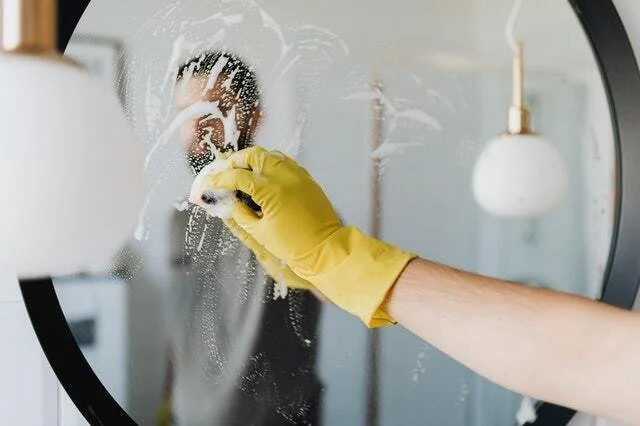
General cleaning
Here are some general cleaning tips:
Do the “dry” cleaning first – dusting, vacuuming, and sweeping. It’s much easier and quicker to wash surfaces and mop floors when there is no visible dust or crumbs on them.
Wash the floors last after cleaning all other surfaces. If you wash the floors before and then start dusting, you might get floors dusty and will have to mop them over again.
Make sure you are using the proper type of cleaner. For example, you don’t want to use toilet cleaner on taps. The harsh chemicals in toilet cleaner can damage the shiny tap surface and make it look faded. Any wood furniture needs cleaning with special wood polish. You can use a regular, slightly damp cloth to wipe the excessive dust before applying the furniture polish.
Once every room is cleaned and checked, pat yourself on the back for the job well done! You are now ready for moving-out property check with your landlord or manager. Good luck, and may your move be peaceful and exciting!
What Exactly is “Normal Wear and Tear”? (Copy)
As a landlord, you must understand what normal wear and tear means. “Normal wear and tear” refers to the depreciation of property, furnishings, or appliances in your unit. These damages are not caused by tenant abuse. Fixing wear and tear damages is your responsibility. That’s why you must be able to identity normal wear and […]
As a landlord, you must understand what normal wear and tear means. “Normal wear and tear” refers to the depreciation of property, furnishings, or appliances in your unit. These damages are not caused by tenant abuse.
Fixing wear and tear damages is your responsibility. That’s why you must be able to identity normal wear and tear vs. property damage.
In this post, we here at Sutton Property Management are going over everything you need to know about normal wear and tear!
How Do You Define Normal Wear and Tear?
As a general definition, normal wear and tear can be described as the natural deterioration of a property. In order to fully preserve your units condition, you would need to have nobody living in it, and that’s not what you want! So, in other words, normal wear and tear is inevitable!
You cannot use the tenant’s security deposit to repair minimal wear and tear as they are unavoidable in a rented unit. A deduction from a tenant’s security deposit can only be used for property damage.
Property Damage vs. Normal Wear and Tear
While the landlord is responsible for restoring the rental unit in the case of normal wear and tear, property damage is a whole other ballgame. Property damage is often caused by tenant negligence. As a landlord, you can use your tenant’s security deposit to fix the issues.
But what is the difference between property damage and normal wear and tear?

The following examples will help differentiate the two.
Normal wear and tear:
A handful of nail holes in the wall
Minor scrapes, dents, or chips to walls or flooring
Worn-down carpets
Sticking doors or warped cabinets
Mold if the unit was not properly ventilated
Scratches to enamel in toilets, sinks, or bathtubs
Appliances that show signs of use
Property damage:
Appliances that show signs of neglect or abuse
Cracked mirrors
Cracked or missing tiles
Mold found in the kitchen or bathroom
Broken windows or doors
Severely marked-up floors
Stains, burns or holes in carpets
Wallpaper or paint that was done without the landlord’s consent
What is Considered Routine Maintenance?
Some things are considered “routine maintenance,” while other things are not.
As a landlord, you cannot deduct from a tenant’s security deposit for routine maintenance.
1. Cleaning
It’s common for landlords to hire professional cleaners to ensure the unit is sanitary for their new tenants. In this case, you cannot charge the previous tenant for cleaning costs as minor grime is expected. However, if the unit is left so dirty that it’s uninhabitable, you can charge your previous tenant.
Remember, if you’re expecting the tenant to clean the unit themselves prior to moving out, you must state this in the lease and provide a cleaning guide.
2. Carpet
As we mentioned previously, the condition of your rental unit’s carpet can either fall under normal wear and tear or property damage. If the carpet is damaged beyond repair, you can potentially charge the previous tenant for a replacement. On the other hand, if it was old and worn to begin with, you can’t charge extra to replace it. You also can’t charge the tenant for carpet steam cleaning.
3. Paint
It’s common practice among landlords to repaint their rental property between tenancies, especially if the previous tenant lived in the unit for multiple years. This painting is considered routine maintenance and is not the tenant’s financial responsibility.
However, if the tenant painted the rental unit without your permission or used a paint shade that you did not approve of, you can deduct this from their security deposit. You may also deduct from their security deposit if walls are excessively dirty.

4. Light Bulbs
Your rental unit must be equipped with functioning light bulbs.
Regular light bulbs tend to be the responsibility of the tenants, but long-lasting or fluorescent lights fall under the landlord’s responsibility. If these types of bulbs are broken, consider hiring help or replace them yourself as they could pose a danger to the tenant and land you in legal trouble.
How Long Are Appliances Meant to Last in a Rental Property?
All appliances come with a life expectancy. Air conditioning units, for example, are expected to last 10 years, while window shades last about 3 years.
If appliances are damaged before their life expectancy, then you may charge a portion of the replacement costs. However, if it’s past its life expectancy, it is considered normal wear and tear.
Taking Before and After Photos
If you find property damage and wish to deduct from your tenant’s security deposit, it may cause disputes and legal trouble.
To avoid problems, it’s a great idea to take photos of your rental property, both before the tenant moves in and after the tenant moves out. In doing so, you will have proof of the damage caused by the tenant, and it’ll be easier to deduct from their security deposit for the necessary repairs.

Bottom Line
When it comes to your rental property’s condition, property damage vs normal wear and tear can be hard to define. The difference between the two means having your repairs covered compared to shouldering the costs yourself.
Keep in mind that no aspect of your rental unit is meant to stay in pristine condition forever. Wear and tear is normal and inevitable. However, your property must also be treated with care and respect. If damages are caused by tenant negligence or abuse, then it’s property damage. Also, conduct a walk-through inspection to be sure of what came before or after move-in.
If you have any questions on wear and tear, property damage, or any other aspect of property management, Sutton Property Management is here to help! Contact us today to learn more about our services. For the deduction rules that apply at move-out, see our guide to Alberta security deposit rules.
Best Areas to Invest in Grande Prairie
Are you looking to invest in Grande Prairie real estate? There are many reasons to invest in Grande Prairie. Among other things, Grande Prairie provides a solid economy, a long-term potential for rental demand, many shopping options, outdoor recreation and more! Grande Prairie also provides a high quality of life. This city boasts of amazing […]
Are you looking to invest in Grande Prairie real estate?
There are many reasons to invest in Grande Prairie. Among other things, Grande Prairie provides a solid economy, a long-term potential for rental demand, many shopping options, outdoor recreation and more!
Grande Prairie also provides a high quality of life. This city boasts of amazing natural scenery, a strong sense of community and affordable housing.
So, now that you know why investing in Grande Prairie is a good idea, let’s determine where to invest. In this post, we will give you a list of the best neighborhoods in Grande Prairie to invest in!
Best Grande Prairie Neighborhoods to Buy Real Estate
1. Swavanon
Most of the homes in Swavanon were built in the 1960s and the 1970s. However, there are newer ones that have been built in the 2000s. The homes are fairly large, offering 3-4 bedrooms.
As a real estate investor, you will find that families with young children will be attracted to this neighborhood as there are primary and secondary schools in the area.
2. Hillside
Hillside mainly has detached single-family homes, but it also has townhouses and small apartment buildings. Most homes were built in the 1960s and 1970s and are fairly large containing 3-4 bedrooms.
The neighborhood is car-friendly as parking spots are abundant. It also has quick access to major highways. Though Hillside is a far walking distance from major city attractions, it does have amenities, such as grocery stores, restaurants, daycares and primary schools.

3. Highland Park
When investing in Highland Park, you can target different demographics.
The neighborhood is dominated by detached single-family homes and small apartment buildings. Around 60% of the rental properties in Highland Park tend to be rent-ready.
Most of the properties here were built in the 1960s and 1970s.
This is another car-friendly neighborhood with many parking spaces. Families will also enjoy the many available primary and secondary school options.
There are also several restaurants and a grocery shop conveniently located in this neighborhood.
4. Cobblestone
Cobblestone is a suitable neighborhood that you, as a real estate investor, can decide to invest in. This neighborhood mostly has detached homes, as well as townhouses and small apartment buildings. Many of the rentals in Cobblestone were built in the 2000s.
Similarly to the previously mentioned neighborhoods, parking is convenient in Cobblestone. Residents will enjoy having their own vehicle to get around the city.
There’s also easy access to daycares and primary schools as there are many in walking distance. That said, it is important to note that there are no high schools in the neighborhood.
This neighborhood is quiet and peaceful. There are grocery stores and cafes, but not many restaurants. It is a great place to raise a family, nonetheless.
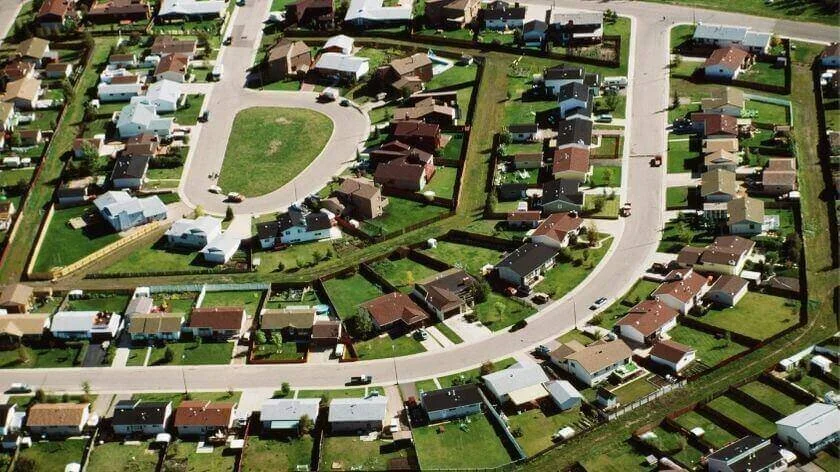
5. North Ridge
North Ridge is another great neighborhood for real estate investing. This area is renowned for offering small apartment buildings, townhouses, and single homes. Most of the properties have 2-3 bedrooms and were constructed in the 2000s.
There are plenty of renters in this neighborhood.
In North Ridge, residents can easily access major highways. Having your own transportation vehicle is advisable. There aren’t many walkable areas, but there are grocery shops, cafes and restaurants available in the area.
There are also many primary and secondary schools nearby. North Ridge also offers a tranquil environment, making it perfect for families or even retirees.
About Grande Prairie
Grande Prairie, located in Northwestern Alberta, is a thriving city. The city is continuously growing and there’s a lot of opportunity.
The population of Grande Prairie is approximately 69,088. Most of the population is between the ages of 30 and 34. Grande Prairie is a culturally diverse city.
The economy is strong and based on oil and gas, forestry, agriculture and retail. As a result, there’s a lot of work opportunity in these industries.
Here are some of the things you can do in Grande Prairie:
Visit the many parks and trails
Go to the Eastlink Centre
Appreciate arts and culture at the Centre for Creative Arts, the Montrose Cultural Centre, or the
Grande Prairie Live Theatre
Get a glimpse of the past at Heritage Village
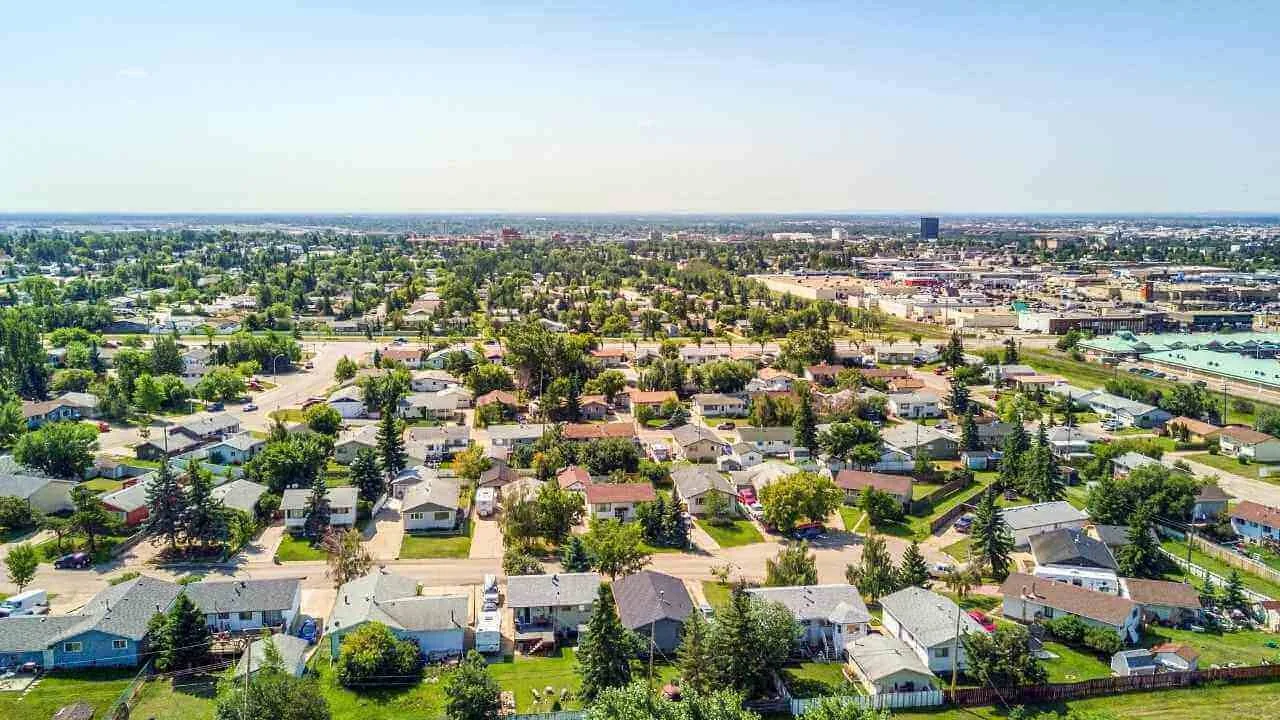
In a Nutshell: Best Neighborhoods in Grande Prairie
Grande Prairie, Alberta is a great city for investing in real estate as it has a stable economy, a young workforce, a low cost of living, a high quality of life and a strategic location.
The population is also consistently growing, making the demand for rentals increase as well.
While there are many neighborhoods in Grande Prairie, if you are looking to purchase real estate in this city, these are the areas we believe you should consider:
Swavanon
Hillside
Highland Park
Cobblestone
North Ridge
If you have more questions or are seeking help, don’t hesitate to contact Sutton Property Management today. We can help you with any aspect of real estate investing, as well as any aspect of property management in Alberta.
For tips on buying real estate in Grande Prairie, read our guide here!
How to Make the Ultimate Video Walk Through Tour
There are several ways to advertise a rental property and attract prospective tenants. One of the trendy and effective ways to do so is to create a video walk through tour of the unit! These virtual tours provide a glimpse of your rental unit for prospective renters. Not to mention, these videos also make sense […]
There are several ways to advertise a rental property and attract prospective tenants. One of the trendy and effective ways to do so is to create a video walk through tour of the unit!
These virtual tours provide a glimpse of your rental unit for prospective renters. Not to mention, these videos also make sense during a pandemic because you can promote your rental home without violating social distancing guidelines.
But how do you go about making a virtual tour? In this post, we give you tips on how to make the ultimate video walk-through tour.
1. Make a Plan
A video tour should look natural, but that doesn’t mean you should start filming on the fly. Instead, take some time to plan your video walk through tour. You can break the planning stage into two phases:
1. Make a list
List every room in your rental home and take note of what you will focus on in each room. A detailed list will lower the chances of error and save precious time when you record the tour.
2. Highlight the best features
To attract tenants, you need to focus on the features that set your property apart from the competition. These features can be appliances, furnishings, views from the balcony, or a spacious backyard.
So, find the home’s best features and strategically display them in the tour to pique the prospects’ interest.
2. Give Your Home a Touch-Up
Before filming the video tour, you should clean up the rental property.
The purpose of a virtual tour is to help people imagine what it would be like to live in the property. So, you want your property to look attractive and neat. Remove clutter and unnecessary items from the rooms, such as tools, stacks of old newspapers, cardboard boxes and more.

You can also add some plants near the window or some toys in the children’s room.
In real estate jargon, this is known as staging your property. These tweaks will make your rental property appear more attractive.
You may also consider hiring a cleaning company. Professional cleaners have the tools to make your property spotless in a few hours.
3. Set Up Your Recording Equipment
Once you make a plan and stage your property, set up your camera and tripod to start filming. You can shoot with a handheld camera, but tripods keep the shots stable and prevent shaking.
Level the camera on the tripod before you start shooting and adjust the perspective to achieve the best video quality.
Film in the landscape format because the horizontal frame provides a wide, cinematic appeal. Plus, the landscape format is compatible with most video streaming platforms, such as YouTube.
4. Test Your Equipment
Once you have adjusted the settings on your camera, take a few test shots and gauge the results. Consider the following:
Lighting
The trial shots will show you how good or bad the lighting is. See how dim or bright each room looks. For the best results, shoot in natural lighting. But if you have to shoot at night, make sure you have adequate indoor lighting. Otherwise, even the best features of your home will appear blurry or dim.
Clutter
A clean and well-arranged living space will attract renters more than clutter. So, review your trial shots and see if there is any clutter or distraction that can take away from the design and amenities of the rental unit.
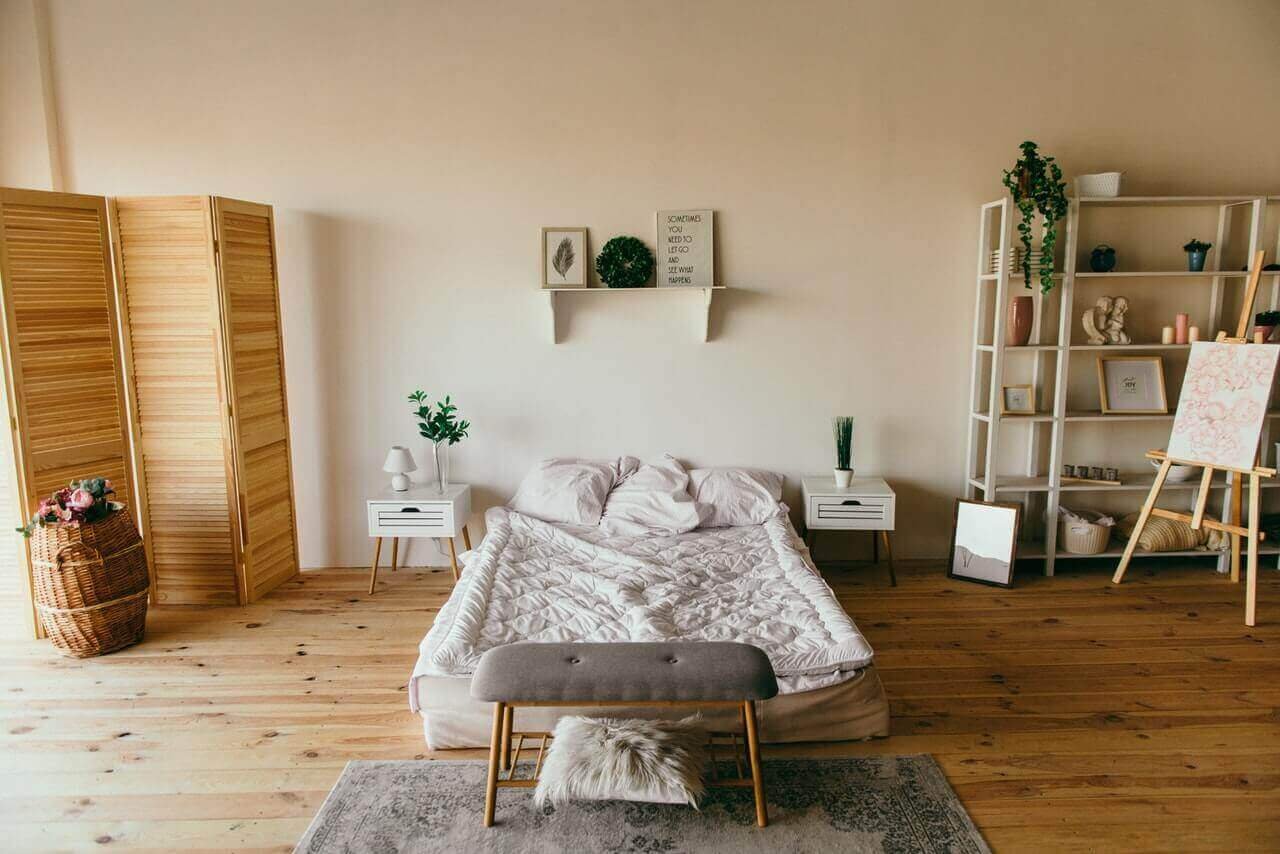
Reflection
Check the shots to see if there is any reflection from windows, mirrors, or other glass and metallic surfaces. Reflections can make for a poor viewing experience and makes the video appear unprofessional.
Overcoming these minor hurdles will set you up for filming in no time.
5. Start Shooting
With the preparation taken care of, you can start recording the tour. Keep your list handy, so you don’t miss anything important while filming. Also, take your time to capture each room. You can always shorten the footage during the editing process.
In terms of audio, you can record your voice while filming or do a voice-over later.
6. Edit Your Video
Once you have recorded all the video clips, it’s time to edit them together. Some of the best video editing software for real estate include:
Video Creek
iMovie
Splice
Magisto
Review the footage and edit the following:
Voice: Now is the time to use a voice-over on the video. You can also add some generic music.
Color Grading: Color grading helps to enhance the property’s features and retain the viewer’s interest.
Length: Check for the length of each clip. Try to stay consistent with the time you spend in each room. It should be long enough to cover all the details, but avoid it being too long or repetitive.
7. Post Your Video
After you edit the video, the final step is to post it! You can upload the video on your YouTube channel, website, real estate portals, and social media pages. Just make sure to leave your contact details at the end of the video or in the description.

Bottom Line
Video walk through tours are a great way to market your rental property!
In the end, remember that video tours aren’t a replacement for your traditional property marketing techniques, such as property photos and property descriptions. However, videos can enhance your overall advertising strategy.
For more information, reach out to Sutton Property Management today. We’ll be more than happy to further guide you in this regard!
Reasons to Invest in Grand Prairie Real Estate
Are you planning to invest in Grand Prairie, Alberta properties? Every single property investment carries a future potential. Under favourable circumstances, monthly rental income isn’t the only benefit. You may be able to reap the benefits of home value appreciation rates as well. Finding the right real estate market for a lucrative purchase is challenging. […]
Are you planning to invest in Grand Prairie, Alberta properties?
Every single property investment carries a future potential. Under favourable circumstances, monthly rental income isn’t the only benefit. You may be able to reap the benefits of home value appreciation rates as well.
Finding the right real estate market for a lucrative purchase is challenging. However, Grand Prairie, Alberta has a promising real estate market. The local economy and the rental demand makes this area a solid option for investors.
In the following paragraphs, we are going to list the top reasons to invest in the Grand Prairie area properties. You’ll learn about the major contributing factors to high-ROI investments in this part of the province.
1. Solid Economy
One of the top reasons to invest in Grand Prairie is its dynamic economy.
The City of Grande Prairie is the hub for a regional service centre that covers a population of close to 280,000 people. Moreover, this city is part of the CANAMEX trade route that links Canada, the U.S., and Mexico.
The strongest economic markets in Grande Prairie include forestry, oil, agriculture, and gas. Since the locals embrace innovation and entrepreneurship, new companies get established and begin hiring all the time.
A major part of the economy relies on the region’s rich natural resources. From agricultural land to natural gas, the reservoirs show no sign of depletion in the coming times. The circumstances create a favourable economic climate for real estate investors.
2. Retail Hub
The city of Grand Prairie has undergone a major retail spending boom and overall growth.
Grand Prairie has shown an outstanding boost in the retail sector. These developments provide a solid pillar for real estate investments.

3. Long-Term Potential of Continuing Rental Demand
Entering the market at the right time is important. Grande Prairie has become quite an affordable market for renters in recent times. However, combining the decreased average monthly rent with economic strength signifies long-term potential.
You may enter the market when the real estate is a bit cheaper and the rent income is satisfactory, but it’s highly likely that you’ll see considerable growth in the long run.
4. Shopping Destination
Many people appreciate living in areas that don’t require long commutes for shopping. Grand Prairie provides ideal conditions for such demographics. The local mix of shopping opportunities has it all!
The shopping experience is on such a level that people from neighbouring province’s make their way to Grand Prairie. After people have finished their purchases, they’ll want to spend more time in the city and explore its surroundings.
This is exactly why you won’t be restricted to regular long-term lease agreements. Executing a smart strategy means that you’ll be able to capitalize on the potentially lucrative approach of marketing a short-term rental property.
5. Outdoor Recreation
Grande Prairie is an attractive place to live in terms of outdoor recreation opportunities as there are many things to do. The city has a number of parks, trails, and playgrounds. There’s something for everyone, including families with children.

Here are some of things to see:
South Bear Creek Park: This park has many attractions and amenities. The off-leash dog park is perfect for your four-legged family members. Beach volleyball courts, disc golf course, and the Bear Paw Par 3 golf course provide excellent options for a sporty time off. Additionally, there is a beautiful pavilion on the premises.
Muskoseepi Park: The Muskoseepi Park is located in the heart of this city. Covering an area of over 1100 acres, the park offers a variety of things to do. For instance, you can enjoy lawn bowling, fishing, basketball, mini-golf, hiking trails, and spray park. You can also find the Grande Prairie Museum & Heritage Village.
6. Wide Variety of Areas
As an investor, there are many areas you can invest in in Grand Prairie. Here are some of the top neighbourhoods you may consider investing in:
Trumpeter Village
The community of Trumpeter Village is a stellar neighbourhood in Grand Prairie. While residents are never far from urban amenities, they can also enjoy the family-friendly lifestyle in the quieter area. Trumpeter Village has everything near-by, including theatres, shopping malls, and recreation centres.
Crystal Landing
Located on the city’s booming east side, the master-planned community of Crystal Landing has tree-lined streets and several parks. The quiet location offers a chance to walk around and enjoy the 8-acre wetland in the area. The community isn’t far away from numerous excellent public schools.
Westpointe
If you are considering Westpointe as a neighbourhood to invest in, keep in mind that townhouses and single detached homes are the main housing types in the area. Around one-third of the community’s dwellings are renter-occupied. Most of the primary and secondary schools in Westpointe can easily be reached on foot.
Bottom Line
Grand Prairie has gained significant investors’ interest in recent years. The city has a successful and diversified economy. All of that financial activity creates new jobs and demand for rental properties.
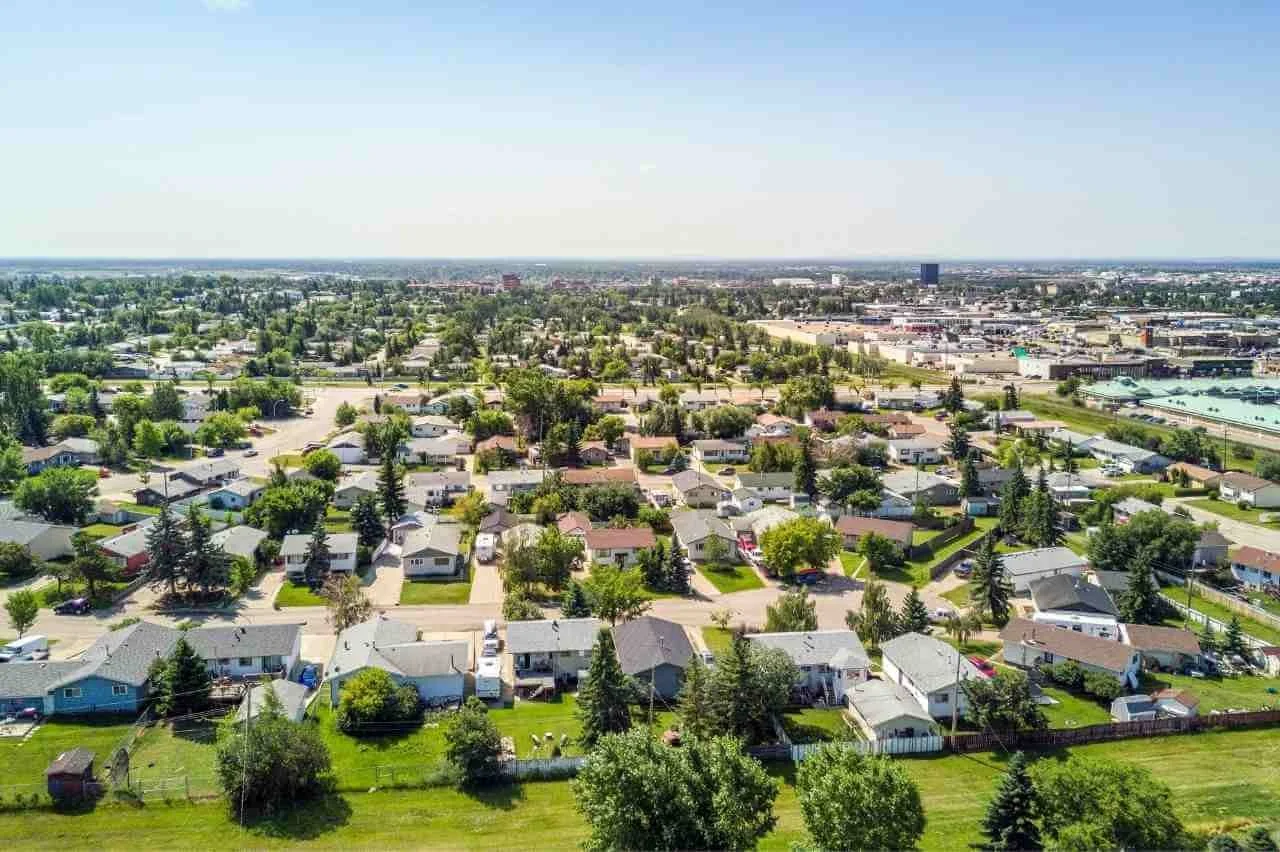
You also have many communities to choose from, such as Crystal Landing, Westpointe, and Trumpeter Village. Etch out your investment plans and evaluate the potential cash flow of different Grande Prairie areas to find the right match for your financial goals.
For more information, contact Sutton Group today.
Showing a Rental Property with Tenants
As a landlord, your livelihood lies on whether your rental property is occupied. However, sometimes you may need to find new tenants with current ones still residing. It’s more challenging to handle property showings when your rental unit is being lived in. Navigating this requires great negotiation skills with the current renters. You also need […]
As a landlord, your livelihood lies on whether your rental property is occupied. However, sometimes you may need to find new tenants with current ones still residing. It’s more challenging to handle property showings when your rental unit is being lived in.
Navigating this requires great negotiation skills with the current renters. You also need to find ways to get them to cooperate with your plan. Some tenants may not be open to the intrusion on their privacy. But when your leasing agreement stipulates this condition and they signed the contract, you should have no problem showing the unit to prospects.
Positives of Property Showings with Tenants
The great things about pushing through with property showings even when tenants still occupy your property are the following:
Consistent rental payments
You’ll avoid the payment interruption and won’t subject yourself to taking the maintenance expenses from your savings.
Seamless transfer of names on the utility bills
If there’s a gap between tenants, the utility bills will be changed to your name. Afterwards, you’ll need to transfer it to the new tenants when you find suitable ones.
Homes displaying furnishing look better than empty units
Prospects don’t have to imagine how the rental space will look like when it has furniture. Thus, furnished units tend to be more attractive and rent out quicker.
Negatives of Property Showings with Tenants
The downsides to showing a rental property with tenants are the following:
The rental space can be messy
Owing to the fact that the unit is occupied, you have less control over its appearance.
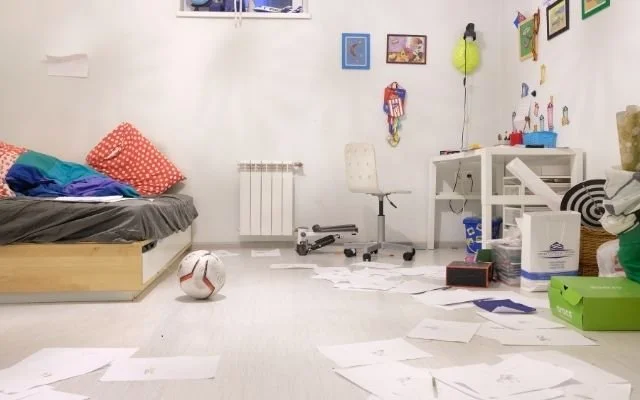
It can be in complete disarray, leaving the prospects unimpressed.
Repairs and property improvements need to be performed
Since you haven’t conducted the final walkthrough yet, damages can still be present. You’ll be showing a less-than-perfect rental home in the eyes of potential renters.
Current tenants may be uncooperative
Due to the nature of moving, the current tenants may be completely swamped with tasks. They may not have the free space to schedule the property showings. They might also not be comfortable showing their private space to strangers.
Tips for Showing a Property with Tenants
1. Set a reasonable schedule
Avoid scheduling the property showing too early. Who wants to crawl out of bed so early to let prospects look around their rental home? Remember that your tenants also need to rest, especially with their imminent move on the horizon.
At the same time, never schedule a property showing too late. The tenants may be catching up on rest or prefer not to be disturbed at late hours.
Strive for common ground. Better yet, allow your tenants to choose the appropriate time for them. It shows you respect their time and you’re working on creating the best schedule for their convenience. You can even show them different schedules so it’s easier for them to pick a designated period.
2. Send prior notice
Avoid conducting property showings without giving your tenants a notice. This shows you respect their privacy. As current renters, they have a right to quiet enjoyment. Send reminders in case the tenants forget about the showing prior to the day itself.

Some tenants will choose to be around on the property showings, while others prefer not to be there. Whatever your tenants’ preference, send a notice. It’s best to attach a list of the property showing schedules for the day or the week. It will help them manage their own schedules.
3. Communicate with tenants
Talk to your current tenants sincerely. Be open about wanting to avoid an income gap. Be upfront about needing cooperation. Find ways together that make property showings convenient for both of you.
When you’re able to articulate your perspective as a great landlord, you stand more of a chance of meeting your goal. At the same time, inform the tenants that you can achieve your purpose better with support from their side.
4. Show appreciation
Since you’ll need your tenant’s cooperation, provide them with little incentives. It shows your gratitude for their time.
Show how much you appreciate their support by giving convenient, useful gifts. It will make them feel that you value their support. Thus, they’ll likely be more cooperative.
Providing financial incentives are also welcome. You can reduce their last month’s rent or make it free. Renters will do their best to get your rental unit quickly occupied by keeping the place more organized. They’re also likely to allow interruptions to their day for the property showings.
5. Practice courtesy
Always be mindful of your tenants. Property showings can disrupt the flow of living. Therefore, be polite and create a schedule that’s amenable to both of you.
Be conscious of the time. Always ask for favorable periods for property showings. Show respect for your tenants’ time.

It’s best to not overload the week with too many property showings. If the tenant is away, showing prospects to the rental home more frequently is acceptable. Be smart and respectful when designing a schedule for property showings.
6. Request properly when asking the tenant for support
Showing the rental property is better in a clutter-free setting. Since your tenant still lives in the unit, this can be challenging. You have little control so you need to request kindly for your tenant’s cooperation. Ask them to:
Keep their pets in a cage
Having a pet can frighten off new prospects, especially when loud barking greets them at the door. It helps to keep the dog, or any pet, away during property showings. You need to enlist your tenant’s help for this.
Tidy up
A more organized home can entice prospects to apply for the rental. If your tenant is naturally drawn to cleaning, then this presents no problem. However, if this is too much to ask, you can always arrange a professional cleaning. It will unburden your tenant, especially one who’s busy packing up belongings.
Bottom Line
Initially, it might seem challenging to conduct property showings while your rental home is still occupied. However, simply being more honest with your tenants can help solve this dilemma. You just need to honor their privacy and be polite while attending to the property showings.
It might also help make it easier if your leasing agreement contains specific conditions. You can state your right to conduct property showings when the tenant opts not to renew the tenancy. If you have any inquiries regarding this post, contact Sutton Property Management today and we’ll help you from every angle of the rental investment business.
9 Ways To Be a Great Landlord
Did you know that great landlords attract great tenants? You see, landlording is a service industry. You are providing services that a tenant pays for. So, as a landlord, it’s in your best interest to treat your tenants as customers. Broadly speaking, landlords take up to forty hours to find a replacement tenant after eviction […]
Did you know that great landlords attract great tenants? You see, landlording is a service industry. You are providing services that a tenant pays for. So, as a landlord, it’s in your best interest to treat your tenants as customers.
Broadly speaking, landlords take up to forty hours to find a replacement tenant after eviction or other exit. The leasing process includes doing certain things such as property advertisement, apartment showing, tenant screening, and lease signing.
However, you’d be able to avoid all that if you rent to a good tenant. Good tenants pay rent on time, rent longer, and are generally low maintenance. In the course of a year, a good tenant can save you an enormous amount of time.
Getting and keeping a great tenant isn’t rocket science. All you have to do is be a good landlord. If you view your tenant as your customer, you’ll do everything to ensure they are satisfied with your services.
So, what exactly do you need to do to become one? Well, below are 9 tips to help you in that regard.
Tip #1: Help your tenant to adjust quickly.
Oftentimes, a new tenant will be moving in from a different town. So, to help them settle down quickly, try giving them an insider’s look of the town. You can do so, for instance, by giving them a printout of the map of the area.
Additionally, consider writing your new tenants a welcome letter. Doing this can be a great start to building a solid relationship with them. In the letter, make sure to mention how happy you are that they are your tenants.

You can also use that opportunity to let them know of any special instructions there may be. For example, contact info for utilities, or when trash pickup is usually done.
Lastly, consider stocking their bathrooms. Moving can be an extremely stressful event. As a matter of fact, some studies have ranked it up high together with other life stressors, such as divorce. Stocking their bathrooms with toilet paper, a soap dispenser, and an all-purpose cleaner can be a great gesture.
Tip #2: Look and be professional.
One of the first step to doing that is by dressing neatly. This is especially critical during the early beginnings of a tenancy. By looking clean and tidy, tenants will usually assume that you’re responsible and will take your rental business seriously.
But, of course, as the months go by and tenants get to know you, this will become less and less important.
Next, observe the terms of the lease or rental agreement keenly. When your tenant has a problem, always check what is outlined in the lease agreement. Remember, the lease is a contractual agreement. If you do anything contrary to its stipulations, there might be repercussions.
Tip #3: Handle disagreements/conflicts like the pro that you are.
Disagreements between landlords and tenants aren’t uncommon. If you ever find yourself in one, make sure to remain calm. The last thing you’d want is appearing on a YouTube video titled, Crazy Landlord.
As a general rule of thumb, never swear or yell at your tenant. Also, please note that using threats or withholding some of your tenant’s rights is illegal. Remember that your tenant is like your customer.
Tip #4: Be accessible to your tenants.
Your tenants will ultimately want to communicate with you. As such, make sure that you offer them access to all your communication channels, such as email and phone.

Ideally, make sure you state which channel should be used for urgent matters and which one is open for non-urgent matters. In the same breath, make sure to also state what problems fall under urgent matters and which ones do not.
What’s more, be sure to respond quickly when a tenant calls or emails you. Remember, quick business etiquette calls for a quick response.
Tip #5: Go through the lease with them.
This is something that you want to do even before the tenant sets foot on your property. Before the lease signing, make sure to take the tenant through each and every term. Communicate about what rights and responsibilities both parties have.
For example, when it comes to rent-related terms, make sure they understand everything. From the rent amount to when it falls due to acceptable payment methods to late fees, if any.
Doing this will help get everything out in the open right from the beginning.
Tip #6: Always notify your tenant of an intended entry beforehand.
Tenants have a right to privacy. Basically, this means that you cannot barge in on them unannounced. In Alberta, for instance, landlords are required by the Residential Tenancies Act to furnish their tenants with a 24 hours’ notice beforehand.
Also, the reason for the entry must be within reason. For example, to do repairs, property showings, or to inspect the property.
Tip #7: Treat all tenants fairly and equally.
Discriminating against tenants on the basis of a protected class is illegal.

According to the Alberta Human Rights Act, it’s illegal to discriminate a tenant on the basis of their race, color, ancestry, physical disability, gender expression, gender identity, religious beliefs, place of origin, sexual orientation, source of income, family status, and marital status.
Tip #8: Stay organized.
Good organization skills are key to running a successful investment property. That’s because you’ll be able to achieve greater freedom, increase profitability, and stay on legal grounds.
The best way to keep organized is by doing so electronically. And for good reason. It is more efficient, protects data, is secure, and is easily accessible.
Tip #9: Be mindful of online reviews.
Sites such as Yelp and ReviewMyLandlord allow tenants to leave reviews of landlords. So, be sure to keep a keen eye on any potential reviews that may be posted there by previous tenants.
If you notice a bad review, make sure to respond respectfully. And if you have great tenants, encourage them to leave a good review.
There you have it. 9 tips on how you can become a great landlord. Essentially, being a great landlord means being able to keep your tenants happy. And as the saying goes, of which you’ve probably heard before, “To be happy, make others happy.” If you’re looking for further help and support as a property owner, contact us at Sutton Group today.
Plumbing Maintenance and Repair in Your Rental Property: Who’s Responsible For What?
Plumbing maintenance and repair problems can occur anytime in a rental property. Often, these issues can become major points of contention between landlords and tenants. Here is an outline of the responsibilities of each party when it comes to handling plumbing maintenance and repair in rental properties: Before the Beginning of Tenancy Before a tenant […]
Plumbing maintenance and repair problems can occur anytime in a rental property. Often, these issues can become major points of contention between landlords and tenants.
Here is an outline of the responsibilities of each party when it comes to handling plumbing maintenance and repair in rental properties:
Before the Beginning of Tenancy
Before a tenant signs a lease agreement, it is exclusively the landlord’s responsibility to attend to plumbing maintenance and repair issues.
Property Check
The landlord should ensure that the rental property meets all health, safety, and building standards before renting it out. They should ensure that the property is habitable, which implies having proper heat, water, and electricity facilities and being free of structural issues.
Some vital checks include:
Mending any plumbing leaks
Inspecting metal pipes for corrosion
Replacing showers or bathtub seals and looking into signs of dampness
Ensuring there are no obstructions in gutters or drains
Checking radiator functioning
Lease Agreement
Most landlords are quick to attend to their rental property maintenance issues. However, some may be careless and provide only a minimum amount while charging the tenant for minor repairs.
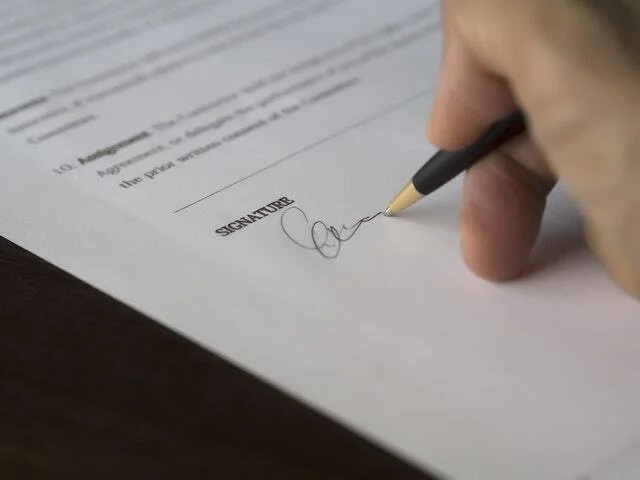
If you are renting a property, make sure you thoroughly go through the lease agreement. Check the lease for maintenance clauses and the landlord’s responsibilities. If you feel the need to clarify anything, consult your landlord immediately.
If you are a landlord renting out your property, it is your duty to inform the tenant about what they need to do in case of emergencies. You can give them the number of an emergency plumber and provide a list of instructions that could include the following pointers:
Make sure you do not flush down large, non-biodegradable waste down the toilet, such as cotton swabs, diapers, feminine hygiene products, and other non-paper products.
Hard objects and greasy or starchy food items should not go into the garbage disposal.
Take out hair from the sink and shower drains to keep them unclogged.
Clean laundry lint filters routinely.
It is also a good idea to let the tenants know the kind of damages that may occur if they fail to follow instructions.
Plumbing Emergencies
During a plumbing emergency, the tenant needs to inform the landlord right away while controlling the damage. Plumbing issues that are usually considered emergencies include:
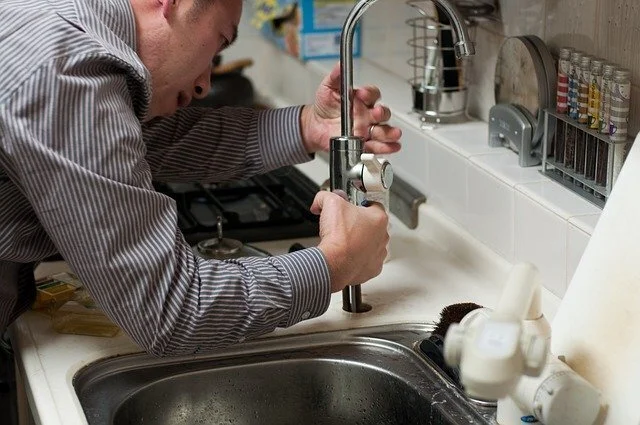
Ruptured water pipes
Overflowing toilets and sinks
A blocked toilet
An out of order water heater
No running water in the kitchen
A major roof leak
Storm, fire, or impact damage
Flooding
It is crucial to differentiate between emergencies and minor repairs. Legally, landlords are responsible for handling emergency issues but not the problems outside this sphere.
In case of an emergency scenario, landlords should respond immediately as it can endanger their tenants’ health. Landlords are not obligated to notify the tenants before accessing the property in such situations.
If your landlord does not respond and fails to look into an emergency problem, consider other options such as contacting the local housing authority or filing a claim in a claims court. Carefully think about your actions to avoid undue conflict and expense.
Non-Emergency Repairs
Non-emergency repairs are often not serious issues and do not need to be dealt with immediately. These damages are not major threats to habitability. Here are some examples of common non-emergency plumbing problems:
Leaking Toilet
A familiar problem that can cause your water bill to spike is a leaking tap. Usually, this issue is easy to spot, but if the tenant finds out about it late, it can result in hefty expenses for both the tenant and landlord.
To determine who would pay for the damages, it is important to investigate the cause. Although it is a landlord’s responsibility to pay for a leaking or broken toilet, a tenant must report it as soon as possible to avoid a high water bill. It is important to know how the issue began and the clauses in the rental agreement to decide who pays to fix the problem.
Blocked Toilet
A flooded or blocked toilet is another common issue faced by renters. It is generally a tenant’s responsibility to fix such toilets as they are caused by flushing something down the toilet that was not meant to go down there.
Damaged toilet buttons or flush devices are also the tenant’s duty to fix. If the toilet is damaged to the extent that it requires a replacement, it can prove to be a costly venture. In this case, the landlord may agree to divide the expenses for a new toilet.

As a landlord, if you are aware that the problem did not exist before your tenant moved in, then you are not liable to pay for repairs. You can help out your tenant by arranging for a plumber to visit, but let the tenant pay the expense. However, if the issue was not the tenant’s fault, then you should cover the cost.
Non-Urgent Repairs
Non-urgent repairs are not emergencies but habitability requirements. They do not require immediate repairs, but landlords need to attend to them.
The timeframe within which you should complete such plumbing maintenance and repair depends on your local regulations. Some jurisdictions compel landlords to resolve such issues within two weeks.
If your landlord fails to respond to your concerns, you should contact local authorities. Legal avenues exist to ensure that the landlord takes responsibility.
The confusion regarding plumbing maintenance and repair in a rental property is understandable. Landlords are responsible for ensuring that a property is habitable before a tenant moves in and are legally responsible for emergency plumbing issues.
On the other hand, tenants should cover the costs of rental property maintenance and repair needs that arise due to their negligent or damaging actions. Lease agreement clauses and local laws help determine whether renters have to pay for minor plumbing repair and maintenance.
Top Tenant Complaints and How to Solve Them
With being a good landlord, one of the most useful skills is learning to manage tenant complaints. Tenants are the backbone to your success in the rental business, so you want to ensure you always respond to their concerns. In this post, we’ve listed some of the most common tenant complaints and outlined how to […]
With being a good landlord, one of the most useful skills is learning to manage tenant complaints. Tenants are the backbone to your success in the rental business, so you want to ensure you always respond to their concerns.
In this post, we’ve listed some of the most common tenant complaints and outlined how to solve them.
Let’s get into it!
Issue 1: Demand for Security Deposit Refund
While some tenants are patient, some can hound you to return their security deposit right away. Some may also complaint if deductions are made.
To resolve this, sit with your tenants during the lease signing and walk them through the entire security deposit clause. Ensure they understand what deductions can be made and the refund process.
By doing this, tenants will understand the reasons their security deposit refund was not returned right away, or the reason their refund is only partial. This will also encourage tenants to keep property damages minimal and the unit reasonably clean.
Issue 2: Property Repair Request
While it’s true that not all property maintenance requests are urgent, it’s still your duty to update a tenant. Make sure that a proper report system is established. This will help prevent the request from getting lost in the flurry of numerous daily tasks you face.
Classify urgent matters and outline them in the lease agreement in order to manage the renters’ expectations. They must know the difference between what constitutes an emergency and what doesn’t. If the matter affects the livability of the tenant greatly, then this repair request must be acted upon immediately.
Ensure that the renter knows where and how to report a maintenance issue. If the issue is non-urgent, provide the tenant with a timeframe, as well as regular status updates. Once the repair is complete, ask for feedback to know whether the issue was resolved to the satisfaction of the tenant.
If you have a non-essential request, such as repainting the unit a different color, deal with it in a firm but tactful way.

Issue 3: Noise and Disturbances
As a landlord, it’s one of your responsibilities to let a tenant experience quiet enjoyment in your premises.
Some noises are uncontrolled, such as outside traffic and neighborhood pets. However, you can take steps to find solutions for disturbances within your control. For instance, create policies that discourage tenants from being a source of disturbance, especially at nighttime.
You can also send notices to tenants creating the disturbance and remind them of the policies stated in the lease. If the disturbances continue, you can evict a particular tenant.
You can also consider setting up soundproof walls and sealing gaps so external noise is limited.
Issue 4: Lack of Landlord Response
When a tenant has a concern, they seek your help. If you are hard to reach, it can be frustrating. So, always ensure you are readily available to help your tenants through phone calls, messages or visits.
You can create a system where tenants can report their issue. Then, be sure to give a status update within a reasonable time. If you’re in the middle of something important, you can message the tenant to let them know that you’re aware of the issue and will provide feedback as soon as you can.
Provide an outstanding customer service and make your tenants feel that you’re always around to answer their concerns.
Issue 5: Lack of Privacy
Tenants have a right to their own privacy. While there’s nothing wrong in being a meticulous landlord, certain limitations need to be observed.
Always provide reasonable notice before conducting a property inspection. Don’t just drop in unannounced as renters might be occupied or have scheduled activities. You want to avoid pushing a tenant to break the lease for this reason.
Here are some things that breach a tenant’s privacy. Do not:
Read a tenant’s mail without permission
Enter the rental unit for no particular reason.
Show up unexpectedly very frequently.
Spy on the tenants’ activities to catch them committing a violation.
In general, respect your tenant’s privacy and trust that they’ll follow the policies stated in the signed lease.
Bottom Line
Even if conflicts are inevitable, avoid causing or escalating an issue by being non-responsive. It’s true that you may have many duties as a self-managing landlord, but that doesn’t give you leeway to provide low-quality service. A bad service will cause tenants to search for other rental properties to transfer to.
If you’re short on time or lacking industry knowledge, hire a property management company that offers full management services. At Sutton Property Management, we do just that! You’ll enjoy the break from responsibilities, while finding great comfort that your tenants are in good hands.
Contact us today for more information!
How to Write a Good Property Listing
There’s more to landlording than just collecting rental payments at the end of the month. To be a successful property owner, you need certain skills and experience. Among these skills is the ability to write a good property listing. As you probably know, vacancies are every Grande Prairie landlord’s worst nightmare because, at the very […]
There’s more to landlording than just collecting rental payments at the end of the month. To be a successful property owner, you need certain skills and experience. Among these skills is the ability to write a good property listing.
As you probably know, vacancies are every Grande Prairie landlord’s worst nightmare because, at the very least, they mean no rental income at the end of the month. That’s why it’s important for you to know how to draft a good listing for your property so you can fill your vacancies quickly.
In this post, we’ll share a guide to help you draft an attractive, detailed and informative rental ad.
Keep on reading!
1. Cover the Basics
Make sure your listing covers all the basic information a renter may want to know about your property.
Here are some things to consider adding in the listing:
How many bedrooms and bathrooms does your property have?
Where is it located?
What’s the monthly rental price?

2. Have an Attention-Grabbing Headline
An attractive headline will make a prospective tenant want to click on it. Remember, your listing will be competing with dozens of other listings. As such, your goal should be to make it stand out from the rest.
Let’s consider the following two headlines:
Luxurious Townhome Replete with Elegant Finishes and High-End Amenities
Gorgeous 2-Bedroom, 2-Bathroom Townhome for Rent in Grande Prairie, Alberta
Which of the two headlines do you think a prospective tenant is more likely to click? The first one? Wrong! A prospective tenant is more likely to click on the second option because it’s specific.
When writing a headline, your goal should be to be as specific as possible. Avoid any fluff and jargon. At the end of the day, potential renters are interested in two things: the location and the amount of space.
Other examples of attractive headlines include:
Spacious Condo Just a 5 Minute Walk to the Metro
Charming 2 BR on Lovely Tree-Lined Street in Beaverlodge
3. Remember the Rent Amount
The rent amount is the last thing you want to forget in your rental ad. By including the rent amount, you will ensure that you only attract renters that can afford living in your rental unit.
You also want to ensure you include the term of the lease in the rental listing. Be specific as to whether the term is a short-term or a fixed-term lease.
4. Offer as Much Detail as Possible
A good property listing is one that contains as many details as possible while still being concise. Talk about what makes your particular rental special.
Your rental description should give the prospective tenant a visual of what living in your property will be like.

In addition to details about the rental, you can also include details about the:
Location the property is situated in
Nearby highways
Schools in the area
Commute options
Weather
In doing so, your prospective renter will get a better sense of what their life would be like living in your property.
Statements to Avoid
It’s important that, when you include description in your listing, it doesn’t discriminate against certain protected characteristics. As per the Alberta Human Rights Act, protected classes are “race, colour, ancestry, place of origin, religious beliefs, physical disability, mental disability, marital status, family status, source of income, sexual orientation, gender, gender identity, and gender expression.”
Therefore, it would be illegal for you to include statements such as:
“Men Preferred”
“Must be Able to Live Independently (No Service Dogs, Wheelchairs, etc)”
“Heavily Jewish Area”
No Children Allowed”
“Hispanic Area”
All these statements infringe on the Alberta Human Rights Act as they discriminate against certain classes of people. To avoid violating the Act, focus on describing your property rather than the kind of tenant you’re looking for.
5. Add Many Quality Photos
Pictures speak a thousand words, right? Quality photos are not only attractive, but they also help to accompany the written word with visuals.
To take quality photos of your property, make sure:
Your home is properly cleaned: You may consider hiring professional cleaners.
There is adequate lighting: Open the blinds and/or turn on the lights. This will help the camera capture details.
Shoot different angles: This will highlight crucial features.
Once you’re done with the photos, consider shooting a video as well. According to real estate experts, including a video in your property’s description can boost leads by up to 95%.
Simply upload the video to any video streaming site, such as YouTube or Vimeo, and then include the link in the listing description.

Need More Assistance?
There you have it – 5 tips on how you can write a good property listing. Did you find the process daunting? If so, Sutton Group can help. With more than 4 years of property management experience, we can help you realize your investment goals in the Grand Prairie, Alberta area.