

Property Management Blog
How to Boost Your Rental Property’s Curb Appeal
Adding curb appeal is an important part of improving the overall rental experience you offer. After all, prospective tenants’ first impressions are based on how your property looks from the outside. Improving your curb appeal often doesn’t require a lot of investment too. With simple and stylish add-ons, you can create a striking and attractive […]
Adding curb appeal is an important part of improving the overall rental experience you offer. After all, prospective tenants’ first impressions are based on how your property looks from the outside.
Improving your curb appeal often doesn’t require a lot of investment too. With simple and stylish add-ons, you can create a striking and attractive curb appeal. Even tiny efforts can lead to beautiful and eye-catching results. Generating more interest from passersby who could become prospects.
Sutton Group has put together these ways to improve your curb appeal for seasoned and new investors, giving you a competitive edge over other rentals in your area:
Use Bold Colors

Adding a bright color can be a great idea to make your rental’s curb appeal stand out. If your property is located in a place with similar rental homes painted in the same drab neutral shades, adding bright colors helps you stand out.
Repainting is not as expensive as other rental updates yet it’s just as effective in attracting new prospects. But you should avoid using a rainbow of shades. You should refrain from making your exteriors look tacky.
You don’t have to paint a bright shade to the entire exterior, you can apply it on your mailbox, door, or lamp post. You can also install several planters with colorful flowers for a cheerier look resulting in an attractive curb appeal.
Add Greenery
The more greenery around your rental home, the more inviting the environment is. Plants can transform your rental home into a comfortable and relaxing space.
A cost-effective idea is to hire a gardener or at least get their advice. So, you can pick plants that don’t require much effort to look after. Otherwise, your renters may end up neglecting them due to the amount of effort required in maintenance.
Install Attractive Lighting
Using lighting as a tool to attract more renters, can be a successful tactic. With plenty of affordable stylish lighting accessories to pick from, you need not worry about spending a lot to make your property look great.
A clever idea is to install a series of lighting on the pathway to your door’s rental. It naturally directs the eye, keeps everyone happy, and increases the security of your property.
Improve Your Front Door
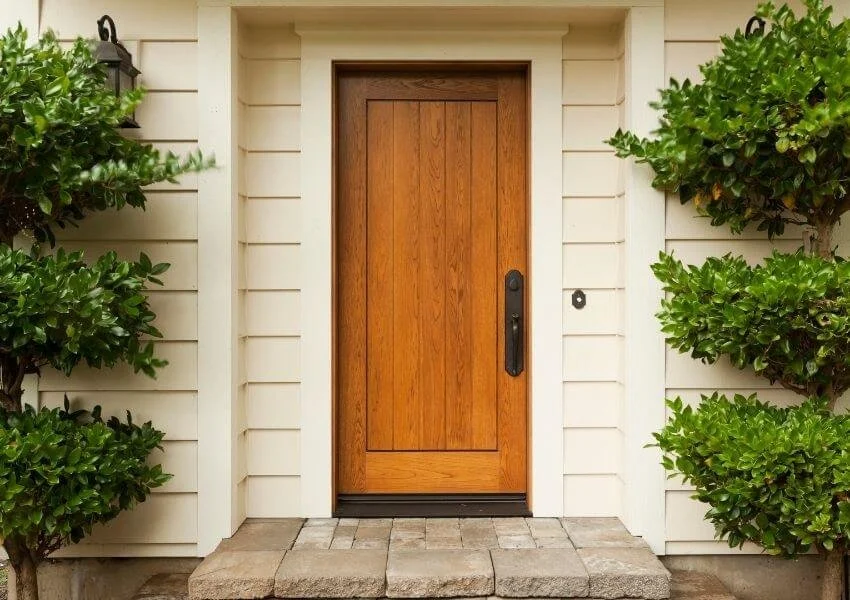
If the door looks dull, chances are it won’t grab much attention. As a property owner, take time to examine your main door that faces the street to see where it could be improved upon.
Even if you’ve planted new grass or added interesting outdoor furnishings, a dreary front door can reduce your curb appeal. So, try adding a fresh coat of paint and replacing the hardware.
Clean Regularly
Keeping your property looking immaculate is important when attracting new renters as the basis of their opinions starts with your curb appeal. To achieve this, follow a consistent cleaning schedule.
If there are any needed repairs, act on them right away. Distorted gutters or broken fences can become an eyesore. Ensure you elicit a good impression by paying attention to your rental’s exterior. The cleaner it is, the more interest it attracts.
Landscape the Property
If you’ve added more greenery, you shouldn’t leave it looking unkempt. You should keep you’re your lawns mowed, and bushes, trees, and shrubs trimmed. If you have superb landscaping, it can really lift your curb appeal. Healthy plants are nice to look at.
Paint the Property
Landlords paint the property every 2 to 4 years depending on the laws in the city. This is part of making the rental home habitable. If you want to create more interesting paintings your exteriors are advisable.
‘Normal wear and tear’ does occur as time goes on, which can affect your rental’s exterior since they’re more exposed to the weather.
Choose high-quality paint and hire a professional painter to ensure that the results are excellent. Going the DIY route can be costly if more mistakes are made. In fact, to boost your curb appeal, it’s even more critical to highlight a properly painted rental home exterior.

Bottom Line
As a landlord, your task is to keep up with the maintenance of your property while continuing to build its value. Updating your curb appeal is part of your responsibility. It also motivates your current renters to renew their leases.
If you’re marketing a new property, focusing on your curb appeal can be a strategic way of attracting new tenants.
Do you need a trusted property management company to assist you in maintaining your rental property? Call Sutton Property Management today! We provide a wide range of property management services that will help you maximize your rental earnings.
Pros and Cons of Living in Grande Prairie
Are you interested in making Grande Prairie your next home? Make your move to Grande Prairie the easiest one yet by being 100% prepared. This article, prepared by us at Sutton Group, aims at showing you what makes Grande Prairie such a wonderful place to live and where it can improve. The Pros of Grand […]
Are you interested in making Grande Prairie your next home?
Make your move to Grande Prairie the easiest one yet by being 100% prepared. This article, prepared by us at Sutton Group, aims at showing you what makes Grande Prairie such a wonderful place to live and where it can improve.
The Pros of Grand Prairie
Part of being a great landlord is understanding what makes your area great. So, Grand Prairie has many great elements that would attract residents:
Great Outdoor Entertainment Areas
The landscape of Grande Prairie makes the city a scenic beauty. The great lakes and the Rocky Mountains attract many tourists, so Grand Prairie is ideal for outdoor entertainment and adventure.
The Muskoseepi Park offers multiple entertainment facilities, especially for families. Residents come to the venue to make memories with their kids and pets on the play area, biking tracks, or various sports facilities.

Fantastic Healthcare
Before you can relocate, you should consider the state of healthcare in the new area. You ought to be sure that you and your loved ones have easy access to the best healthcare options.
Fortunately, Grande Prairie has some of the best healthcare available in Canada. Should there be an accident or emergency, help is only a few minutes away.
There are several highly rated hospitals in Grand Prairie for your health needs. Their treatment utilizes modern medical technology operated by the best medical experts in the area. The local government has also invested in the city’s healthcare.
Various Real Estate Options
A question that investors ask before sinking their resources into a neighborhood is “Does the area offer great options for renting?”
Grand Prairie answers this by having a ton of rental options with any house sizing. If you are looking for studios, duplexes, apartments, or single-family homes, with a variety of amenities, you will find them in Grand Prairie.
Reliable Public Transport
Access to public transport is vital to consider before relocating to a new place. Unfortunately, not everyone owns a car or has the financial capability to acquire one.
So, is there good access to public transport in Grand Prairie? Luckily, yes.
Public transport is popular among Grande Prairie residents and there are two primary options, the regular buses, or the transit service. The former travel through the city while the latter operates from early in the morning to late at night.
Quality Education
The quality of the area’s school and education system is a major influence on a parent’s ultimate decision to relocate or not.
Education has been a focal point for the Alberta government. The provincial cities can boast a robust and comprehensive education system with numerous public schools. There are also local universities in the area.
High Rate of Income
Compared to other neighborhoods in Alberta, the locals of Grande Prairie earn significantly more than average.
Professionals and potential employees tend to move to the area looking for more attractive options. This should bode well for investors looking to buy investment properties in Grande Prairie and rent them out.

The Cons of Grande Prairie
Even though Grande Prairie has a variety of great neighborhoods, it has areas in which it can improve. Such as the following:
High-Income Tax
The stringent tax laws of Alberta apply to Grande Prairie residents. The income taxes applicable in Alberta are higher than in other regions in Canada. These tax laws are inclined positively toward the rich and middle-class fraction of the population.
No Nightlife
Those who enjoy vibrant nightlife will be disappointed with Grand Prairie. The city lacks the vibrancy and excitement found in surrounding cities. So, you may need to travel outside town to enjoy a night out.
A Higher Cost of Living
An area’s average cost of living is important to understand before you move there. You want to know if you can afford to live there. Unfortunately, the cost of living in Grande Prairie is high.
Grande Prairie: An Excellent Place to Live

Although wintry weather and high-income taxes may turn you off to living in Grand Prairie, think about all that you will be missing by being far. The scenic beauty, good education, reliable public transport, and tourist attractions are just a few of what the residents enjoy daily.
These factors and many more make Grande Prairie an excellent place to live or spend your vacation months.
Bottom Line
By knowing the needs and expectations of owners, investors, and tenants, Sutton Property Management has provided stability and growth for our partners.
We are a family-owned and operated property management firm in Grande Prairie, Alberta and there is no situation we have not seen. We have delivered first-class service to property owners by combining current technology with personal attention.
As a result, we at Sutton Property Management are happy to provide the area’s most comprehensive property management services.
Becoming a DIY Landlord? Six Mistakes to Avoid
Investing in a rental property or converting your home into a rental can be an exciting challenge. But new landlords tend to prefer running the property themselves, which can cause problems. New landlords can be caught unaware of the demands of running a rental property. Inexperienced landlords may also not be aware of the variety […]
Investing in a rental property or converting your home into a rental can be an exciting challenge. But new landlords tend to prefer running the property themselves, which can cause problems.
New landlords can be caught unaware of the demands of running a rental property. Inexperienced landlords may also not be aware of the variety of tasks involved in keeping up the condition of their rental unit.
So, we at Sutton Group have put together this article to help all landlords avoid common mistakes when running a rental property:
Write A Lease Agreement
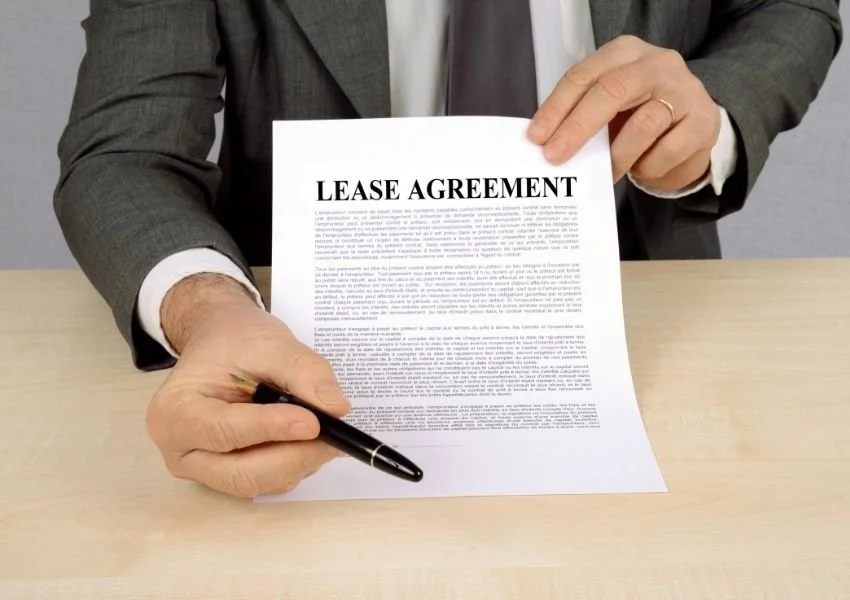
Having a signed rental agreement with your tenants can offer you protection in case a lawsuit is filed against you. Written contracts are binding given that both the landlord and tenants signed the document.
These leasing agreements outline the terms and conditions of the tenancy and they can offer guidance to renters. Without one, asking a tenant to comply with property policies can be tough. Leasing agreements must be made with care and must be legally compliant with State and local laws.
Inspect the Property Thoroughly
Renters are bound to stay for the long-term if the rental property is well-looked after. Although the bulk of the landlord’s responsibility falls on maintaining the unit and adhering to habitability laws, tenants also share in the duty of keeping the rental in reasonable condition.
As a landlord, you should perform regular property inspections. Some landlords even conduct preventive maintenance to catch minor issues early and save on repair costs.
The best thing about being vigilant of your rental’s upkeep is that tenants end up happy. Helping you avoid frequent tenant complaints. Property owners are expected to ensure that their rental homes are secure and meet safety standards.
Fill Any Vacancies
Vacancies are bound to happen when tenants move out and it can take a while to find new renters. So, landlords should have a contingency plan for when this occurs.
Getting your property to rent-ready requires maintenance costs as you tackle repairs and market your vacant unit.
So, it is advisable for property owners to have at least a three-month budget for property maintenance expenses. Setting up these funds will give you peace of mind when you are between tenants.
Screen Your Prospects

In a rush to land tenants, DIY landlords can often miss screening prospects thoroughly. This is a bad practice as it is essential to perform detailed background checking so you know if you have a quality tenant or not.
You can call up previous landlords to find out if their rental homes were treated well. As property damage can be costly, you want to safeguard against abusive and neglectful renters. It is best to minimize the risks by adopting a comprehensive tenant screening procedure right from the start.
Manage Your Time
Being a DIY landlord is a job in of itself. You need to schedule regular inspections and contact the right contractors for property repairs. If time is limited and you have multiple units to manage or working a demanding career, you might need the support of a property management company.
While being a self-managing landlord allows you to learn by doing, it can also hamper your effectiveness if you do not manage your time properly.
You may fail to address tenant complaints right away or respond late to important maintenance issues. As a landlord, your main responsibility is to weigh if you are allocating sufficient time to running your rental home.
Hire a Property Management Company
Running a rental requires the firm enforcement of policies, especially adherence to rent payment schedules. So, outsourcing to a third party for rent collection can be effective.
Property management companies do well as professional representatives of property owners. They have organized systems set up and can be strict in following the leasing agreements. They can also manage things like curb appeal, marketing, emergency maintenance, and eviction proceedings should a renter become abusive and refuse to pay the rent accordingly.
A Property Management company can also help you to process any and all of your taxes. Making tax season fair easier.

Bottom Line
DIY landlords often fail to account for the huge costs of mistakes due to a lack of time and management experience. So, to avoid this and help build your property business, consider hiring a trustworthy property management company to oversee your rental operations and streamline systems.
Remember that your property investment should offer you consistent returns and time freedom. If not, then you may benefit from some help from an expert property manager like Sutton Property Management.
Call today at (780) 532 4900 to find out the different property management services they are offering. You can also send them a message at solutions@suttonpm.com. One of the costliest mistakes is mishandling arrears: read what filing an RTDRS claim in Alberta actually requires before you need to do it.
How to Know if Your Rental Meets Safety Standards
A crucial part of managing rental properties is prioritizing a safe and secure environment. Even State laws require property owners to adhere to building safety, health codes and keeping the rentals habitable. To determine if your rental meets the safety standards, it’s advisable to perform frequent inspections. In addition to shielding your renters from harm, […]
A crucial part of managing rental properties is prioritizing a safe and secure environment. Even State laws require property owners to adhere to building safety, health codes and keeping the rentals habitable.
To determine if your rental meets the safety standards, it’s advisable to perform frequent inspections.
In addition to shielding your renters from harm, conducting preventive maintenance can prevent a number of problems in your property. It can slow down normal wear and tear and keep your tenants happy.
In this post, we are highlighting the areas you should inspect to ensure that they meet the safety standards.
1. Doors and Windows
Take time to inspect the doors in your rental. As the main access point of a home, a good and solid door can protect your tenants from intruders. Ensure that the door frames are solid and the hinges are tight. Place a peephole and bolts to further fortify your door from trespassers.
Another access point are the windows. Regularly test if the latches are solid. If not, install stronger locks. The more durable your doors and windows, the better you can protect your renters from criminals.
2. Walls, Ceilings and Flooring
For flooring, it helps to have smooth and non-slip surfaces. High quality material must be used. This guards against accidents. Children often run around and are most at risk. If residents are older, then they can also be vulnerable to falls. If you spot signs of uneven flooring, it’s best to schedule a foundation inspection.

For walls, be sure there are no cracks. Walls should look smooth and even. If you notice any bulging, curving and peeling paint, schedule for repair. The issue can be traced to a leak or foundation problem. Both are costly if not addressed quickly.
For ceilings, insulation is important to maximize comfort. Proper insulation will ensure that your unit stays warm in the winter and cool in the summer. It also saves on energy costs.
When inspecting the unit, look for water stains, new cracks, peeling paint and a sagging appearance. This indicates that water damage is present.
3. Electrical System
Electrical systems need to be checked since they present danger when faulty wires exist.
Fires often originate from poor electrical conditions. To prevent this from happening, avoid circuit overload. Install more sockets and be cautious when operating your electrical appliances.
Schedule an inspection with a licensed electrician to meet the electrical system’s safety standards.
4. Plumbing
Plumbing issues are generally costly so frequent checkups are a necessity. You must clean the gutters and drainage system. Leaks must also be fixed, and damaged pipes must be replaced.
If you delay fixing broken pipes, flooding can occur. This can cause damage to wooden floors and furniture. Water damage also creates mold problems, which can put the residents’ health at risk.
5. Home Security
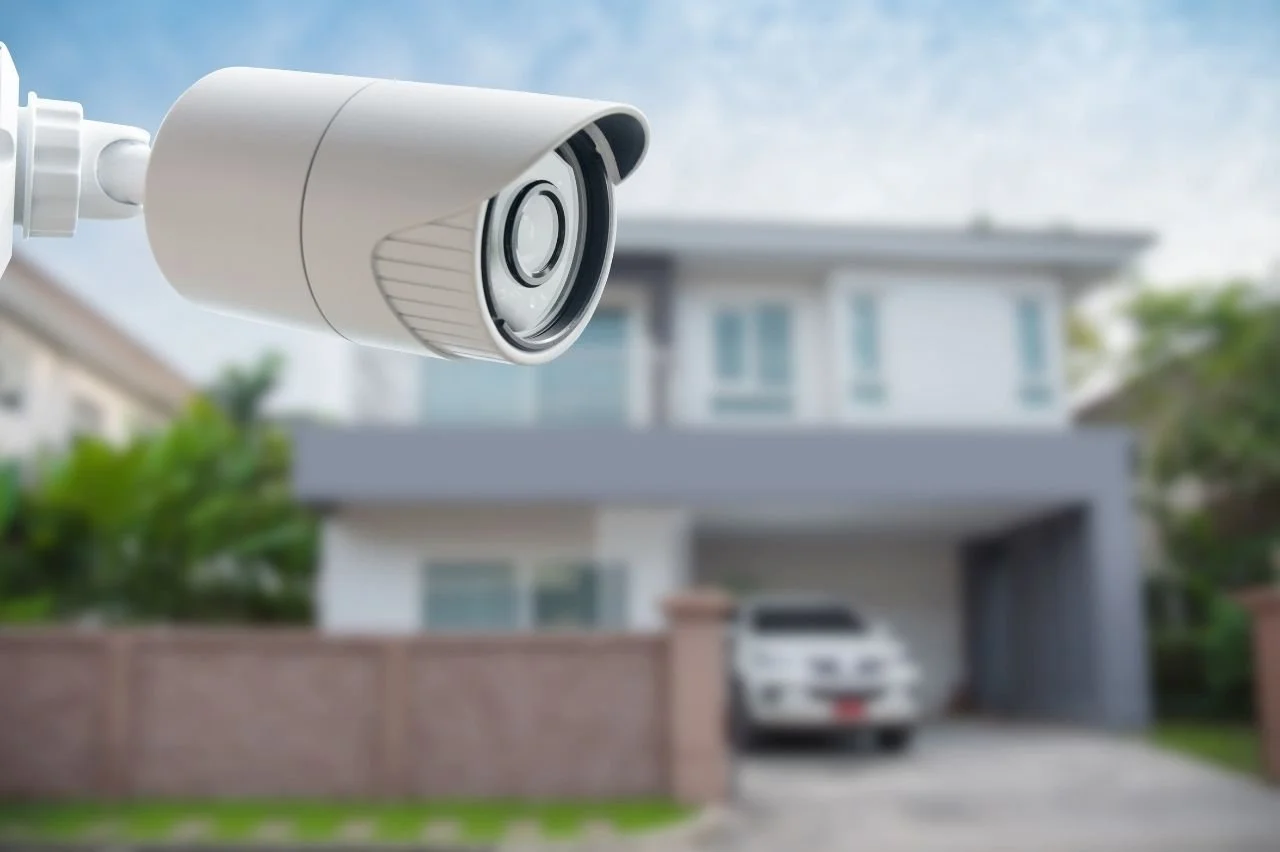
Security systems deter trespassers from entering your home. You should invest in security cameras, alarms, motion sensors and smoke detectors. Having these safety devices are instrumental to guarding the safety of your rental space.
Be sure to test your security systems to make sure they’re working properly.
6. Appliance Maintenance
Note down the life expectancy of each appliance and replace or repair those that are damaged.
Using appliances when damaged can lead to more damage.
Invest in high quality appliances to reduce breakdowns and preserve their usage. Safety features also accompany newer gadgets.
7. Heating System
Heaters can cause fires if not well-maintained. Schedule an inspection to assess if there’s any damage to the heating system. This should be done prior to the winter season when heaters are heavily used. Also, boilers should be evaluated annually.
Age of Property
While all properties should be regularly inspected, pay close attention to older properties.
Property renovations are essential for older properties. This is to ensure that the rental home is safe for the residents.
Main structures, home systems, flooring and roof need to be examined so they remains secure.
Bottom Line
As a landlord, tenant safety should be your top priority. To ensure security, you should conduct property inspections regularly.

During your inspection, be sure to assess the following:
Plumbing systems
Electrical systems
Heating systems
Security systems
Appliances
Walls
Floors
Ceiling
Doors
Windows
No matter your property’s age, be sure it adheres to the property safety standards.
If you don’t think you have time to ensure your properties are safe and secure, or you don’t think you have time for regular property inspections, then hire a property management company!
At Sutton Property Management, we can perform preventive maintenance on your rental home and take care of all your property management responsibilities.
Contact us today!
How to Conduct a Tenant Walkthrough Inspection
When a new tenant moves in, it is essential that you conduct a thorough walkthrough inspection to document the exact state of the property. By conducting a walkthrough inspection with your tenant, you will protect yourself from having to pay for any potential damage that occurs while the tenant is living on your property. In […]
When a new tenant moves in, it is essential that you conduct a thorough walkthrough inspection to document the exact state of the property. By conducting a walkthrough inspection with your tenant, you will protect yourself from having to pay for any potential damage that occurs while the tenant is living on your property.
In a walkthrough inspection, you will follow a checklist and have your tenant sign off on it. This way, if the damage is to occur, you will readily have proof that the damage was not existing when the tenant moved in. With this proof, you will be able to deduct the damage from the security deposit without dispute.
Now that you know why it is important to conduct an inspection, let’s get started! In this article, you will learn how to conduct a walkthrough inspection and protect yourself from having to pay for any potential damage to your property.
Creating a Checklist

Having a good checklist is key to conducting a good walkthrough. A checklist will not only ensure that you don’t miss anything that could violate landlord-tenant laws, but you can have your new tenant sign off on each point on the checklist.
We’ve put together a list of what you should include on your checklist. Keep in mind that you may need to add/remove things from your own checklist depending on what amenities your property has.
Condition of flooring
Condition of walls and ceiling
Condition of doors and windows
Condition of kitchen appliances
Condition of bathroom fixtures
Condition of countertops
Condition of fireplace
Condition of outdoor living area
When documenting conditions, be as detailed as possible. You must write the exact condition of the property and have your tenant sign off on it. When your tenant moves out, you will use the same checklist and document the condition of the property again.
If you have a detailed write-up when the tenant moves in, you will be able to quickly account for even the smallest amount of damage when your tenant moves out.
But, if you have any questions, you could contact a property management company like us at Sutton Group. We have years of experience managing property inspections and will be happy to help.
What to do Before the Inspection With Your New Tenant

Before you inspect your property with your new tenant, you will of course want to inspect it by yourself first. Normal wear and tear are expected to happen, so you will likely want to fix things or even make upgrades to your property between tenants.
For example, you might want to paint the walls if there are small marks or consider updating your kitchen appliances if they are becoming dated.
When you show your new tenant that you treat the property with care, they are likely to do the same. A tenant will be less likely to treat a property with care if it is not in good shape when they move in.
What to do During the Inspection
When conducting the inspection with your tenant, go over everything in detail and answer any questions your tenant may have. This is also a good time to discuss clauses in the lease agreement related to things like painting the unit or putting nails on the walls to hang pictures as well as what constitutes breaking the lease.
Remember that the inspection is protecting both you and your tenant. So, you will want to show them that you care and that you want them to understand rules relating to what they are allowed to do to the property.
What to do When Your Tenant Moves out

When your tenant moves out you will conduct a walkthrough inspection using the same checklist as when they move in. The move-out inspection should be conducted when the tenant has removed all their belongings and cleaned the unit. Ideally, you will conduct the inspection when the tenant turns over the keys.
Just like when the tenant moved in, you will go over the condition of the property in detail. If damage has occurred, the tenant will not be able to say that the damage was existing when they moved in, because they signed off on the condition of the property during move-in. Hopefully, this streamlines any end-of-tenancy issues.
Bottom Line
A walkthrough inspection doesn’t need to be complicated! Make sure you create a detailed checklist and have your tenants sign off on it as you conduct a walkthrough when they move in.
Your property should be in good condition when the new tenant moves in. By showing the tenant that you care about the property, they will also treat it with care.
When your previous tenant moves out, you should make any necessary repairs to the property before your new tenant moves in. This is also an excellent time to make upgrades to the property.
When a tenant moves out, you will conduct a walkthrough inspection of the property using the same checklist as when you moved in. This way, you can easily account for any potential damage to the property.
If you have any further questions, please don’t hesitate to contact us at Sutton Group.
15 Terms All Real Estate Investors Should Know
Of all the options for investments, real estate stands out among the best. For starters, it offers landlords a steady and reliable stream of income. Other benefits that make real estate a notable investment option include the tax benefits, its appreciation qualities, and that it’s a hedge against inflation. However, property follows the same trends […]
Of all the options for investments, real estate stands out among the best. For starters, it offers landlords a steady and reliable stream of income. Other benefits that make real estate a notable investment option include the tax benefits, its appreciation qualities, and that it’s a hedge against inflation.
However, property follows the same trends as other investments. The world of real estate investing has its own jargon when matters are being discussed or during transactions. As a result, some people new to investing in Grand Prairie real estate may feel out-of-the-loop.
In this blog by Sutton Group, the leading property management company in Grande Prairie, we’ll break down a few real estate terms that all investors should know!
1. Rental Property
Starting off easy, here – when speaking about properties as an investment, rental properties are usually the kind being referred to. A landlord receives periodic (usually monthly) payments for the occupation of their property. A rental property can either be residential or commercial.
2. Traditional Rental/Long-term Rental
This is where a tenant will occupy a space for a longer period of time. It’s the most common form of renting. This particular option has several benefits to you as the landlord, as it offers you a more consistent income, it’s easier to manage, and results in a lower turnover.
Long-term tenants usually sign leases that last a year.
3. Short-Term Rental/Vacation Rentals
This is a form of renting that’s become more popular in recent years thanks to the use of short-term vacation apps such as Airbnb, Booking.com, and Expedia. Renters occupy a furnished property for a short period of time, spanning between a few days to a week or two.
Depending on the particulars of the market, short-term rentals can offer landlords more money than long-term rentals. This is true in popular vacation spots, where owners are able to quickly adjust pricing during the popular season.
4. Cash Flow
This refers to the money you take home every month after deducting all operating expenses and costs. Cash flow at the end of every month can be positive or negative, depending on your rental property performance.
5. Pre-approval letter
This is a document you acquire from a lender or borrower, stating their willingness to lend you a certain amount of money. This document should not be mistaken for an assured loan offer.
Sellers often consider buyers who have a preapproval letter. In most cases, the document has an expiry date on it, from 30 to 60 days. Therefore, only get the letter once you’ve identified the investment property of your dreams.
6. Debt-to-Income Ratio
This financial metric is one of many used by lenders. It’s used to contrast the possible monthly debt repayments against gross income.
This metric is used to determine whether an individual is able to meet the demands of their monthly mortgage repayments.

7. Credit Score
Yet another financial measure that’s expressed as a numerical figure. An individual’s credit score shows their creditworthiness and will determine whether you qualify for a loan based on past credit files.
8. Off-Market Property
For a property to be sold, a seller or their agent will usually advertise the property on numerous listing platforms. An off-market property is one that’s for sale, but isn’t listed or advertised on listing sites.
9. Foreclosure
To acquire a property, a homeowner or rental property owner may consider taking a loan. If you do so, you’ll be required to pay monthly or quarterly repayments.
If you fail to make these repayments, the lender has the right to repossess the property. The property will be said to be in ‘foreclosure’.
A home can also be in foreclosure due to unpaid property taxes or other fees.
10. Homeowners Association Fees
While more common in the states, Homeowners Associations do exist in Canada. These are a body that govern the management of properties in a community, subdivision, or condominium.
HOA fees assist the association in meeting its obligations, such as maintaining amenities and repairs to common areas.
When evaluating a home or rental property, you should consider whether you’ll need to pay HOA fees.
11. Buyer’s Market
This term refers to a property market where the demand for property is lower than the supply of new housing. Due to this, sellers are bound to lower their prices. A buyer’s market is the perfect market for any investor to start buying properties.
12. Seller’s Market
In a seller’s market, the demand for property is significantly higher than the supply of new housing. The higher demand causes the prices to increase, making it an attractive market for sellers. A great example of this is what happened in 2020.

13. Appreciation
This is one of the big benefits of investing in real estate. Appreciation refers to the increase in the value of an asset.
Several factors can cause this increase in value: improvements in the local economic situation, renovations, infrastructure development, or local development in the neighborhood.
However, it should be noted that appreciation is not a given. House prices can depreciate. If there is a significant decline in demand or the property isn’t well-maintained, you can expect the value to drop.
14. Predictive Analysis
This is the collection and analysis of historical data to predict future trends in the market. Predictive analysis is important for real estate investing, as it offers investors reliable forecasts so they can use to make informed decisions.
15. Net Operating Income
Often abbreviated as NOI, this is the income that an investment property generates annually after the deduction of all property expenses. The expenses considered in this calculation include utilities, management fees, and property taxes.
Trusted Grande Prairie Property Management Company
Real estate is a specialized field that requires resources, expertise, and industry knowledge. Investing in a poorly performing market could lead to the loss of your hard-earned money and savings. Unburden yourself of this stress by contacting the experts at Sutton Group!
Our professional services are designed with the client in mind. We always seek to create solutions that will meet your individual needs as a property investor. Our reputable team is available, committed, and ready to offer you great services, as we’ve done for many investors before!
Hiring a Property Manager vs. Self-Managing: What’s Better?
“Should I hire a property manager or self-manage my rental property?” This is a question that every property investor has probably found themselves asking at one time or another! For some investors, self-management may be a good option. This is especially true if you live close to your property and have prior experience in managing […]
“Should I hire a property manager or self-manage my rental property?” This is a question that every property investor has probably found themselves asking at one time or another!
For some investors, self-management may be a good option. This is especially true if you live close to your property and have prior experience in managing and maintaining rentals. Self-management can also be a good option if you’re looking to have full control over your investment.
For others, however, hiring a property manager can be in your best interest. You may be able to save a lot of time and stress if you hire a good property manager.
Whether you’re already a property owner or you’re looking to buy an investment property in Alberta, we’ll help you make the decision between self-managing or hiring a property management company.
Benefits of Self-Managing your Rental Property
1. You’ll get some experience.
Experience is key when it comes to running a business, and a rental investment isn’t any different. Managing the day-to-day tasks of running your property will help you learn the ropes of the business.
Also, the experience you acquire may help you later on; if you eventually choose to have others run your property, you’ll know how they should treat your investment. You’ll be able to know what the best strategy is for your property.
2. No one cares about your property as much as you do.
This isn’t to say that all property owners care for their properties in the same way, of course. But you’re the one who paid for the property, so chances are, you’re the one who cares most about it!
That extra care can make all the difference. There are good and bad property managers, some of whom won’t take care of your property as well as you would.
3. All decisions will be yours.
You’ll have increased control over your property if you choose to manage it yourself. Not having to consult with anyone else will mean an easier decision-making process.
4. You might save some money.
Generally speaking, hiring a property management company means you’ll have to give them a cut of your gross rental income. The fee varies for each property manager, but it typically hovers around 10 percent.
So, while you can technically save yourself that loss of profit by managing your property yourself, there are other things to consider.
The role of a property manager is to make you money by bringing in tenants who renew their leases consistently, and thus increase your long-term investment return.
A team of property managers is usually able to do this more effectively than a single landlord, so you may lose money in the long run by self-managing. That being said, it depends on your experience and time commitment.
Benefits of Hiring a Property Management Company

1. A property management company is resourceful.
A property management company is in business for one purpose: to manage rental properties.
As a single landlord, you have many responsibilities to tend to outside of managing your rental. A property management company, on the other hand, is always working to keep your property marketable and profitable.
They have the staff, policies, technology, contacts, and all other resources such as notices and application forms necessary to run a successful rental.
In addition, a good property management company will have an established list of reliable vendors and contractors to call upon whenever necessary.
2. A property management company understands all relevant laws.
Many regulations govern the landlord-tenant relationship, from landlord-tenant laws to habitability laws and more. If you aren’t well-versed in these laws, you may accidentally find yourself in legal hot water.
In Canada, each province has its own renting law. There are different rules that landlords and tenants must follow in each province. In Alberta, for instance, landlords are required to familiarize themselves with the Residential Tenancies Act.
A good property management company will be knowledgeable about the act, and represent you in court should any legal issues arise.
3. You’ll have free time to do other things.
This is arguably one of the top reasons why property owners choose to hire property managers.
Being a landlord is time-intensive. Between finding and screening tenants to maintaining the unit and collecting rent, being a landlord can feel exhausting.
Luckily for you, hiring a property management company can free up time so that you can tend to more important things in your life.
4. A property management company can handle all aspects of property management.
Being a landlord can be stressful, no doubt. Between unhappy tenants and late-night maintenance calls, managing your property can be anything but easy.
Thankfully, hiring a good property management company can help you with all aspects of property management. You won’t have to worry about:
Filling vacant units. A good property manager will have a reliable marketing strategy to help you fill your vacancies quickly.
Renting to the wrong tenants. A good property manager will have an effective screening process that minimizes the chances of renting to a problem tenant, and can handle evictions if needed.
Responding to maintenance calls. Whether urgent or not, a property manager will have the resources to respond to maintenance and repair issues in a timely manner.
Missed or late rent payments. Rent is the bread and butter of any rental investment. A good property manager will not only know how much to charge tenants, but also have effective strategies in place for collecting it.

So, that brings us to the question: To self-manage or to hire a property management company? Much like everything else, there is no direct answer. You’ll have to consider a lot of things, such as your free time, rental management skills, and experience.
How to Find a Good Property Management Company in Alberta
If you choose to hire a property management company, then it’s imperative to hire the right one. Because, just like everything else in life, no two companies are the same. So, how do you find the right management company in Alberta?
By screening them!
The following are some questions you’ll want to a property manager:
How much are your property management fees?
What services do you provide?
How do you screen prospective tenants?
How do you handle maintenance requests? Do you have an in-house maintenance crew, or do you hire outsiders?
How do you handle late or missed rent payments?
How effective is your marketing process?
How many rental properties do you currently have in your management portfolio?
What criteria do you have when determining the rent amount to charge tenants?
Do you have a license from the Real Estate Council of Alberta (RECA)?
If you’re looking for the best property management company in Grand Prairie, Alberta, get in touch with Sutton Property Management! We have many effective services that’ve helped countless landlords just like yourself over the years.
How to Increase Your Income Without Raising Rent
Owning a rental property is one of the best ways to make a good passive income. Once you have attracted tenants, you can be guaranteed a fixed income. After several years of receiving the same fixed amount, you may feel it’s time to increase the rent. However, increasing the rent may result in a […]
Owning a rental property is one of the best ways to make a good passive income. Once you have attracted tenants, you can be guaranteed a fixed income. After several years of receiving the same fixed amount, you may feel it’s time to increase the rent.
However, increasing the rent may result in a higher tenant turnover rate that will be counterproductive to growing your investment. So, how do you increase your income without raising the rent?
In this article, we offer some alternative ways on how to increase your income without raising the rent for your rental property.
Enforce Penalties for Late Payment
Late payment fees are typically a standard item in current leasing agreements. However, these fees may not always be enforced. This provides a great way to increase your income, by enforcing what is legally yours. Furthermore, by a keeping record of the payment dates, it will be easier to enforce the collection of late payment fees.
Property management companies are a great solution to enforcing these fees. They can help you keep track of your tenant’s payment records, collect the fees owed to you, and deal with your tenants directly, leaving you with more free time and money in your pocket.

Impose Pet Fees on Your Tenants
In Alberta, it is up to you as the landlord to decide if you want to allow pets in the building. Allowing pets in the property can potentially lead to higher repair costs after the tenant and their pet has left the unit.
Charging pet fees can be a great way to having these payments covered. Thus, putting more money in your pocket. Pet fees are a one-time deposit separate from security deposits in Alberta and must be enforced on the tenant for a genuine reason. Being able to research and determine a proper pet fee can be an essential need when trying to save for future repair costs.
A professional service such as a property management company could be an asset in helping you determine a proper and fair pet fee, while also saving on repair costs. They can also help collect the pet fee from your tenants for you.
Build Relationships With Local Businesses
As a property owner, building repairs are an unavoidable task. Whether it is for plumbing, landscaping or daily maintenance, repairs need to get done. These can be costly.

Maintaining and keeping a solid business relationship with local service providers can help save costs in the long term through personal discounts and being a returning client.
Hiring a property management company may also prove to be a great asset in reducing maintenance costs. These companies will already have strong relationships with reliable local businesses to quickly resolve maintenance issues on your building for a reduced cost.
By dealing with these companies for you, they can also help ensure the quality of the workmanship needed to take care of your properties. This can save you the time from building these relationships, and get you the savings where they matter most- your bank account!
Offer More Storage Spaces
Anyone can appreciate having more storage space. You can use this opportunity to make some extra money. You can charge more from your tenants for access to storage spaces such as in basements, attics or sheds.
This can be especially profitable for multifamily and urban properties since most of them would appreciate additional storage space. If you have more than enough space you can let out the storage to neighboring tenants.
Rent Out Parking Spaces
If you have limited parking space for your tenants, you can look for additional parking spaces for your tenants. You can use this as a means to make more money where you charge them for parking in these spaces. This can be particularly useful for properties in urban locations.
Conclusion
The tips above are just some of the many ways you can make an extra income from your property. However, just as with any other investment it is important to research before putting an idea into action.
This research can be time-consuming and require you to be familiar with legal boundaries. This is why a property management company may be the right solution for helping you diversify your investment in a safe and reliable way.
For more sound and professional advice on your property needs, reach out to Sutton Property Management. Our team is always ready and willing to discuss all things property with you. We have helped hundreds of landlords and property investors in the past and can do the same for your investment in Alberta real estate.
Top Amenities Renters Can’t Resist in Grande Prairie
As a landlord, to have a successful property, you need to be intentional with the services that you provide. This is especially true when your property is located in a competitive market. To lure in a tenant, you need to get ahead of your competitors by making sure you’re offering many sought after amenities. First, […]
As a landlord, to have a successful property, you need to be intentional with the services that you provide. This is especially true when your property is located in a competitive market. To lure in a tenant, you need to get ahead of your competitors by making sure you’re offering many sought after amenities.
First, identify your target market. Then, offer amenities that can meet their wants and needs. In doing so, you will fill your property vacancies quicker than ever!
In this article, we are looking at a number of amenities that you may want to consider installing to make your properties more attractive to tenants. Having an appealing property also means that your tenant turnover will be low!
Here are the some of the amenities that renters in Grande Prairie always look for:
1. Security and Safety
Many renters look for safety in a rental property because no one wants to feel threatened or unsafe in their place of residence. Therefore, it’s extremely important for you to ensure that your tenants are safe.
When it comes to security, one of the popular amenities is gated access. Gated access verifies who is entering and exiting the property. This way, everyone who is accessing the property is inspected.
Other amenities you can consider providing include:
An alarm system
Security cameras
Automatic locking doors
A good and reliable security personnel
Not to mention, make sure your rental can be properly and safely winterized for the colder months. By providing the above amenities, you can confidently tell your tenants that they are safe living in your unit.
2. Ample Parking
Offering parking can be very attractive to tenants. Many renters leave their rental unit if it doesn’t have adequate parking. It is very frustrating for a person to spend time looking for parking after a long day’s work.

Therefore, we recommend you offer your renters parking. You can assign a few parking spaces to each unit. Assigning parking has become popular, especially in urban centers where space is usually limited.
3. Walkability
Prior to investing in property, consider how accessible it is for future tenants. Choosing the right location for your Grand Prairie property makes all the difference. A property that’s in a hidden place and that’s not easily accessible is not ideal.
It’s best to invest in a property that’s within a few minutes walking distance from major points of interests, such as bus stops, universities, and restaurants.
It’s also important to know your target market. Identify your target market in order to find the best location for your property.
4. In-Unit Washer and Dryer
Having an in-unit washer and dryer in your property could be an added advantage over your competitors. Renters would appreciate this amenity as it would help them avoid weekly trips to the laundromat every now and then.
Having the in-unit washer and dryer will make your property stand out as laundry is a basic necessary for everyone.
However, when making such an investment, you need to do your research. You want to find a washer and dryer that is good, but also affordable. You also want to make sure you maintain it every so often.
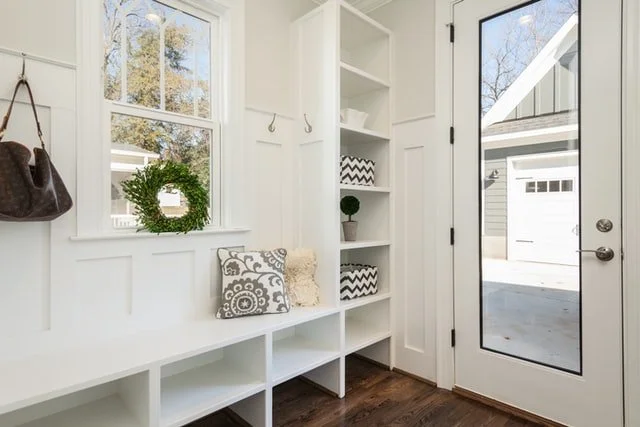
5. Plenty of Storage
Storage spaces are attractive to all tenants. If your property has built-in storage and huge kitchen cabinets and pantries, you will definitely attract many of tenants.
People want to have ample space for their belongings without having to compromise their comfort.
6. Outdoor Spaces
Renters will appreciate outdoor spaces. It could be what sets your property apart from the rest.
If you have an outdoor space, you should always remember to maintain the landscape. The look of the exterior of your property is almost as important as the interior! Consider adding beautiful flowers and having your shrubs and grass evenly cut. Overall, you want to maintain the look of your unit’s exterior.
You may also consider including additional special amenities to your outdoor spaces, such as fireplaces, game courts and swimming pools. This can be highly attractive to prospective tenants.
7. Flexible Pet Policies
Many tenants own pets. So, most tenants will often be looking for pet friendly spaces during their house hunts.
However, if you allow pets in your rental, you want to make sure you state some clear rules. Make sure that these rules are stated and emphasized in the lease.
Having a rental that accepts pets and that offers a conducive environment for all of them could be attractive to pet owners. They will definitely consider your space when looking for their next home.
In Conclusion
As a landlord, you should consider providing services and amenities that other rental properties may not be offering. This will help you to attract prospective tenants and fill your vacancies quickly.
As an overview, here are some of the things you can provide:
Safety and security
Ample parking
Walkability
In-unit washer and dryer
Plenty of storage
Outdoor spaces
Flexible pet policies
If you offer some of those amenities, not only will you attract tenants easily, but you’re also more likely to retain your tenants!
If you’re looking for more help, or have any further questions, feel free to contact Sutton Property Management.
We are an experienced and reputable property management company in Grande Prairie, Alberta. We specialize in providing quality, unparalleled property management and real estate investment services in the area. If you are a property owner or an investor in Grand Prairie, you can reach out to us today!
How to Keep Renters Happy
There is nothing that kills rental profit more than high tenant turnover. When it comes to operating a rental property, the costs of re-renting a unit are some of the most expensive and labor-intensive tasks for landlords, especially if mistakes are made. So, the key to maximizing your rental income is improving your tenant retention […]
There is nothing that kills rental profit more than high tenant turnover. When it comes to operating a rental property, the costs of re-renting a unit are some of the most expensive and labor-intensive tasks for landlords, especially if mistakes are made.
So, the key to maximizing your rental income is improving your tenant retention ratio. But how exactly do you do that? Well, that’s what this article is going to teach you.
In this post, we are offering 6 tips to keep your renters happy.
1. Have a Clear Lease Agreement
A clear lease or rental agreement will help foster a good landlord-tenant relationship. A good agreement should be able to spell out each party’s responsibilities.
The lease should also clearly outline all your policies, such as:
Pets: Will you allow pets in your premises?
Smoking in the unit: Will it be allowed?
Subletting: If you’ll allow it, what are the rules?
Alterations: Will you allow tenants to make changes to the property, such as paint the unit a different color?
2. Communicate the Right Way
How you treat your tenants can have an impact on how successful or unsuccessful your rental investment becomes. To succeed, you need to view your tenants as equals.
In order to better your communication with your tenant, you’ll need to take into account their preferred mode of communication and where you live in relation to them.
If you’re renting to a millennial renter, then you may need to text more. If renting to a baby boomer, then you may need to shift to phone calls and emails.
No matter how you choose to communicate, always do so in a respectful way.
3. Be Responsive to Maintenance Issues
This is a big one!
Nothing frustrates a tenant more than having an unresponsive landlord. In fact, failing to respond to maintenance issues is one of the leading causes of high tenant turnover.

Remember, as a landlord, it’s your responsibility to ensure your tenant lives in a habitable rental property. And if you fail in that responsibility, your tenant may have several options to choose from.
Here are their options:
They can withhold further rent payments until you fix the repair or maintenance issue.
They can report you to relevant local authorities.
They can move out without further responsibilities under the lease or rental agreement.
Neither of these options are ideal, right? So, make sure you’re proactive when dealing with maintenance issues!
4. Respect your Tenant’s Privacy
You cannot show up at your tenant’s unit unannounced. In fact, even stopping by to say ‘hi” can be an infringement of their privacy rights, especially when done repeatedly.
That said, as a landlord, you have a right to access the property under certain conditions. You may need to do so in order to carry out important responsibilities, such as:
To show the property to prospective tenants.
To make requested or needed repairs or improvements.
Under court orders.
If you have reasons to believe the tenant has abandoned the unit.
If given permission by the tenant.
In case of a genuine emergency.
Different cities have different laws in regard to landlord entry. In Alberta, for example, landlords must provide their tenants a notice of 24 hours prior to entry. The time of entry must also be reasonable.
5. Consider Allowing Pets into your Rental Property
Whether or not you allow pets in your unit is your choice. That said, according to GlobeNewsWire.com, a whopping 58% of Canadian households own at least one pet.
This means that one in every two Canadians own a pet. And that figure continues to rise with each passing year!
With that in mind, it only makes sense for you to accept tenants with pets. Why? Well, for one, you’ll have a huge tenant pool to work with. And two, your rental may become more desirable as only a handful of landlords accept pets.
Admittedly, though, allowing pets into a rental isn’t without its fair share of challenges. Pets can cause property damage, noise, and more! However, you may be able to minimize such issues by having a pet policy in place.
In your pet policy, you can specify the number, size and type of pet allowed.
You may also want to ask the tenant the following screening questions before accepting them and their pet in your rental:
What type of pet do you have?
Is your pet housetrained?
Who cares for your pet when you are away?
Can you provide a written reference for your pet from a current landlord?
Is your pet healthy? If so, can you provide a letter from your vet confirming it?
How long have you had your pet?

6. Charge the Proper Rent Amount
No tenant is going to be happy if you’re overcharging them. In fact, they will be looking forward to moving out the first chance they get.
If you want to attract and retain a good tenant, you want to charge them the right rent amount. The right rent amount is one that allows you to maximize your income while ensuring your rental is competitive in the market.
To charge the right rent amount, conduct a comparative market analysis in your neighborhood.
Also, when raising rent, be realistic! In Alberta, landlords are free to raise it to whatever amount they like. That said, overcharging your tenants will only mean long vacancies for you. Prospective renters do their research and will only rent reasonably priced units.
Bottom Line
If your renters are happy, you will be happy! Happy tenants tend to pay rent on time, care for their premises, and rent long-term.
This means you will be able to maximize your ROI!
We hope these 6 tips are helpful for you! If you want more tips on how to be a great landlord, read our post here!
If you still feel overwhelmed and are seeking more help, contact Sutton Property Management today!