

Property Management Blog
Tips to Find Great Tenants For Your Rental Property
Finding great tenants isn’t just about luck—it’s about having the right strategy in place. As a landlord, your goal is to attract responsible, reliable renters who will treat your property with respect and pay rent on time. The good news is, quality tenants are out there—you just need to make your property stand out in […]
Finding great tenants isn’t just about luck—it’s about having the right strategy in place.
As a landlord, your goal is to attract responsible, reliable renters who will treat your property with respect and pay rent on time.
The good news is, quality tenants are out there—you just need to make your property stand out in a competitive market.
At Sutton Group PM, we specialize in helping landlords like you implement proven property management strategies that not only attract top-tier tenants but also ensure a smooth, profitable rental experience.
By following these expert tips, you’ll increase your chances of securing the best tenants for your property—and keep them for the long term.
Top Tips to Find Great Tenants
Attracting responsible, long-term renters is key to a successful rental experience.
Here are some top tips to help you find the right tenants for your property:
Identify Your Ideal Tenant
Before advertising, take time to define your target tenant.
Consider the neighborhood—who typically lives there? Is your property near schools and parks, making it ideal for families? Or is it in an area popular with young professionals or students?
Understanding your ideal tenant allows you to tailor your marketing efforts to attract the best-fit renters.
Use Targeted Advertising
Once you know who you’re trying to reach, focus your efforts on platforms they use.
For students, try campus bulletin boards, university websites, and social media.
For families, explore local newspapers, online parenting groups, or community forums.

The more specific you can be in reaching your ideal renter, the more effective your advertising will be.
Maximize Your Online Presence
Most renters start their search online, so it’s essential to list your property on popular rental websites like Zillow, Craigslist, and Rent.com.
Consider specialized services like Rentseeker.ca, which syndicate listings across multiple platforms.
High-quality photos and a compelling description will make your listing stand out to serious renters.
Showcase a Move-In Ready Property
First impressions matter. Ensure that your property is clean, well-maintained, and free of clutter before showings.
Fresh paint, clean carpets, and completed renovations can significantly improve appeal.
A move-in ready property signals to potential tenants that you take pride in maintaining your space.
Present Yourself Professionally
How you present yourself as a landlord speaks volumes.
Dress neatly, communicate clearly, and stay organized.
A professional demeanor reassures potential tenants that the property is well-managed and that they can rely on you for a smooth rental experience.
Highlight the Neighborhood Benefits
Renters are not just looking for a place to live—they’re looking for a lifestyle.
When showing the property, mention nearby amenities like parks, shopping centers, schools, and public transit.
Highlight low crime rates or strong community involvement to show the area’s appeal.
A desirable neighborhood can make your rental stand out.
Host Open Houses for Greater Reach
Instead of relying solely on scheduled showings, consider hosting an open house.
This allows multiple potential tenants to view the property at once, creating a low-pressure environment and increasing your chances of finding the right renter.

It also lets you meet and evaluate several candidates in one go.
Stay Aware of Market Trends
Keep an eye on local rental trends.
Know what similar properties in your area are charging, what amenities they offer, and how they market themselves.
If competitors are offering move-in specials or upgraded features, be prepared to adjust your strategy to stay competitive.
Use Positive Language in Tenant Interactions
The words you use matter. Instead of referring to renters as “tenants,” try calling them “residents.”
This shift in language can help create a sense of community and respect, encouraging positive relationships and reinforcing the feeling that they are valued members of the property.
Provide Convenient Payment Options
Offering flexible payment methods can make your property more appealing.
Consider accepting online payments through platforms like PayPal or property-specific services like Payquad.
This ease of payment can help tenants stay on top of rent and reduce late payments.
Balance Friendliness with Professionalism
It’s important to be approachable, but maintaining professional boundaries is equally important.
Being too friendly can blur lines and lead to complications later on.
A professional yet warm demeanor helps build trust while maintaining clear expectations and boundaries.
Incentivize Tenant Referrals
Happy tenants are often your best source for finding quality renters.
Consider offering a rent discount or a gift card as a reward for successful referrals.
This encourages current tenants to recommend like-minded individuals, helping you attract responsible and reliable renters.
Listen Carefully to Potential Tenants
Pay attention to how potential tenants speak about past landlords or rental experiences.

Do they bring up conflicts or issues frequently? Are they focused on lease loopholes?
Their responses can offer valuable insights into whether they’ll be responsible renters.
Conduct Thorough Tenant Screening
Never skip the screening process.
Always check references, verify employment, and perform credit and background checks.
Contact previous landlords to ask about payment history, property care, and any past issues.
Thorough screening may take time, but it’s worth it to avoid costly problems down the line.
Be Honest and Transparent About the Property
Honesty is key.
Be upfront about what is included in the rent, any extra fees, and important details like parking or nearby construction.
Transparency ensures that tenants have clear expectations and are more likely to be satisfied with the rental long-term.
Final Thoughts
Attracting great tenants is the foundation of a successful rental business.
By defining clear criteria, conducting thorough screenings, and maintaining a well-kept property, you can attract responsible renters who pay on time and care for your property.
However, managing tenant applications, background checks, and lease agreements can be time-consuming.
That’s where Sutton Group PM comes in.
Their expert team can handle everything, from finding quality tenants to managing day-to-day operations, so you can enjoy hassle-free rental income.
Reach out today to learn more about how Sutton Group Grande Prairie Property Management can simplify property management and bring you peace of mind.
Can You Sell a Property Occupied by a Tenant?
Have you ever wondered if it’s possible to sell a property with an active lease in place, and how it might impact your rights as a landlord? This situation is more common than you might think, especially when the timing of the sale overlaps with a tenant still occupying the property. While the process of […]
Have you ever wondered if it’s possible to sell a property with an active lease in place, and how it might impact your rights as a landlord? This situation is more common than you might think, especially when the timing of the sale overlaps with a tenant still occupying the property.
While the process of selling an occupied rental can seem complicated, the good news is that it’s entirely doable with the right approach.
At Sutton Group Property Management, we specialize in helping landlords navigate the complexities of selling tenant-occupied properties.
Balancing your responsibilities as a landlord with the legal aspects of a property sale requires careful planning, transparent communication, and a clear understanding of your rights.
In this article, we’ll walk you through everything you need to know to make informed, confident decisions that benefit both you and your tenants.
Understanding Your Legal Rights as a Landlord
Before selling an occupied property, it’s essential to understand your rights as a landlord. The lease agreement you signed with your resident plays a big role here.
If it’s a fixed-term lease, your resident has the legal right to remain in the property until the lease ends—regardless of the sale.
However, if it’s a month-to-month agreement, you might have more flexibility to provide notice and end the tenancy before selling.
Being familiar with your state or local landlord-tenant laws is crucial, as these regulations often dictate notice periods, lease protections, and your ability to sell with or without the resident’s cooperation.

Can You Sell with a Lease in Place?
Yes, you absolutely can sell a property with a lease in place! Many landlords do this, but the process depends on the type of lease.
For fixed-term leases, the buyer typically “inherits” the lease, meaning they take over as the new landlord until the lease expires.
On the other hand, with a month-to-month lease, you have the option to negotiate with your resident or provide the required notice to end the tenancy if the buyer prefers a vacant property.
The key is knowing what type of lease you’re dealing with and how it impacts the buyer’s plans for the property.
Notifying Your Residents: What to Say and How to Say It
When selling a property with residents, open and honest communication is your best tool. The moment you decide to sell, inform your residents with a friendly but professional notice.
Let them know about your plans and reassure them that their lease and rights will be honored.
This approach not only builds trust but also helps avoid misunderstandings that could lead to unnecessary tension.
Balancing Resident Rights with Buyer Expectations
Selling a property with residents in place means juggling two key parties—your residents and potential buyers.
Buyers might want to see the property vacant, but your residents have the right to stay if they have an active lease.
It’s important to set realistic expectations for buyers while protecting your residents’ rights.
For instance, explain to buyers that the lease terms will transfer to them, or discuss possible negotiations with your residents for an early move-out if everyone agrees.
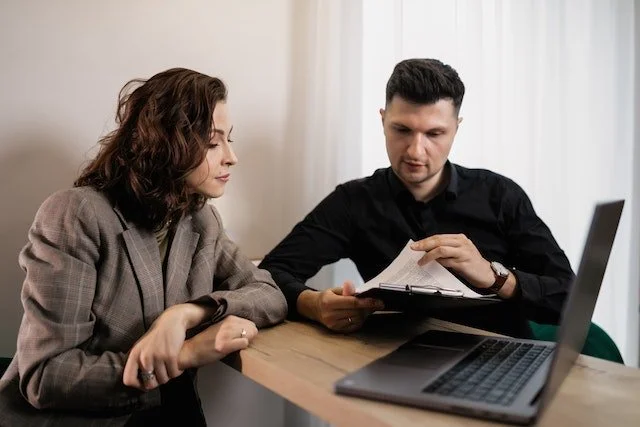
Striking this balance keeps both sides satisfied and ensures a smoother transaction.
Should You Wait for the Lease to End? Pros and Cons
Deciding whether to sell now or wait for the lease to end can feel tricky, but it really depends on your situation.
If your resident’s lease is about to expire, waiting could simplify the sale since most buyers prefer vacant properties.
However, selling with the lease in place can work to your advantage, especially if you’re targeting investors who appreciate having a paying resident ready to go.
On the flip side, waiting might mean delaying your plans, and there’s always the chance the property market could change.
Think about your timeline and goals—do you need to sell quickly, or can you wait for a potentially smoother process?
Showings and Inspections: How to Coordinate with Residents
Selling a property means showings and inspections, which can feel invasive for your residents.
To make the process smoother, communication is key. Let your residents know what to expect—how often the property might be shown and how much notice they’ll get beforehand.
Most landlord-tenant laws require at least 24 hours notice for showings, but giving even more notice when possible is a good way to build goodwill.
Work around their schedule as much as you can, and keep the number of showings reasonable.
A little understanding on your part can go a long way in keeping the relationship positive during this transition.

Selling to an Investor vs. a Primary Homebuyer
The type of buyer you target can make a big difference in how the sale unfolds. If you sell to an investor, they’ll likely view the resident as an asset since they’re buying the property as a rental.
This means fewer disruptions for your resident and possibly a quicker sale.
On the other hand, if you’re selling to someone who wants the property as their personal home, they’ll probably want it vacant.
This could require negotiating with your resident for an early move-out or waiting until their lease ends.
Both options have their pros and cons, so think about what aligns best with your goals.
Final Steps: Ensuring a Smooth Transition for All Parties
Once you’ve found a buyer, it’s time to wrap things up in a way that keeps everyone happy. First, make sure your resident knows exactly what’s happening.
If the new buyer is taking over as landlord, introduce them to your resident and ensure a proper handover of lease documents, security deposits, and contact information.
If your resident is moving out, confirm the timeline and provide any necessary support, like finalizing move-out inspections or returning the security deposit promptly.
A smooth transition shows professionalism and helps maintain goodwill, whether you’re moving on to another rental or leaving the landlord world entirely.
Your Next Move Starts Here
Selling a tenant-occupied property doesn’t have to be overwhelming. With the right guidance, it can be a seamless process.
The Sutton Group specializes in helping landlords navigate these transitions, from understanding legal obligations to coordinating with residents and buyers.
Whether you’re selling to an investor or need advice on handling lease terms, their expertise ensures you make the best decision for your situation.
Reach out today to explore your options and set the stage for a smooth sale!
Should You Offer a Deal to Find New Tenants for Your Grand Prairie Rental Property?
Are you a landlord looking to fill vacancies quickly and attract high-quality tenants? In today’s competitive rental market, many landlords are turning to promotions like rent discounts, move-in specials, and waived fees as a way to stand out from the crowd. The idea is simple: tenants are always looking to save money, and by offering […]
Are you a landlord looking to fill vacancies quickly and attract high-quality tenants? In today’s competitive rental market, many landlords are turning to promotions like rent discounts, move-in specials, and waived fees as a way to stand out from the crowd.
The idea is simple: tenants are always looking to save money, and by offering an enticing deal, landlords hope to boost occupancy rates and secure reliable renters.
But is offering these deals really the best long-term strategy? While they may provide quick results, the impact of these incentives isn’t always as straightforward as it seems.
What works for one property or market might not work for another, and there could be unintended consequences down the line.
In this article, the experts at Sutton Property Management will explore whether offering deals is truly a smart move, weighing the benefits, risks, and alternatives.
Let’s dive in!
Benefits
Offering a deal can help you attract tenants faster. However, you run the risk of losing money.
To determine whether to use this strategy, it’s important that you carefully compare the pros and cons. Here are some benefits:
Increased Visibility and Appeal
Offering a deal can make your property stand out, especially if there are several similar properties in the area.
Deals are particularly effective in markets with high competition, where tenants are more likely to be drawn to properties that offer additional value.
Before selling an occupied property, it’s essential to understand your rights as a landlord. The lease agreement you signed with your resident plays a big role here.
If it’s a fixed-term lease, your resident has the legal right to remain in the property until the lease ends—regardless of the sale.
However, if it’s a month-to-month agreement, you might have more flexibility to provide notice and end the tenancy before selling.
Being familiar with your state or local landlord-tenant laws is crucial, as these regulations often dictate notice periods, lease protections, and your ability to sell with or without the resident’s cooperation.
Faster Occupancy
The primary advantage of offering deals is that they can help fill vacancies quickly.
Tenants, particularly those who are budget-conscious, are more likely to act on an offer that promises financial relief or perks like free utilities, parking, or even furniture.
Improved Cash Flow in the Short Term
If you are struggling with long vacancy periods, offering a deal can provide quick relief.
Having a tenant in place, even with a deal, ensures consistent cash flow, which can be especially important if you’re covering mortgage payments or other expenses associated with the property.
Attracting High-Quality Tenants
A deal, when marketed correctly, can attract tenants who may not have considered your property otherwise.
It can help you appeal to a wider pool of renters, including tenants who are financially responsible but looking for ways to stretch their budgets.
Drawbacks
Here are the drawbacks of offering deals to attract tenants:
Lower Long-Term Profitability
While offering a deal may seem like a quick way to fill your vacancies, it can come at the cost of long-term profitability.
Rent discounts or waived fees may reduce your overall rental income for the first few months or even the duration of the lease, significantly impacting your financial returns.
Tenant Expectations
Once you offer a deal, tenants may come to expect similar deals or perks in the future.
This can create a challenging dynamic, especially if you need to increase rent or remove any perks once the lease renews.
Potential for Attracting Unsuitable Tenants
While a deal might generate a lot of interest, it doesn’t necessarily mean you’re attracting tenants who will treat your property with respect or stay long-term.

This can lead to property damage, unpaid rent, and other additional expenses in the long run.
Devaluation of the Property
Regularly offering deals, especially in an attempt to keep your property rented, can contribute to a perception that your property is less desirable.
Over time, this can reduce your property’s reputation and market value, making it harder to increase rent or compete with other similar properties in your area.
Top Deals You Can Offer to Attract More Tenants to Your Grand Prairie Rental
Offering deals to new tenants can be incredibly beneficial, helping you fill your vacancies more quickly.
However, it can also have some drawbacks. If you think that the benefits outweigh the risks, here are six you can offer to make your property more attractive to prospective renters:
Rent Discounts: Offering a temporary rent reduction, such as 10% off the first six months, can make your property stand out and provide tenants with immediate financial relief.
Waived Application Fees: Waiving application fees is a small but attractive deal that removes one of the barriers that stops tenants from renting a property.
Free Month of Rent: A popular deal is to offer one month of free rent, often at the beginning of the lease. This can be particularly enticing for tenants looking to reduce upfront costs.
Free Parking or Storage: If your property has parking or storage space, offering it for free or including it in the rent can make your property more appealing to tenants with cars or extra storage needs.

Included Utilities: Offering to pay for utilities, such as water, electricity, or internet, can be a significant incentive, particularly in areas where utility costs are high or unpredictable.
Move-In Gifts or Perks: Small perks, like a gift card for local stores, a cleaning service, or free lawn care, can add value to your offer without significantly impacting your bottom line.
Flexible Lease Terms: Offering flexible lease terms can make your property more attractive to a wider pool of tenants, ensuring the long-term profitability of your investment.
Waived Pet Fees: Pet-friendly rental properties are high in demand. You can make your property stand out from the rest by offering amenities specifically for owners with pets or by waiving the first month of pet fees!
Is Offering Deals the Only Way to Get Your Property Rented Quickly?
Offering deals can help speed up the leasing process, but it’s not a guaranteed fix. The effectiveness depends on factors like property condition, local market trends, tenant demand, and the type of offer you make.
In a high-demand area with little competition, tenants may not need an incentive to sign a lease. However, in an oversaturated market or during slower seasons, like winter, promotions can attract attention and encourage quicker decisions.
That said, deals aren’t the only way to rent your property quickly. There are other strategies to attract tenants without relying solely on discounts or special offers.
Some effective approaches include effectively marketing your property, using targeted advertising to reach your ideal tenant demographic, using tenant referrals, and building your online presence through social media.
Bottom Line
If you’re struggling to fill vacancies in your Grand Prairie rental property, offering a deal could give you the competitive edge you need.
Incentives like waived fees or free utilities can make your property more appealing, providing tenants with the extra push to sign a lease.
However, there are risks to consider. Deals that seem too good to be true may raise unrealistic expectations or attract tenants who aren’t the right fit.
It’s crucial to carefully weigh the short-term benefits against the long-term impact before offering deals, ensuring they align with your overall rental strategy.
If you want to attract tenants for your Grand Prairie rental without offering deals, contact Sutton Property Management! We’ll make sure that your property gets the maximum exposure to help you find high-quality tenants quickly.
What Landlords Should Know About Move-out Letters
Have you ever found yourself scrambling at the end of a lease, trying to coordinate move-out details with tenants while preparing your property for the next renter? The end of a lease can be stressful for both tenants and landlords alike. Tenants are busy packing, cleaning, and scheduling movers, while landlords must handle inspections, maintenance, […]
Have you ever found yourself scrambling at the end of a lease, trying to coordinate move-out details with tenants while preparing your property for the next renter? The end of a lease can be stressful for both tenants and landlords alike.
Tenants are busy packing, cleaning, and scheduling movers, while landlords must handle inspections, maintenance, and repairs to ensure the property is ready for the next occupant.
One of the simplest yet most effective ways to streamline this process is by writing a clear and professional ‘notice to vacate’ letter.
Even if tenants are aware that their lease is ending, a formal reminder ensures they vacate on time.
In this article, the experts at Sutton Group Grande Prairie Property Management will walk you through everything you need to know about writing an effective move-out letter. Let’s dive in!
What Is a Move-Out Letter?
A move-out letter is typically sent by a landlord or property manager to inform a tenant that their move-out date is nearing.
This letter serves as a reminder or checklist for the moving-out process. Most landlords use these letters to clearly outline the move-out expectations they have for tenants, which can help reduce the risk of disputes later on.
The end goal of a move-out letter is to ensure a smooth transition and clarify the tenant’s responsibilities before vacating the property.
Another tool that can be used to inform tenants that their lease is coming to an end and they must leave the property soon is a ‘notice to vacate’ letter.

This is a formal letter used to inform tenants when they are expected to leave the property, whether because their lease is coming to an end or because they’re being evicted.
This type of letter can also be sent by tenants who want to end their lease agreement and want to inform their landlord of the termination.
Move-out letters are typically used when a tenant’s lease is coming up and both parties have agreed it won’t be renewed.
Meanwhile, notice to vacate letters are used in the following cases:
Non-renewal Of Lease: A notice to vacate letter is a formal way to let tenants know you won’t be renewing their lease. Such notice should be given anywhere from 7 to 30 days before the expected move-out date, depending on the length of the tenancy.
Broken Lease Terms: If a tenant violates the terms of the lease, you could rightfully terminate them. You can do so by issuing a notice to vacate that includes the reasons for early termination. If the tenant decides not to honor your request, you will need to begin the eviction process.
No Cause Termination: If your property is in a no-cause area, you can rightfully evict tenants without having to provide the cause for termination. However, you’ll still have to provide tenants with a ‘notice to vacate’ letter within an appropriate timeframe to move out.
No Longer Rentable: You can use a ‘notice to vacate’ letter to inform tenants that you’re selling, remodeling, moving into, or simply removing your property from the rental market. However, it’s important to investigate your local legislation, as some states have specific rules and guidelines about this.
How Much Notice Is Needed for a Move-Out Letter
Landlords are not legally required to send out move-out letters. However, this simple act is greatly appreciated by tenants.
Choosing an appropriate time for sending a move-out letter is crucial to ensure a smooth transition between tenants and to give both parties enough time to prepare for the end of the lease.
Sending the move-out letter too early could lead to confusion while sending it too late might leave tenants feeling rushed or unprepared.
Typically, landlords or property managers send a move-out letter 30 to 60 days before the tenant’s lease ends.
The exact timing often depends on the lease agreement and the time needed to schedule inspections, coordinate repairs, and finalize the return of the security deposit.
A 60-day notice is ideal for leases with longer durations, such as one-year agreements, as it allows tenants ample time to address the requirements outlined in the letter.
For shorter-term leases or month-to-month agreements, a 30-day notice may suffice, aligning with common legal notice periods for lease termination.
How to Write an Effective Move-Out Letter
An effective move-out letter ensures clear communication between landlords and tenants, reducing confusion and fostering a smooth transition.

It can also help you maintain a positive landlord-tenant relationship. Below are the essential components of a well-written move-out letter:
Include Basic Information
Your move-out letter should be clear and concise to avoid confusion. Start with outlining key details, such as the following:
The property address.
The lease term.
The landlord’s name and contact details.
The tenant’s name(s) and contact details.
This section establishes the context and ensures the document meets legal standards.
Explain the Termination Information
To avoid misunderstandings, you must clearly outline why the lease is ending. Whether the lease is naturally expiring, you are selling the property, or the tenant has violated lease terms, provide this information explicitly.
Ensure that any reasons comply with local laws to avoid potential disputes.
Outline Requirements and Expectations
Specify what the tenant needs to do before moving out. This can include:
Cleaning requirements, such as deep cleaning carpets, appliances, or general tidiness.
Repair expectations, such as fixing minor damage or covering costs for damage beyond normal wear and tear.
Guidelines for disposing of personal belongings or trash.
By outlining these expectations, you can avoid misunderstandings and make the leasing process more efficient.
Detail the Move-Out Process
Specify the move-out date and describe the steps tenants must follow. Make sure to include this key information:
The move-out inspection schedule.
Instructions for returning keys.
Information about the security deposit process, including deductions or timelines for refunds.
Offer Support and Answer Questions
Conclude by providing contact details for questions or concerns. Maintaining open communication ensures a smoother transition and fosters goodwill.
Bottom Line
A well-crafted move-out letter is essential for ensuring a smooth transition at the end of a tenancy.
It serves as a clear guide for tenants, outlining key information such as move-out dates, expectations, and procedures.
By providing detailed instructions on cleaning, repairs, inspections, and the return of security deposits, you can prevent misunderstandings and reduce disputes.
Additionally, a well-written move-out letter also fosters transparency and professionalism, setting the tone for respectful communication between both parties.
If you need help writing a move-out letter for your Grande Prairie rental, contact the Sutton Group!
Best Ways to Communicate with Tenants: Email, Text, or Call?
Having excellent tenant-landlord communication is essential for both parties. When it comes time to discuss rent payments, repairs, or other issues relating to the property, you want to make sure your tenants feel heard and respected. But what’s the best way to communicate? Should you rely on email? Text message? Make phone calls? As a […]
Having excellent tenant-landlord communication is essential for both parties. When it comes time to discuss rent payments, repairs, or other issues relating to the property, you want to make sure your tenants feel heard and respected.
But what’s the best way to communicate? Should you rely on email? Text message? Make phone calls? As a landlord, you may feel confused about each method’s purpose — but don’t worry!
In this article, we’ll explore the benefits of each communication method and provide insights to help you determine the most suitable one for your situation.
Email Communication
Email allows you to communicate quickly, clearly, and efficiently while providing a formality level. In addition, it offers the following benefits:
Ability to send detailed messages: you can include long explanations or instructions in an email. This ensures tenants understand the message you are trying to convey and eliminates confusion.
Can be easily referenced and tracked: if there is a dispute between you and the tenant, emails provide a written record of what was said. It makes the process of resolving disputes much more manageable, and it creates an easy point of reference for both parties.
Provides a convenient way to send documents: email lets you attach documents to your messages. If you need to pass along important documents or require documents quickly from your tenants, consider using email as a communication method.

Tips for Effective Email Communication
Always address the tenant by name. Greeting them helps create a connection between sender and receiver.
Make sure to include all your information, such as name, phone number, and other relevant contact information. This way, tenants can contact you if they have further questions or need assistance.
Be professional and courteous. Respectful communication ensures messages are taken seriously and correctly understood, and all parties feel comfortable. This helps foster positive landlord-tenant relationships.
Write a clear subject line and make sure the subject line summarizes your email’s content so tenants know what action needs to be taken.
Proofread before sending! Always double check your emails for spelling and grammar mistakes before sending to avoid any misunderstandings.
Text Messages
Texting is a great option to communicate with tenants, especially if you need to get in touch quickly or exchange short messages. Text messages have the following advantages:
Quick response: tenants can respond quickly to text messages, so it’s an efficient way to get in touch.
Easy to access: most people have their phones on them at all times, so texts are always accessible.
Can be sent to multiple tenants simultaneously: with a few clicks, you can send the same text message to a group of tenants.

Tips for Effective Texting
Always use professional language. While texts are more informal, the key to being a great landlord is to remain respectful and professional.
Keep messages clear and concise. Make sure your message is easily understood using simple language and avoiding jargon or slang.
Be mindful of timeliness. If you don’t get a response right away, try not to send too many texts quickly, as this can be viewed as intrusive or annoying.
Phone calls
Phone calls are an ideal way to communicate with tenants, especially if you need to discuss complicated topics or make crucial decisions. Phone calls offer the following advantages:
Ability to have a real time conversation: with phone calls, you can exchange ideas and ask questions in real time. This ensures all parties understand the conversation and provides problem solving opportunities.
Opportunity to gauge tenant’s reaction: with phone calls, you can better understand the tenant’s feelings and reaction to what you are saying. This helps you better understand how tenants feel about what is being said and make sure they understand correctly.
Personal touch: talking to someone over the phone allows for a more personal connection, which helps build strong relationships with tenants.

Tips for Effective Phone Calls
Always introduce yourself. Start the conversation by explaining why you are calling.
Speak slowly and clearly. Make sure to speak comfortably so both parties have time to understand what is being said.
To be a communicative landlord, be patient and allow the tenant to ask questions and address any points of clarification before moving on to the next topic.
Summarize at the end. Always recap what was discussed during the call so everyone knows what action needs to be taken.
Follow up with an email. After the call, follow up with a written summary of the conversation. This will confirm that tenants have a record of what was discussed and any action items.
Choosing the Best Method
When communicating with tenants, selecting the most appropriate method for the situation is essential. Here are a few factors to consider when deciding which method will be most effective:
Consider the urgency: the message’s urgency decides whether it is best to use email, text, or phone. If you need an instant reply, texting or phone calls are best. If the topic isn’t urgent, emails can work just as well.
Think about the recipient’s preference: some people prefer emails, while others prefer phone calls. Consider the tenant’s preferences when choosing a communication method.
Consider the complexity: complex topics may require more detailed communication than simple ones. Phone calls and emails are best for complex topics, allowing for a more in depth discussion.

By considering these factors, you can make sure that you choose the most effective way to communicate with tenants. This will help foster healthy relationships and keep everyone on the same page.
Bottom Line
Email, text messaging, and phone calls are all great ways to keep in touch. But it’s essential to consider the urgency, recipient’s preference, and complexity of the topic when selecting the best method of communication. It’s best to use a combination of emails, texts, and phone calls for maximum effectiveness.
Sutton Property Management can assist you in communicating effectively with tenants and maintaining positive relationships. A comprehensive property management company makes managing your properties simpler and easier. Contact us today to get started!
How to Prepare Your Rental Property for Winter
Key Takeaways: Winterizing Your Rental Property Protects Its Value and Ensures Tenant Comfort Proper winterization helps reduce energy costs, prevents property damage (such as frozen pipes or leaks), and keeps tenants safe and satisfied, ultimately increasing the property’s value and tenant retention. Essential Winterization Steps to Prevent Costly Repairs Key tasks include checking the heating […]
Key Takeaways:
Winterizing Your Rental Property Protects Its Value and Ensures Tenant Comfort
Proper winterization helps reduce energy costs, prevents property damage (such as frozen pipes or leaks), and keeps tenants safe and satisfied, ultimately increasing the property’s value and tenant retention.Essential Winterization Steps to Prevent Costly Repairs
Key tasks include checking the heating system, sealing windows and doors, insulating pipes, cleaning gutters, inspecting the roof, and preparing for snow removal. Informing tenants about winter maintenance responsibilities and having an emergency plan in place are also crucial for a smooth winter season.
As the winter months approach, it’s essential to prepare your rental property for the colder weather. As a landlord, it’s your responsibility to make sure the property is in good condition to provide a safe and comfortable living environment for your tenants. Also, winterizing your rental property can help retain its value and prevent costly damages.
What Are the Benefits of Winterizing Your Rental Property?
Landlords should winterize their rental properties for several reasons, including the following:
Energy efficiency: Winterization helps reduce energy bills by preventing heat loss from the property, making sure the heating system works efficiently and reducing the need for repairs.
Tenant satisfaction: Proper winterization means that your tenants are comfortable, warm, and safe during the cold winter months. This provides a better renting experience for tenants and helps you retain your renters for the long term.
Increased property value: A rental property that is properly winterized is more valuable and many renters would be more than willing to pay extra to stay somewhere safe and warm.
Preventing property damage: Winterizing prevents damage to the property, such as frozen pipes or leaks, which can be costly to repair.
Compliance with local regulations: Some local regulations require rental properties to be properly winterized to prevent hazards and ensure safety for tenants. Also, proper winterization can help safeguard your property against damages.
How to Winterize Your Rental Property
Winterizing rental properties is a responsible and necessary step for the safety and comfort of tenants, as well as for protecting your investment asset.
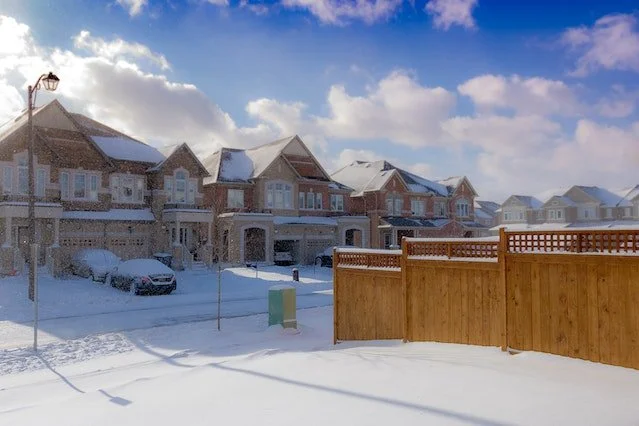
Here are some tips to help you prepare your rental property for winter.
Check the Heating System
The heating system is crucial for keeping the rental property warm and comfortable during the winter. Check that the heating system is working correctly before the cold weather sets in.
It’s recommended to hire a professional heating contractor to inspect and service the heating system. Replace the filters when necessary so that the heating system operates efficiently.
Clean Gutters and Downspouts
Clogged gutters and downspouts can lead to water damage from ice and snow. Clean them out before the winter season for proper drainage. You may hire a professional gutter cleaner to clean out all leaves and debris, preventing the gutters from clogging during winter.
Seal the Windows and Doors
Cold drafts can seep through gaps or cracks in the windows and doors where heat can easily escape. This can make the rental property cold and uncomfortable.
Inspect the windows and doors for any gaps or cracks and seal them with weatherstripping or caulking. If the windows are old and inefficient, consider installing storm windows to keep the rental property insulated.
Install Weatherstripping
Weatherstripping around doors and windows can help prevent drafts and reduce heating bills. Consider installing or replacing weatherstripping where necessary to ensure that your doors and windows are protected.

Winterize the Plumbing
Freezing temperatures can cause pipes to burst, leading to costly water damage to your rental property. To prevent this, remember to drain and disconnect all outdoor hoses, and turn off the outdoor water supply. Insulate pipes in unheated areas such as the attic, crawlspace, and garage to prevent them from freezing.
Insulate the Attic and Basement
The attic and basement are notorious for heat loss, making the rental property cold and causing the heating system to work harder to maintain a comfortable temperature. Check that the attic and basement are adequately insulated to keep the rental property warm and energy-efficient throughout the winter months.
Inspect the Roof and Chimney
Damage to the roof and chimney can lead to leaks, which can cause water damage and eventually, mold growth. Have them inspected and repaired if necessary before the winter season begins.
You can climb up into the attic and check for any signs of water stains on the wood. You may also check for cracks by looking for signs of daylight poking in. You also have the option to hire a roofing professional for a more precise checkup.
Replace Air Filters
Dirty air filters can reduce the heating efficiency of the system and increase heating bills. Replace the air filters and set reminders to change them regularly. It’s best to invest in thicker filters that are made of higher-quality materials because they tend to last longer. High-quality filters also provide better protection and filtration for your HVAC system.

Prepare for Snow and Ice Removal
Snow and ice can create hazardous conditions around the rental property, so it’s necessary to have a snow removal plan in place. Consider purchasing a snow blower or arrange for a snow removal service to ensure that the walkways, driveways, and parking areas are free from snow and ice.
Inform Tenants about Winter Maintenance
Let your tenants know about any winter maintenance and expectations, such as shovelling walkways and driveways, and keeping heat at a minimum temperature to prevent freezing pipes.
Have a Winter Emergency Plan
Prepare an emergency plan for extreme winter weather events, such as power outages or snowstorms. Share the plan with your tenants and have necessary supplies and equipment on hand and easily accessible.
Conclusion
Preparing your rental property for winter is essential for the safety and comfort of your tenants. By following these tips, you can ensure that your rental property is ready for the cold weather, and your tenants can enjoy a warm and comfortable living space throughout the winter months.
If you have any questions or need help preparing your rental property for winter, consider working with a professional property management company to guide you through this process. Contact Sutton Group today to learn more!
6 Best Ways of Retaining a Tenant
Retaining a tenant can be challenging for landlords, especially in current rental markets. Fortunately, there are several strategies landlords can use to maximize their ROI while providing tenants with a great living experience that will inspire them to renew their lease. In this article, we’ll explore the six best ways to retain a tenant, including […]
Retaining a tenant can be challenging for landlords, especially in current rental markets. Fortunately, there are several strategies landlords can use to maximize their ROI while providing tenants with a great living experience that will inspire them to renew their lease.
In this article, we’ll explore the six best ways to retain a tenant, including staying on top of maintenance, offering incentives, and being flexible with lease terms. With these strategies in place, you can enjoy the peace of mind that comes with having reliable tenants for the long term.
Proper Tenant Screening
Thoroughly screening tenants is a great way to ensure that your property has a resident who is a perfect fit!
After a prospective tenant submits a rental application, you can conduct background checks, verify employment and income, and evaluate credit reports to determine whether a tenant will meet your needs. This will also ensure your tenant is reliable and trustworthy.
You can also contact references, such as current or former landlords, employers, and personal contacts. This allows you to get a better understanding of the tenant and determine if they are likely to take care of your property.
Offering Competitive and Flexible Lease Terms
Creating mutually beneficial and fair lease agreements is essential for successful long-term landlord-tenant relationships. Offering competitive and flexible lease terms can enable you to get the most out of the agreement.
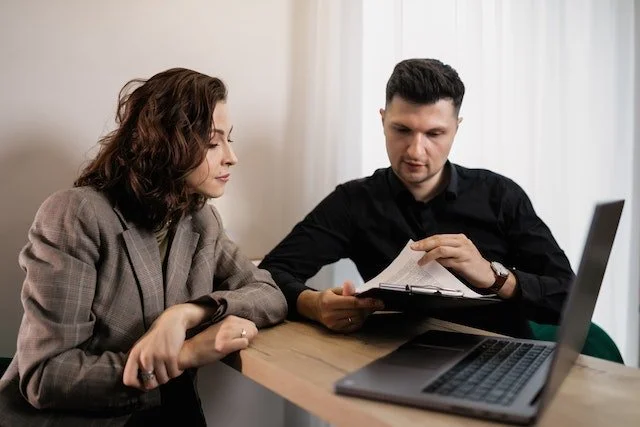
Flexible lease terms provide tenants with the freedom to choose a lease term that works best for them. For example, many renters appreciate flexible landlords who rent to pet owners. At the same time, you’ll receive a steady income and consistent occupancy rates.
When negotiating lease options with potential tenants, consider offering month-to-month, six-month, or annual leases. This way, tenants can choose a term that best suits their needs while still having some flexibility. Additionally, being open to altering or amending existing lease agreements when necessary will improve your reputation among your tenants.
Provide Incentives
Incentivizing tenants to stay is a great way to retain long-term occupants. Offering exclusive benefits such as free parking and gym memberships will make renters more likely to lease your rental property. You can also offer discounts at local businesses to provide a tangible reward that benefits you, your tenants, and local business owners.
Flexible payment plans are a popular incentive among renters. These plans allow tenants to pay rent on the dates that suit them best. For instance, a renter may want to pay rent on a bi-weekly basis instead of a monthly one. Allowing tenants to pay rent online removes the hassle of mailing checks or coming to your office in person to pay rent.

Additionally, providing a rewards program for making payments on time could incentivize tenants to renew their leases. For example, you could offer a reward for every consecutive month of on-time payments. These rewards could be anything from a gift card to a discount on rent if the tenant has never made a late payment.
Supply Great Amenities
Creating a high-quality rental experience for tenants is easy when you provide top-tier amenities. Access to gyms and shared workspaces are particularly popular among renters. Also, tenants often look for safety features like external cameras and upgraded locks.
If you own rentals with common areas that multiple renters access, they should always be kept clean. You can offer additional services in common areas, such as laundry facilities, parking spaces or even WiFi.
Additionally, it’s crucial to record all complaints and feedback from your tenants and act promptly to resolve any issues. Creating a welcoming space for your tenants will make them want to renew their lease. You can achieve this by updating the amenities you offer to meet tenants’ needs.
Offer Prompt Maintenance Services
Property owners and landlords should have a 24-hour emergency maintenance line in place, as this will increase tenant retention. Having an easy way to contact you will allow tenants to report urgent maintenance issues.

You should also try to resolve all maintenance issues promptly. Delaying repairs can cause tenants to become frustrated and eventually move out. Additionally, ensure you have a team of experienced and reliable professionals to handle maintenance and repair requests.
Build a Trusting Relationship
Building trust with your tenants is essential to your success as a landlord. You should strive to create a relationship built on mutual respect. It’s important to be available when your tenants need you. Ensure all your contact information is included in the lease agreement.
You should transparently explain lease terms when you acquire a new tenant. This will prevent misunderstandings and ensure your renters know how much notice they’ll receive prior to property inspections.
Regularly check in with your tenants and actively listen to their concerns or needs. You can schedule a quarterly visit to ensure there are no maintenance issues and ask your tenants how you can improve their rental experience. This will help you provide better services and build a strong communicative relationship with your renters.
Summing Up
Following the above tips will make retaining tenants easier than ever! However, minimizing tenant turnover can be stressful and take up a lot of your time. Hiring a property management company can save you time and money in the long term!
Effective property managers improve tenant retention by providing top-notch rental experiences. Property managers will maintain your property, respond to maintenance requests promptly, and offer additional amenities and services. These services help foster a better landlord-tenant relationship and increase the chances of tenants staying longer.
For expert property management, contact the experts at Sutton Property Management today!
Why Pet Screening is Always a Good Idea
Recent market trends show that there has been a significant increase in tenants searching for pet-friendly rentals. Pet-friendly properties attract more renters so that you can choose from a wider pool of qualified tenants! However, pets can damage your property and cause noise complaints. You can prevent these issues by implementing a thorough pet-screening process […]

Recent market trends show that there has been a significant increase in tenants searching for pet-friendly rentals. Pet-friendly properties attract more renters so that you can choose from a wider pool of qualified tenants!
However, pets can damage your property and cause noise complaints. You can prevent these issues by implementing a thorough pet-screening process that will help you identify responsible pet owners.
Why You Should Rent to Tenants with Pets
Securing Long-Term Tenants
Renters with pets are likely to renew their leases if they’re satisfied with their experience renting from you. Moving often can be challenging for both tenants and their pets. Responsible pet owners work hard to reduce the stress their animals experience, so they usually search for rentals where they can settle down for the long term.
In addition, allowing pets into your rental can also enable you to set your rent rate slightly above the market average, thereby improving your ROI. However, it’s important not to raise the rent rates too much as this may deter renters from submitting a tenant application.
Responsible Pet Owners Make Responsible Tenants
Pet owners who are responsible when taking care of their pets are also usually reliable when it comes to property maintenance and communicating issues to landlords.

Whether they own a goldfish, a bird, a cat, or a dog, a dedicated pet owner will ensure that the space they call home is well taken care of.
What is Pet Screening
Pet screening is similar to tenant screening. In essence, pet screening is performing a background check on a prospective renter’s pet. Screening pets provides landlords with important information about the animal’s personality, behaviour, and well-being.
Meeting with the pet and their owner prior to signing a lease will also give you a sense of whether the prospective tenant is a good fit for your rental property. We also recommend having the applicant complete a questionnaire about their pet before meeting with them.
We suggest including the below questions on your pet screening questionnaire.
What kind of animal is the pet?
What is your pet’s breed (if known)?
What is the animal’s weight?
How old is your pet?
Has the pet ever hurt someone or someone else?
Is the pet house-trained?
How long have you owned your pet?
In-Person Meeting
Having an in-person meeting with a potential tenant and their pet will help ensure they filled out their questionnaire accurately. However, it’s important to remember that many pets are shy or anxious when meeting strangers for the first time.
To avoid any issues, be careful when meeting an animal for the first time and never touch a pet without their owner’s permission.
Pet Clauses
Once you decide to allow pets onto your rental property, be sure to add a pet clause to your lease agreement. We recommend including the following information in the lease’s pet clause.

Information regarding pet fees and deposits
Policies on how many pets can be kept in the unit
A detailed summary of penalties for pet-related property damage
Navigating Fees and Deposits
Many landlords require their tenants to pay pet fees or deposits. Below you can find information on the most common ways landlords protect themselves financially when renting to pet owners.
One-Time Fee
These fees are non-refundable and paid at the beginning of the lease.
Monthly Fees
Some landlords charge tenants with pets a monthly payment. Before deciding to charge a monthly fee, consider the amount your tenant will pay over the course of the lease to ensure the cost won’t discourage tenants from renting your property.
Pet Deposit
Pet deposits are collected in addition to a security deposit. Pet deposits are returned at the end of a renter’s tenancy, provided there are no pet-related property damages.
Service Animals
It’s important to remember that service animals aren’t legally considered pets. Many people with disabilities need service animals for health and safety-related reasons.

Be sure to research landlord-tenant laws in your area to ensure your pet policies don’t violate landlord-tenant laws or the federal fair housing act.
In Conclusion
Pet screening is necessary but can take up a lot of time and energy. If you want to increase your ROI while keeping your stress low, consider hiring an experienced property management company!
Industry experts will be able to screen pets effectively, create comprehensive pet policies, set pet fee rates, and handle any issues that may arise when your tenant owns a pet.
If you want to minimize pet-related risks while taking advantage of a larger pool of prospective tenants, Sutton Property Management can help! Our team of property managers will provide you with top-tier services and ensure the needs of your tenants and their pets are met!
For more information, reach out to us today!
Rental Property Marketing Mistakes
Keeping a rental property occupied with tenants is a must if you want it to continue generating income. An unoccupied rental property is more of a liability than an asset—it doesn’t generate income, but you still need to pay for the costs that come with owning it. To get your property occupied soon after the […]
Keeping a rental property occupied with tenants is a must if you want it to continue generating income. An unoccupied rental property is more of a liability than an asset—it doesn’t generate income, but you still need to pay for the costs that come with owning it. To get your property occupied soon after the previous lease term ends, you need to have an effective marketing strategy in place.
Some landlords think that all they need to do is snap a few pictures, get it listed on different rental listing platforms, and wait for prospective tenants to call. However, the truth is that marketing a rental property effectively is more complicated than that.
If you want to be a successful rental property owner, you need to ensure that your marketing strategies are in line with your target market. You also need to study and analyze the market first to ensure that you’re pricing the rental property correctly. Furthermore, you have to ensure that you stage your rental property properly in order to make it look appealing to a wide range of tenants.
A lot of rental property owners make mistakes when marketing their rental properties. Using the wrong methods can result in ineffective marketing, and you risk not getting your property the exposure that it deserves. Plus, ineffective marketing makes it more difficult to find the right tenants and get your property filled in as quickly as possible.

Here are the common mistakes you need to avoid when marketing a rental property:
1. Failing to Plan Strategically
It’s essential to strategize thoroughly to get the marketing results you want. To start, it’s important to plan how to position your rental property. Marketing is all about attracting tenants, so think of what makes your property unique and what your target tenant demographic desires. Highlight those selling points in your rental listings to make the rental more attractive to renters.
2. Targeting the Wrong Audience
Dealing with vacancies is one thing, but getting your property occupied by the wrong tenant is one key problem that you don’t want to deal with. The success of rental property marketing will greatly depend on your ability to identify the right audience and to target them specifically, using the right marketing strategies.
Knowing who your target tenant base it allows you to market on platforms they engage with most. It also helps you provide the amenities they desire, thus making your unit stand out from the competition.
3. Failing to Study and Analyze the Market
One of the most common mistakes many landlords make is their failure to study the market. You have to know what your target market needs, and what will appeal to them. Spend time doing your research to identify the right people who would be interested in your property.

What’s more, analyzing the market will help you understand your competition. Your goal here is to make sure that your property stands out among the competition to attract quality renters.
4. Using Poorly Taken Photos
Using the right pictures is vital to your success. Keep in mind that photos are the first thing that prospective tenants would look at before they decide whether or not they’re interested in the property. If you want to pique their interest, it’s crucial to use professional photos to make your rental unit look attractive and worthy of a visit.
5. Not Writing a Good Copy
Aside from the photos, your property descriptions are what interested renters would most likely look at. Using an overused copy to advertise your property will not make your rental unit stand out. When writing a copy, make sure to be creative yet accurate. Describe your property accurately, using adjectives that will entice would-be tenants.
6. Advertising to Only One Channel
If you want to increase your property’s exposure and reach a wide pool of audience, you have to use a variety of marketing channels. For instance, advertising digitally is the norm these days, so make sure to use several rental listing platforms and social media sites to advertise your vacant units.
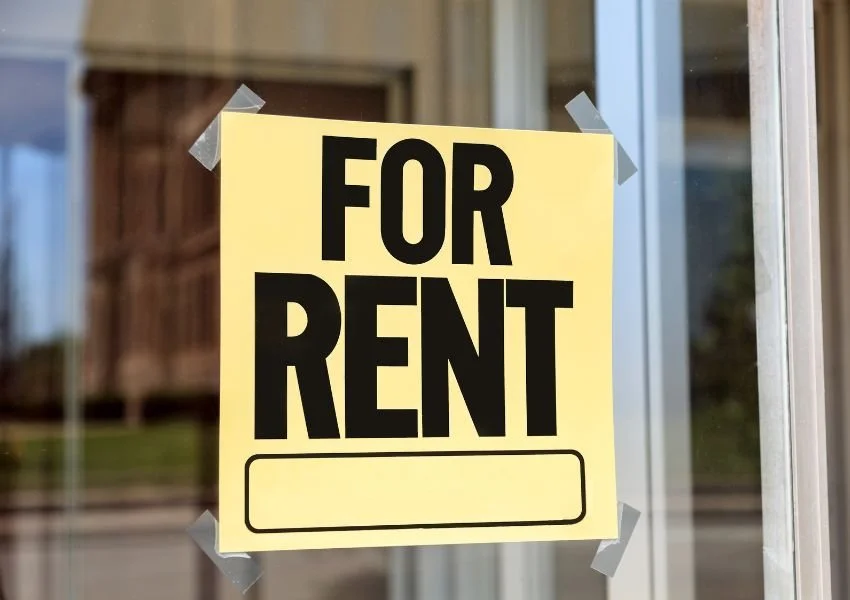
It also won’t hurt to use other advertising methods like listing in a local newspaper and posting a “for rent” sign within the general vicinity of the rental unit.
7. Forgetting to Include a Call to Action
The goal of marketing a property is to get interested tenants to call you and inquire about the property. But no matter how attractive your property is, if you fail to include a strong call to action, you will likely not get as many calls as you’d like. It’s best to include a phone number and an email address, as some people prefer one form of communication over the other.
8. Not Familiarizing Yourself with Anti-Discrimination Laws
Anti-discrimination laws prohibit landlords and other housing providers from discriminating against individuals who belong to protected classes. Before creating your advertising material, make sure to know these laws to ensure that you don’t inadvertently commit any violations.
9. Failing to Update Your Marketing Materials
After a few weeks of listing your property, if there are no good leads, it’s a sign that you need to adjust and update your marketing materials and strategy. Failing to do so will only extend your vacancy periods.
10. Doing this on Your Own
Seasoned landlords know that getting professional help is crucial if you want quick and efficient results. That is why the best way to market a rental property is to hire the services of a professional property management company who have sufficient industry experience.
Bottom Line
By avoiding these common marketing mistakes, you can increase your chance of filling vacancies quickly and with quality tenants. If you would like help marketing and/ or managing your rental properties, consider working with the experts at Sutton Property Management.
Contact us today to learn about our services!
Risks of Having a Vacant Rental Property
After the end of a tenancy term, the property will most likely be vacant before a landlord can get it rented out to another tenant again. These vacancies are a normal occurrence during a rental property’s operation. So, as a rental property owner, it’s important to fill in your vacancies as soon as possible. As […]
After the end of a tenancy term, the property will most likely be vacant before a landlord can get it rented out to another tenant again. These vacancies are a normal occurrence during a rental property’s operation.
So, as a rental property owner, it’s important to fill in your vacancies as soon as possible. As vacancies that go for too long can be detrimental to your overall profitability.
Many rental property owners dread vacancies. After all, when a rental property gets vacant, it doesn’t generate income. But landlords still need to pay for expenses associated with owning a rental property.
This is the reason why as soon as a lease term ends, you need to start your work and market the property to get it filled right away. This can avoid a variety of problems like those detailed in this article.
Negative Cash Flow
One of the biggest risks in property management is negative cash flow. As mentioned, a vacant property does not generate income, but it still has expenses you need to pay.
If you leave your property vacant for too long, you risk getting a negative cash flow, which means that you’ll be paying for expenses using money from the profits you made during the previous tenancy term.
Or worse, you could end up using money out-of-pocket to cover the cost of owning a rental property.
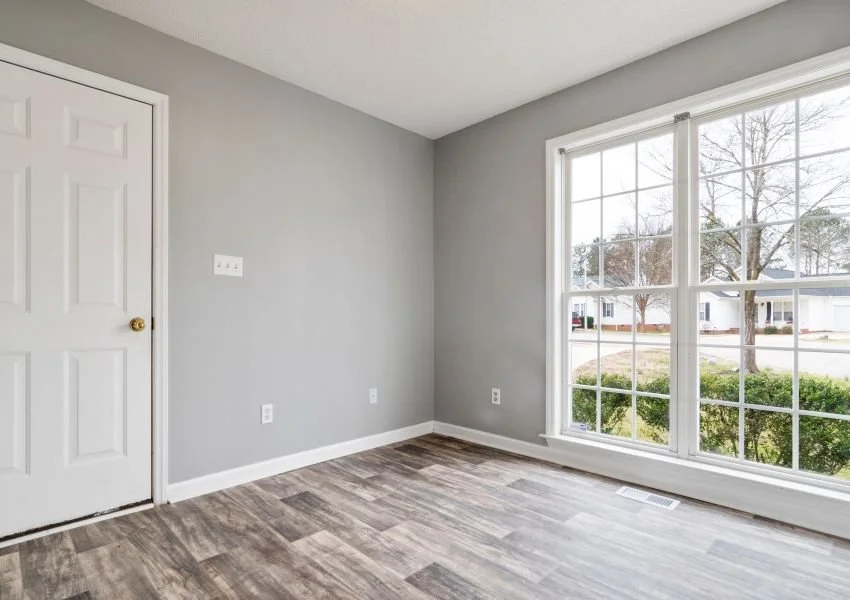
Since vacancies are quite common, you should expect to be drawing cash from your previous profits. But you should ensure you don’t end up suffering from a negative cash flow. If that happens, it means your rental business is losing.
Here are a few tips to avoid negative cash flows:
Price your rental home correctly so that you can generate more income that can help you during vacancies.
Make sure to save enough from your profits for emergencies, including vacancies.
Before the lease term ends, try to retain your tenants by asking them to sign a new lease.
If your tenants choose to move out, remind them of their move-out responsibilities and ensure that they return the property to you with the same level of cleanliness during the beginning of the lease term.
Make sure to prepare your property for listing right away.
Regular inspections and routine maintenance can help you maintain the property’s condition. This way, you won’t need to perform major repairs after the tenants move out. Keep in mind that major repairs will take longer to complete, which may only lengthen your vacancies.
Theft and Vandalism
Another risk of leaving your property vacant for too long is that it becomes prone to theft and vandalism. Even if you’re confident that your property is located in a safe neighborhood, there is still a possibility that some people will loot and vandalize the premises.
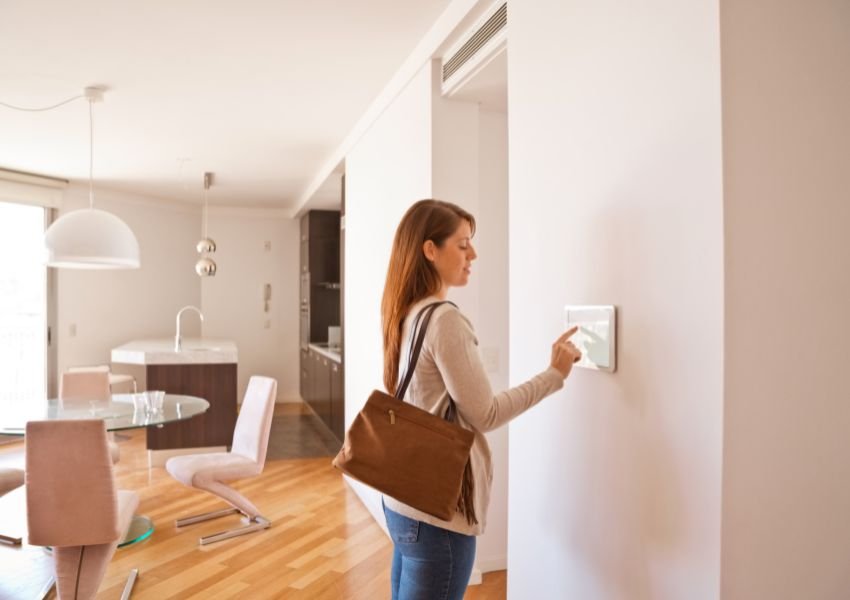
In addition, your property may also be subject to vandalism. As a property owner, you wouldn’t want this to happen to your investment asset. Tips to discourage burglars and intruders:
Invest in a security system that allows you to monitor your property remotely.
Invest in a security camera and working alarm system to discourage potential intruders.
Install motion sensors and invest in smart home technology where you can control the lighting inside the property remotely to make it look like it’s occupied.
Discourage intruders by posting a sign that the property has security cameras.
Water Damage and Mold
Water damage is one of the most expensive repairs, and as much as possible, you should try to avoid this. Water damage is typically caused by leaks from broken pipes. Usually, water damage is hard to detect. It can only be discovered once a tenant moves in, which can cause a major inconvenience.
Aside from water damage, your vacant property could also suffer mold growth if left unoccupied for too long. Mold growth is caused by moisture due to rain and water leakage. The presence of mold can be a health hazard, which will make your rental property uninhabitable by law.
Here are some tips to prevent water damage and mold growth:

After the tenant moves out, ensure that your plumbing is drained.
Inspect the property from time to time while waiting for it to be rented again.
Monitor your HVAC system and ensure that they are maintained regularly to prevent mold growth.
Squatters
Leaving a property vacant for too long can attract squatters. Squatters are easily lured if your property is obviously uninhabited. Unwanted guests on your property are dangerous as they can use your appliances and furniture, including the utilities, rent-free.
You should take squatters seriously as, after a certain period, they can earn rights, making it more challenging to get rid of them. In some cases, you would need to escalate this issue legally to regain possession of your property.
How to prevent squatters inside your premises?
Make sure that your property remains locked and inaccessible.
Install a security system so you can monitor the property remotely.
Visit the property from time to time or send someone who can.
Install an alarm system that will discourage intruders and squatters from going near.
Bottom Line
Vacant rental properties are quite common in between lease terms. To avoid the above-mentioned risks, it’s best to work with professional property managers like us at Sutton Property Management. We can handle everything from marketing and tenant screening to property maintenance.
Working with a property manager can help you get your property re-rented quickly. Also, they will take care of other potential risks, such as theft, damage, intruders, and squatters while the property sits on the market.